
目錄:
太長不看
生薑(Shouga)是日本料理裡超常見的辛香料,一般超市就買得到,通常放在洋蔥和大蒜旁邊。它的辣度其實取決於處理方式,只要切碎或打成泥,幾乎就不辣了,還能帶出獨特的香氣。另外生薑還有保健效果,對暈車、肌肉痠痛和感冒都很有幫助,天冷時來杯薑茶最舒服。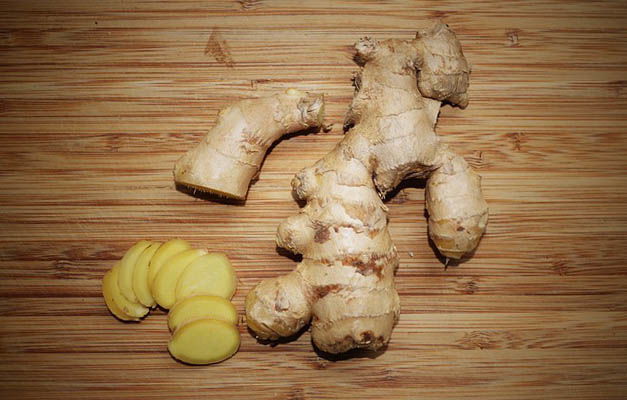
A knobby fresh ginger rhizome lies on a wooden cutting board, its tan, papery skin showing the characteristic branched fingers of the root. To the left, a small stack of thin round slices has been cut from it, revealing the pale yellow, fibrous flesh inside. The warm wood grain of the board fills the background, giving the shot a simple kitchen-prep feel. Ginger, called shouga in Japanese, is shown here both whole and sliced.
A knobby fresh ginger rhizome lies on a wooden cutting board, its tan, papery skin showing the characteristic branched fingers of the root. To the left, a small stack of thin round slices has been cut from it, revealing the pale yellow, fibrous flesh inside. The warm wood grain of the board fills the background, giving the shot a simple kitchen-prep feel. Ginger, called shouga in Japanese, is shown here both whole and sliced.
圖片中的可見文字
No clearly readable text in the image.
Shouga (中文:薑)是一種植物,可能起源於斯里蘭卡。這種根莖因其辛辣而聞名,其辣度會因成熟度和料理方法而有所不同。 所以不用擔心,只要正確料理 Shouga,基本上吃起來一點都不辣,有時候甚至吃不出來。 在辣椒傳入亞洲之前,除了胡椒外,亞洲很少有辣味調味料,因此薑根就成為主要的辛辣調味品。現在辣椒已經普及,特別是在韓國,因為辣椒素帶來的辣感幾乎沒有味道。但 Shouga 則以其獨特的風味而著稱,卻並不適合所有料理。
哪裡可以買到 Shouga?
很簡單,幾乎每家超市都能買到,通常在賣洋蔥和蒜頭的區域!據我所知,德國買到的薑和日本沒有顯著差別,只是日本人偏好大塊的薑根。如果想要直接食用,可以考慮購買那種像芥末管子包裝的現成薑泥,這種包裝也常用於放 Karashi(日本芥末)或 Wasabi。這種薑已經剁成泥,質地像糊狀,非常方便食用。和豆腐、蔥花/青蔥以及醬油搭配一起食用,非常美味又不貴。
Shouga 可以用在哪些料理中?
例如 Kare Raisu 。 Kare Raisu 是日本非常受歡迎的咖哩飯。剛好我有一個 Kare Raisu 食譜[/link] 的食譜,歡迎參考。另外,薑也可以直接生吃。不過要注意料理方法,因為如果你曾經咬過生的 Shouga ,就知道它有多辣。但不用擔心,通過特定的切法或打成泥,薑的辣味會明顯減弱。
用 Shouga 的料理:
- Kare Raisu 食譜[/link]
- 豆腐拌薑泥
- 薑汁炒肝
- 各種湯品
薑的療效
在亞洲,薑根早已被視為藥用植物。現今越來越多關於薑的研究證明這不是迷信。薑據說對暈車和肌肉痠痛特別有效。只需嚼一片生薑片即可。如果覺得太辛辣或沒生薑在手邊,也可以選擇相關的藥品。天氣變冷時,喝杯薑茶也非常暖身,因為薑會刺激體內的溫熱感,帶來溫暖舒適的感覺。
評論