目錄:
太長不看
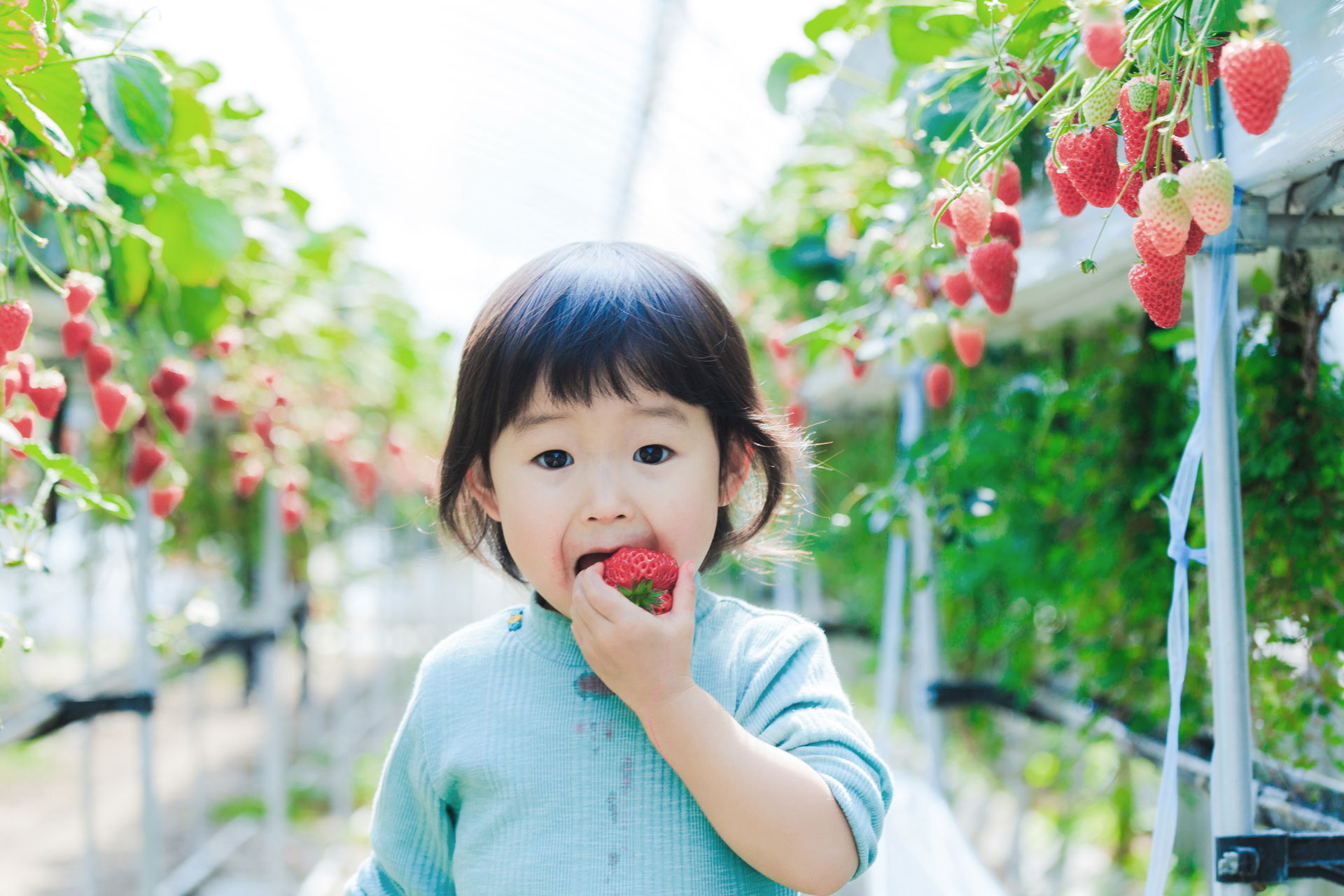
日本水果不是普通食物,而是貨真價實的奢侈品,一顆芒果賣到500歐元都不稀奇。重點是它們真的好吃到不行:甜度爆表、香氣濃郁、外型漂亮得像畫出來的,還有葡萄大到像李子這種誇張尺寸。所以去日本別只看價格嚇到,捨得買一顆試試,你會懂為什麼日本人把水果當精品在賣。你覺得水果沒什麼特別的嗎?那你一定還沒接觸過日本的水果!日本不但有許多你從未見過的異國水果,就連在德國常見的水果在日本也有不同的樣貌和風味。日本的水果被視為「奢侈品」,而不是普通的食品。因此,價格遠比德國的水果昂貴(500歐元一顆芒果並不少見),同時日本人也更注重水果的完美口感:必須非常甜、美味濃郁,外型也要像圖片上一樣完美!此外,日本的水果通常顆粒碩大,例如有像李子一樣大的葡萄!我們有專文介紹日本瘋狂水果價格,點這裡看更多。

日本有哪些水果?
在大城市裡幾乎可以買到各種水果,雖然很多品種不是日本本地生產而是進口。在日本本地,擁有許多在歐洲見不到的柑橘類水果。例如,日本有自己的柑橘變種,也有特別的蘋果和梨子品種。此外,有只適合醃製食用的李子,以及主要用來當調味料的水果。這裡為你整理了日本最普遍的水果品種清單。
Mikan - 日本蜜柑(橘子)
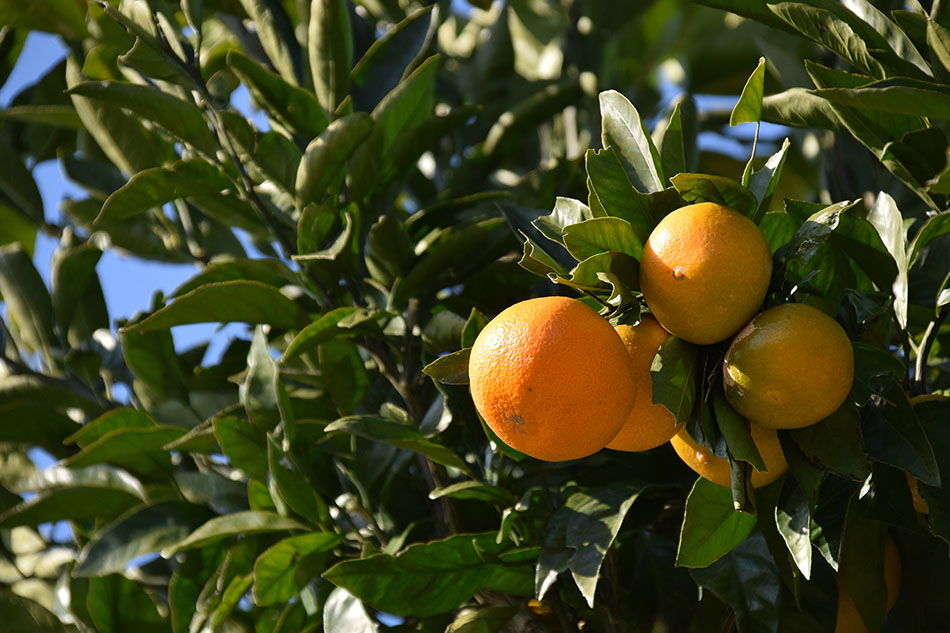
A cluster of ripe mikan, Japan's mandarin oranges, hangs on a leafy citrus tree under strong sunshine. One round, deep-orange fruit sits front and center, its dimpled peel catching the light, while a few others cluster just behind it, partly shaded by the foliage. Glossy dark-green leaves fill most of the frame, with bright blue sky peeking through gaps in the canopy. The scene reads like a warm autumn day in a Japanese citrus grove, the fruit looking heavy and ready to pick.
A cluster of ripe mikan, Japan's mandarin oranges, hangs on a leafy citrus tree under strong sunshine. One round, deep-orange fruit sits front and center, its dimpled peel catching the light, while a few others cluster just behind it, partly shaded by the foliage. Glossy dark-green leaves fill most of the frame, with bright blue sky peeking through gaps in the canopy. The scene reads like a warm autumn day in a Japanese citrus grove, the fruit looking heavy and ready to pick.
圖片中的可見文字
No text is clearly readable.
這種美味的小柑橘類水果很像柑橘或橘子。雖然最初源自中國,已在日本流行了數百年。直到2013年,蜜柑一直是日本消費量最多的水果,但如今被香蕉和蘋果超越。蜜柑非常容易剝皮,果肉甜美細緻。蜜柑的主要採收期在十月至翌年一月,因此大多數日本人都將蜜柑和寒冷的冬天聯想在一起。不過,夏天也能買到蜜柑,經常被用來做成各式霜淇淋甜點。有時候直接冷凍吃,或用果汁製成冰品。許多日本家庭還會在自家種蜜柑樹。
Nashi - 日本梨
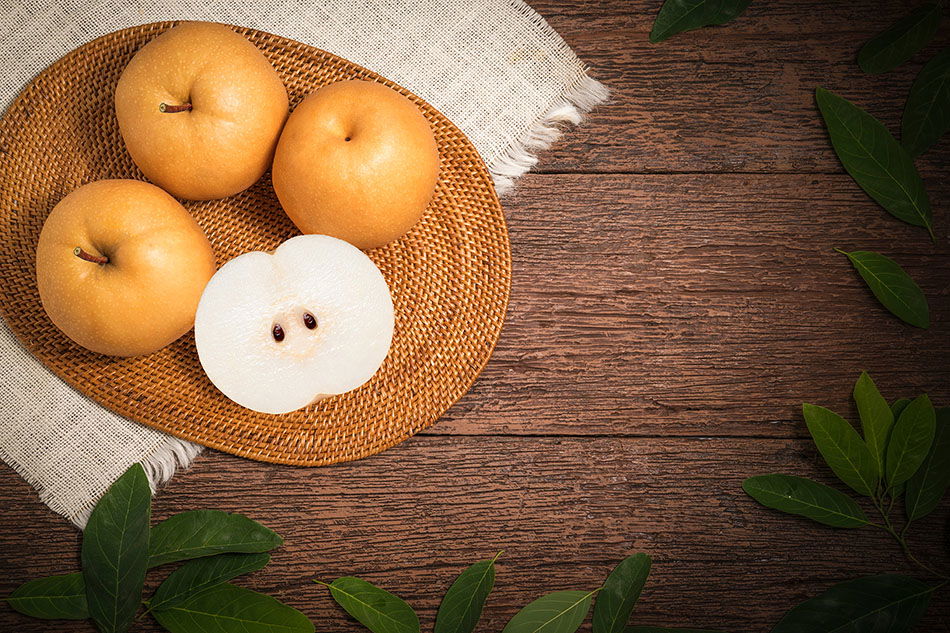
A woven rattan tray sits on a fringed cloth over dark rustic wood, holding four golden-brown Asian pears. One is cut in half, showing crisp white flesh with a small central seed cavity, which makes the round, apple-like shape of the nashi pear clear. A few green leaves are scattered around the wooden surface, giving the still life a fresh, natural look.
A woven rattan tray sits on a fringed cloth over dark rustic wood, holding four golden-brown Asian pears. One is cut in half, showing crisp white flesh with a small central seed cavity, which makes the round, apple-like shape of the nashi pear clear. A few green leaves are scattered around the wooden surface, giving the still life a fresh, natural look.
圖片中的可見文字
No clearly readable text found in the image.
看起來像蘋果的梨子是怎麼回事?這就是 Nashi 梨!它們大顆、圓潤又脆,屬於日本的傳統水果。雖然 Nashi 梨可以連皮食用,但大多會去皮切片食用,少有像蘋果一樣一口口直接吃的。這種受歡迎的梨也常被做成果凍甜點,經常用來送禮。Nashi 梨有多種不同品種,還常用來做烘焙點心,例如在高級麵包店裡可以買到 Nashi 梨塔。
Yuzu - 柚子

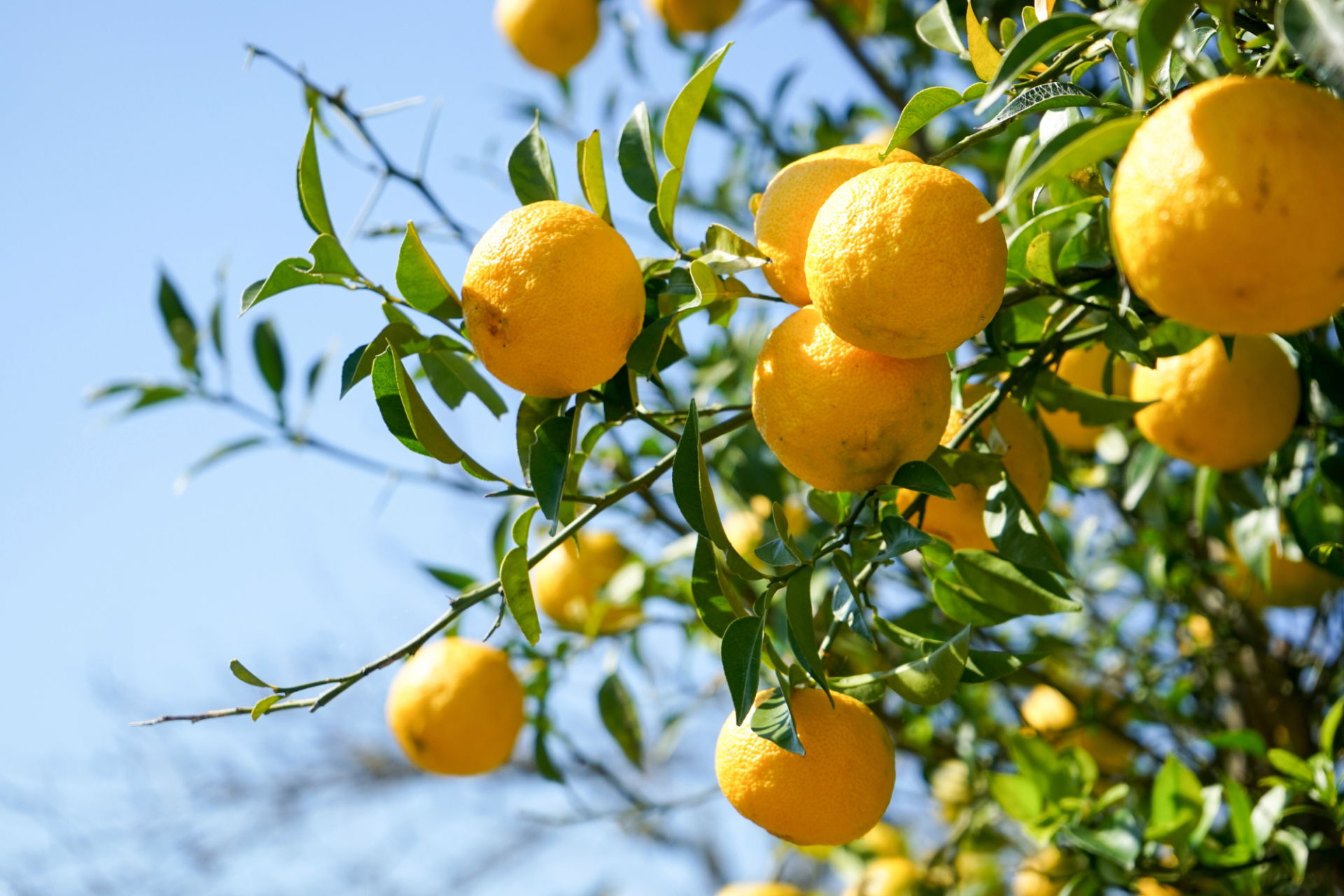
看起來像皺巴巴的檸檬,但風味截然不同!Yuzu 有獨特的甜味、酸味和微微的苦味,果肉淡色,籽多。通常不直接生吃,而是當作料理或甜點的調味。很受歡迎的調味醬 Ponzu 就是以 Yuzu 為基底製作,特別適合搭配烤魚、肉、火鍋或生魚片。還有以柚子乾燥粉末製成的 Yuzu 調味粉,可搭配甜點、豆腐、拉麵、天婦羅食用。進階版是 Yuzukosho,還加入辣椒和鹽。此外,Yuzu 汁在冬季時常用熱水兌飲。當然也有各式各樣的 Yuzu 甜點,從糖果到洋芋片都有!柚子還被廣泛用於保養品,從室內香氛、沐浴鹽到護唇膏都有。你對這種日本神奇水果好奇嗎?這裡有我們專文介紹 Yuzu 的文章:
Kaki(日本柿子)
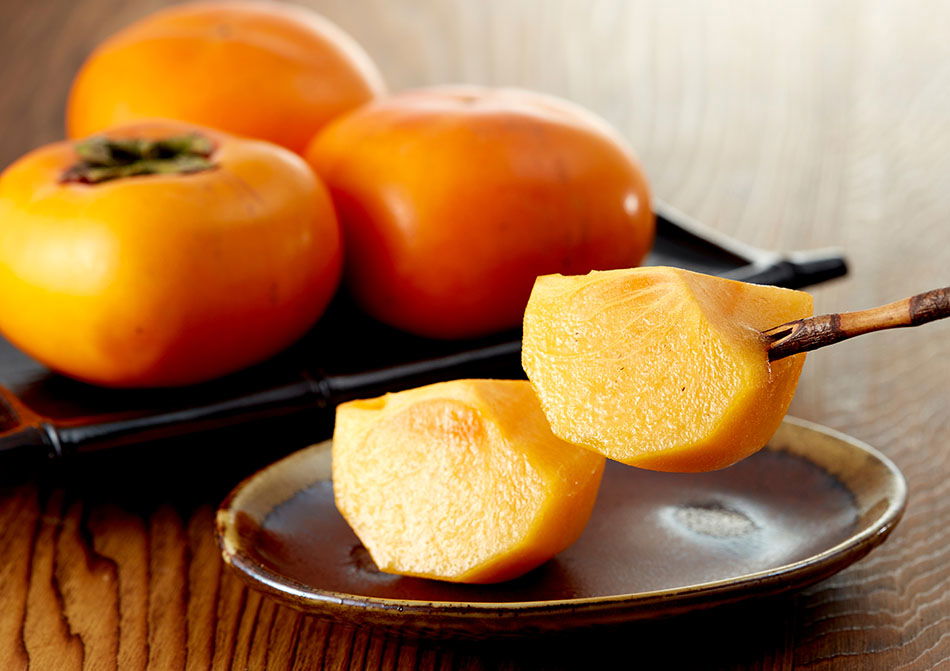
Three glossy orange persimmons (kaki) sit on a dark lacquered tray at the back of the frame, one still wearing its green leafy calyx. In front of them, the fruit has been peeled and cut into thick wedges arranged on a small brown-glazed ceramic dish. One wedge is skewered on a rough wooden pick and lifted toward the camera, showing the dense, juicy, amber flesh in sharp detail while the whole fruits behind it fade into soft focus. Everything rests on a warm wooden surface, giving the photo the feel of a careful Japanese fruit presentation where the cut piece is the highlight.
Three glossy orange persimmons (kaki) sit on a dark lacquered tray at the back of the frame, one still wearing its green leafy calyx. In front of them, the fruit has been peeled and cut into thick wedges arranged on a small brown-glazed ceramic dish. One wedge is skewered on a rough wooden pick and lifted toward the camera, showing the dense, juicy, amber flesh in sharp detail while the whole fruits behind it fade into soft focus. Everything rests on a warm wooden surface, giving the photo the feel of a careful Japanese fruit presentation where the cut piece is the highlight.
圖片中的可見文字
No clearly readable text.
這是日本最受歡迎的秋天水果之一!日本分為兩種柿子:一種含鞣酸較多(hachiya-gaki),一種鞣酸較少(fuyuu-gaki)。鞣酸較少的可以在較硬時食用——硬到需要削皮、切片,就像吃蘋果一樣。含鞣酸高的則必須完全熟軟才能食用,可以用湯匙挖著吃,也很適合加在麥片或粥上,有時也會用來製作蛋糕和甜點。
Ume

這種李子類水果(其實屬於杏的一種)不能生食,生吃有毒。因此通常會用鹽醃製成梅干(Umeboshi),也會做成果醬。醃製、發酵的梅干在日本料理中很常見,非常健康。它味道又鹹又酸,與白飯搭配絕妙。近年來還有蜂蜜醃製梅子,吃起來比較甜。Ume 也會被釀造成 Umeshu(梅酒),你也可以在家簡單製作!

Kyoho - 巨峰葡萄
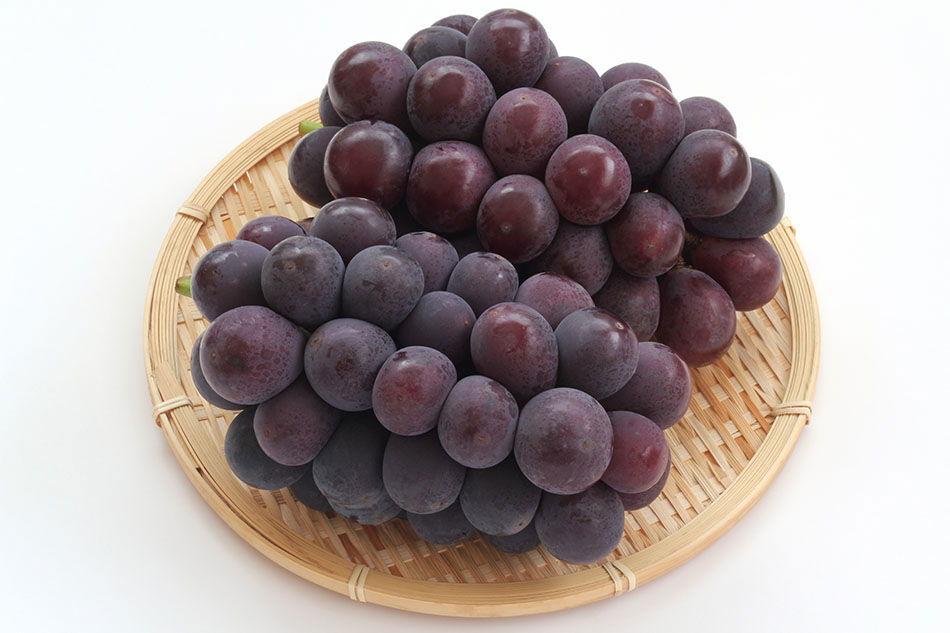
A pile of Kyoho grapes fills most of the frame, resting on a round woven bamboo tray against a plain white background. The grapes are noticeably large and plump, with deep purple skin so dark it looks almost black in places, and a dusty natural bloom that gives them a soft, matte sheen. Several tight clusters overlap each other, spilling slightly over the edge of the tray, and the pale woven bamboo shows through the gaps between them. It reads as a simple product-style shot that emphasizes just how big and glossy these premium Japanese grapes are.
A pile of Kyoho grapes fills most of the frame, resting on a round woven bamboo tray against a plain white background. The grapes are noticeably large and plump, with deep purple skin so dark it looks almost black in places, and a dusty natural bloom that gives them a soft, matte sheen. Several tight clusters overlap each other, spilling slightly over the edge of the tray, and the pale woven bamboo shows through the gaps between them. It reads as a simple product-style shot that emphasizes just how big and glossy these premium Japanese grapes are.
圖片中的可見文字
No text is clearly readable in the image.
像德國李子一樣大的葡萄,就是 Kyoho 巨峰。外皮呈深藍色到深紫色,風味甜美濃郁。食用前常常會去皮,因為皮和籽稍微帶苦。巨峰葡萄在每年八、九月成熟,即使是當季也是昂貴的高級水果。許多果園還會開放讓遊客體驗採葡萄的樂趣。
Kabosu - 柑橘類水果
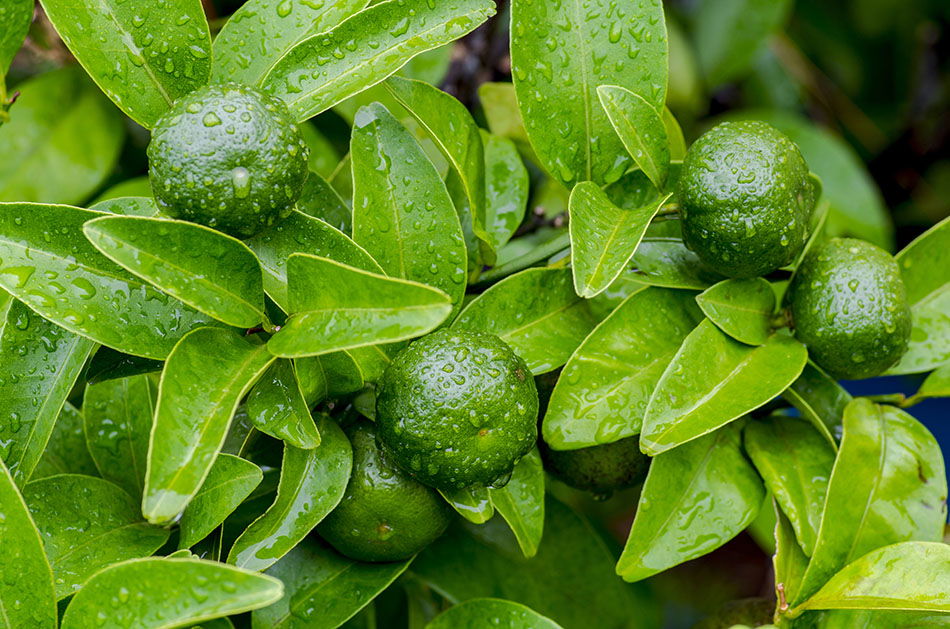
Close-up of a kabosu tree, a Japanese citrus fruit, with several round green fruits hanging among dense leaves. The bumpy, unripe rinds and the elongated glossy leaves are both beaded with water droplets, giving the whole scene a fresh, just-rained look. The fruits sit at different depths in the frame, some sharply in focus in the foreground and others softening into the greenery behind them.
Close-up of a kabosu tree, a Japanese citrus fruit, with several round green fruits hanging among dense leaves. The bumpy, unripe rinds and the elongated glossy leaves are both beaded with water droplets, giving the whole scene a fresh, just-rained look. The fruits sit at different depths in the frame, some sharply in focus in the foreground and others softening into the greenery behind them.
圖片中的可見文字
No text is clearly readable in the image.
這種酸味的柑橘類水果常被誤認為萊姆,實際上則與柚子更親近!Kabosu 的果汁常常與薑和蜂蜜搭配成美味的清涼飲品,也用於料理中取代醋。搭配魚料理很受歡迎,因為它的酸味可以減輕魚腥味。
Kinkan
小巧圓潤又好吃的 Kinkan(金柑,Kumquat)可以連皮食用,成熟於冬季。Kinkan 含有豐富的維生素,被認為有預防及緩解感冒的功效。味道酸爽但同時很多汁,可作為果乾食用,也可做成果醬,還能當餅乾材料。
Sudachi
這種小柑橘外型有點像皺皮萊姆,非常酸,以至於不當作水果直接吃,而是作為調味料食用。Sudachi 可以用來取代萊姆或檸檬。在日本,市面上約九成 Sudachi 來自德島縣,是當地飲料與料理(如冰淇淋、雞尾酒、蘇打飲)的人氣之星,也常作為蕎麥麵、烏龍麵和鍋物的裝飾。
Fuji 蘋果
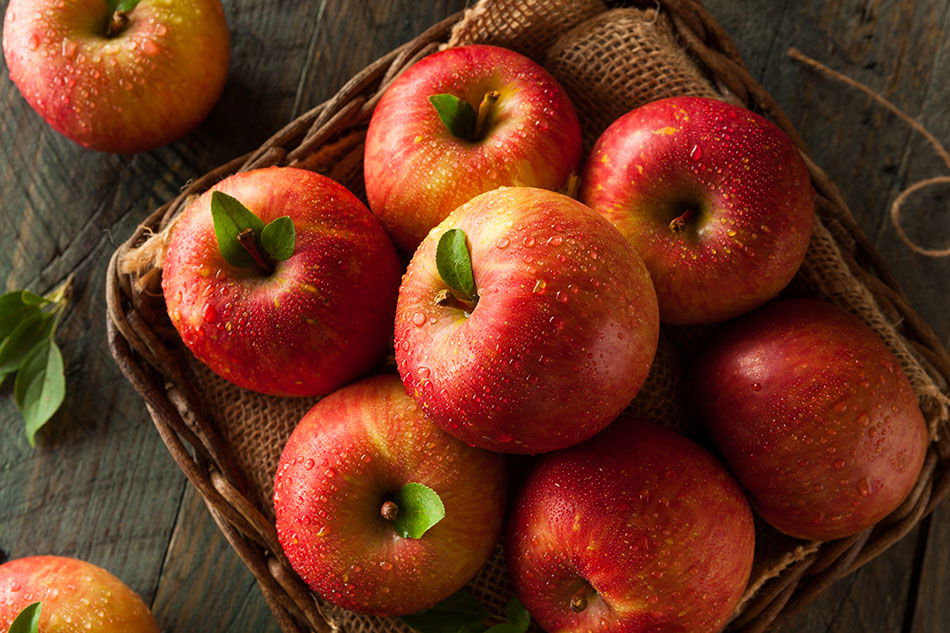
A shallow woven basket lined with coarse burlap holds a pile of fresh Fuji apples, photographed from above on a dark, weathered wooden table. The apples are plump and glossy, red blushed with golden yellow, and every skin is beaded with fine water droplets that make them look just washed. Several still carry their small green leaves at the stem, a touch often kept on premium Japanese fruit. Two loose apples rest at the corners of the frame beside a scattered leaf, so the basket nearly fills the view. The rough twine, dark wood, and dewy fruit give the whole scene a rustic harvest feel while pointing at something sold as a luxury product rather than an everyday snack.
A shallow woven basket lined with coarse burlap holds a pile of fresh Fuji apples, photographed from above on a dark, weathered wooden table. The apples are plump and glossy, red blushed with golden yellow, and every skin is beaded with fine water droplets that make them look just washed. Several still carry their small green leaves at the stem, a touch often kept on premium Japanese fruit. Two loose apples rest at the corners of the frame beside a scattered leaf, so the basket nearly fills the view. The rough twine, dark wood, and dewy fruit give the whole scene a rustic harvest feel while pointing at something sold as a luxury product rather than an everyday snack.
圖片中的可見文字
No text is clearly readable in the image.
這個蘋果現在世界各地都能吃到,但其實源自日本,是由幾種美國蘋果雜交培育而成。儘管如此,Fuji 蘋果仍是日本最受歡迎的蘋果品種。Fuji 蘋果能長到很大顆、風味極甜美。既可以直接生吃,也可用於甜點。糖漬 Fuji 蘋果在日本的廟會和祭典很常見。這個品種非常耐藏,只要冷藏就能保存一年,因此日本全年都買得到。
日本桃子
日本的桃子(Momo)顆粒極大、非常多汁、味道濃郁。經過多年選殖,日本桃品質已達登峰造極。現今甚至會測量糖度來判斷品質。日本桃的季節在七月至九月,外皮較厚,通常會去皮切片食用,也可以拿來做蛋糕、甜點、果汁、汽水,甚至塞進甜包子裡當餡料。
Satonishiki 櫻桃
提到日本會想到櫻花,但大多數櫻花樹並不結果。因此,只有淡紅色、夏初成熟的 Satonishiki 櫻桃是真正的日本品種。全日本有七成的櫻桃產自山形縣!Satonishiki 櫻桃屬於高級水果,也較為昂貴,果肉潔白、皮色艷紅,風味極致甜美。
Shikuwasa
據說這就是沖繩居民長壽的祕密之一。Shikuwasa 柑橘富含維他命 C,據說有預防癌症、糖尿病與肝臟損傷的功效,研究顯示也有潛力可作為阿茲海默治療。有點青檸香,未熟時是綠色且味道很酸,熟成後轉黃,微帶甜味。Shikuwasa 主要被製成果汁或果醬,像檸檬一樣用於烤魚料理、果汁及甜點中。
日本哈密瓜
日本哈密瓜堪稱是水果界的奢侈品。雖然據說日本哈密瓜是全世界數一數二的美味,但一顆高達220歐元的價格還是很驚人,對嗎?但在日本可不算稀奇!這些哈密瓜通常外型圓潤到完美,農家還會細心按摩果實讓它更甜,絕不會看到果皮有任何瑕疵或凹陷。
評論