日本基礎

梅干

酸梅

撰稿與分析 Ryusei Hosono • • 已更新: 2024年12月31日
4.6 (17 評分)
mei-gan

A footed ceramic bowl with a dark, speckled glaze holds a pile of umeboshi, the Japanese pickled plums. The fruits are shriveled and glossy, ranging in color from warm orange to deep reddish brown, with a few dark shiso leaves tucked between them. Beside the bowl sit fresh, unprocessed ume plums: round and fuzzy, mostly green with one turning yellow, scattered on the surface and still attached to a leafy branch in the background. The dark backdrop makes the pickled plums glow, and a pair of chopsticks rests at the lower edge of the frame. The picture sets the finished fermented product right next to the raw fruit it comes from.

A footed ceramic bowl with a dark, speckled glaze holds a pile of umeboshi, the Japanese pickled plums. The fruits are shriveled and glossy, ranging in color from warm orange to deep reddish brown, with a few dark shiso leaves tucked between them. Beside the bowl sit fresh, unprocessed ume plums: round and fuzzy, mostly green with one turning yellow, scattered on the surface and still attached to a leafy branch in the background. The dark backdrop makes the pickled plums glow, and a pair of chopsticks rests at the lower edge of the frame. The picture sets the finished fermented product right next to the raw fruit it comes from.


圖片中的可見文字

No clearly readable text is present in the image.

梅干 照片:Ryusei Hosono / RyuKoch

目錄:

    太長不看

    梅干就是醃漬發酵的日本梅子,味道超酸超鹹,最經典的吃法是配白飯或塞進飯糰裡。因為鹽分高所以能放很久,買的時候挑成分只有梅子、鹽和紫蘇葉的傳統款就對了。

    Umeboshi 是一種在日本料理中廣泛使用的發酵水果。名稱由「Ume」(梅子)和「Boshi」(源自「hosu」,意為「曬乾」)組合而成。

    Umeboshi 是什麼味道?

    Umeboshi 具有強烈的酸味和鹹味,僅帶有微微的甜味。傳統上在曬乾過程中有時會加入糖增加一點甜味。現今也有以甜味為主的變種,但這常被傳統愛好者所惋惜。Umeboshi 據稱具有抗菌作用,富含有機酸,具有強大的鹼化作用,可幫助肝臟功能。

    Umeboshi 如何製作?

    Ume 果實在未成熟的青色或黃熟時採收,樹下鋪設網子來收集掉落的果實,並避免其受損。收成後將果實洗淨、加鹽,與紅紫蘇葉一同放入密封容器,這也賦予 Umeboshi 其獨特的紅色。約一個月後,取出果實並於空氣中晾乾。

    Umeboshi 如何食用?

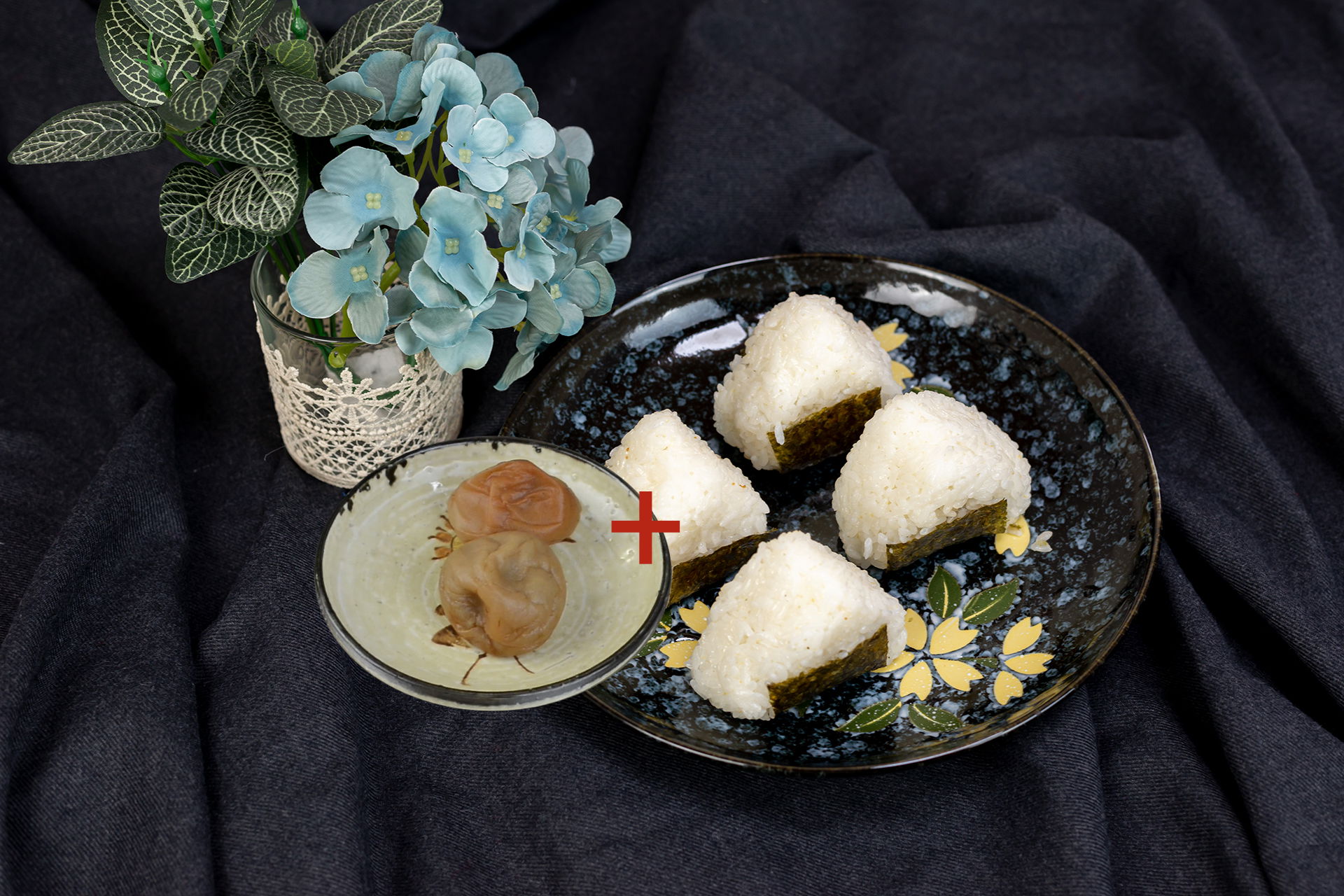
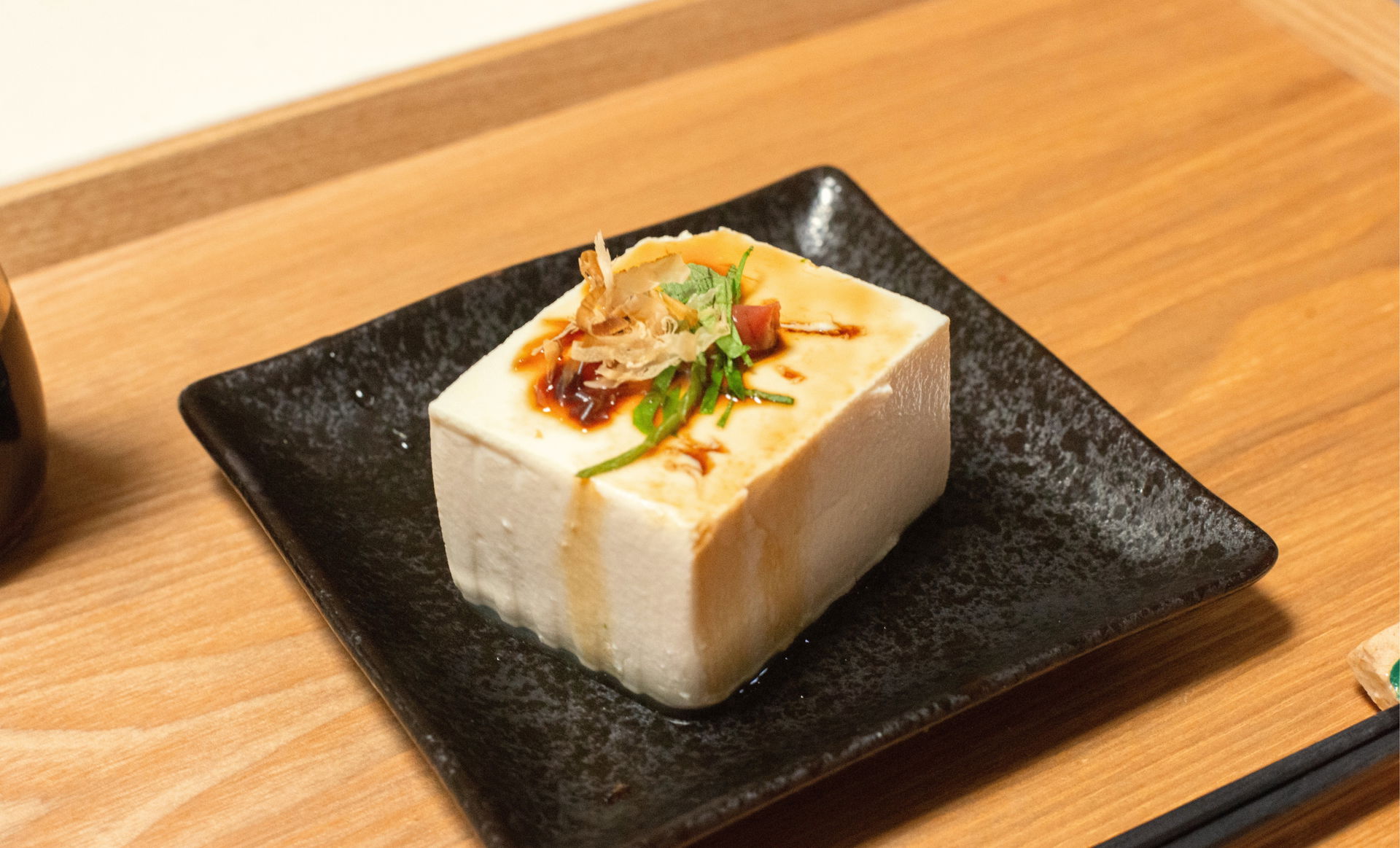
    Umeboshi 常與白飯搭配,為日本傳統飯菜的經典配料,經常出現在便當盒中,也常用作 Onigiri(飯糰)的內餡。此外,Umeboshi 亦可用於各種料理中,如拉麵、壽司,或與沙拉及豆腐搭配作為調味品。
    歷史與文化意義

    Umeboshi 在日本有著悠久的歷史,最初從中國傳入。在江戶時期(1603–1868),Umeboshi 被武士們視為對抗疲勞、延長食物保存期間的重要食材。在日本文化中,Umeboshi 象徵長壽,常作為便當的吉祥物使用。

    地區差異

    在日本,Umeboshi 依地區有各種不同的變化。例如和歌山縣以生產高品質的 Umeboshi 聞名,尤其是來自名濱市的 Ume 果實最為著名。

    現代烹飪應用

    • 義大利麵醬: 加一小匙 Umeboshi 醬入奶油醬汁中(如與鱈魚卵搭配),為料理帶來特別的風味。
    • 蛋白質沾料: Umeboshi 醬可作為燒烤雞肉串、水煮蝦或蒸魚的沾醬,提升料理的獨特風味。
    • 沙拉醬: 將 Umeboshi 醬與柚子汁、蔥花、芝麻和少量醬油攪拌,製成富有層次的沙拉醬汁,特別適合沙拉搭配。
    • 飲品: Umeboshi 傳統上常用於梅酒(Umeshu)等飲品。現今也融入創意雞尾酒和無酒精飲料,增添獨特風味。

    保存與保存期限

    Umeboshi 因其高鹽分具有相當長的保存期限。建議存放於陰涼乾燥處。開封後應冷藏並於數月內食用完畢。

    購買與選擇

    購買 Umeboshi 時,需注意品質與所用原料。傳統製作的 Umeboshi 通常僅含梅子、鹽與紫蘇葉。建議選擇無添加劑或人工香料的產品。

    個人小建議(來自 Ryusei):

    購買 Umeboshi 時,常可在包裝上看到鹽分含量標示。這會大幅影響 Umeboshi 的風味:

    • 20% 鹽分: 非常鹹且酸;傳統風味。
    • 10–15% 鹽分: 適度鹹與酸;口感較平衡。
    • 5–10% 鹽分: 較不鹹、不太酸;口味較溫和並帶一點甜。
    • 低於5% 鹽分: 味道溫和,通常偏甜或很甜;適合喜歡較不強烈風味的人。

    請注意,高鹽分不僅影響風味,也可延長 Umeboshi 的保存期限。傳統高鹽分 Umeboshi 可常溫保存且更耐久,而低鹽分款則較易腐壞,建議冷藏保存。

    Umeboshi 不僅是日本 料理 中極為多元的食材,也是健康與長壽的象徵,並具有深刻的文化意義。

    立即追蹤 @ryukoch

    加入我們的 Instagram 社群!

    美食與旅行照片 / 日本探險 / 獨家幕後花絮

    loading
    立即評論

    評論

    為此文章評分