目錄:
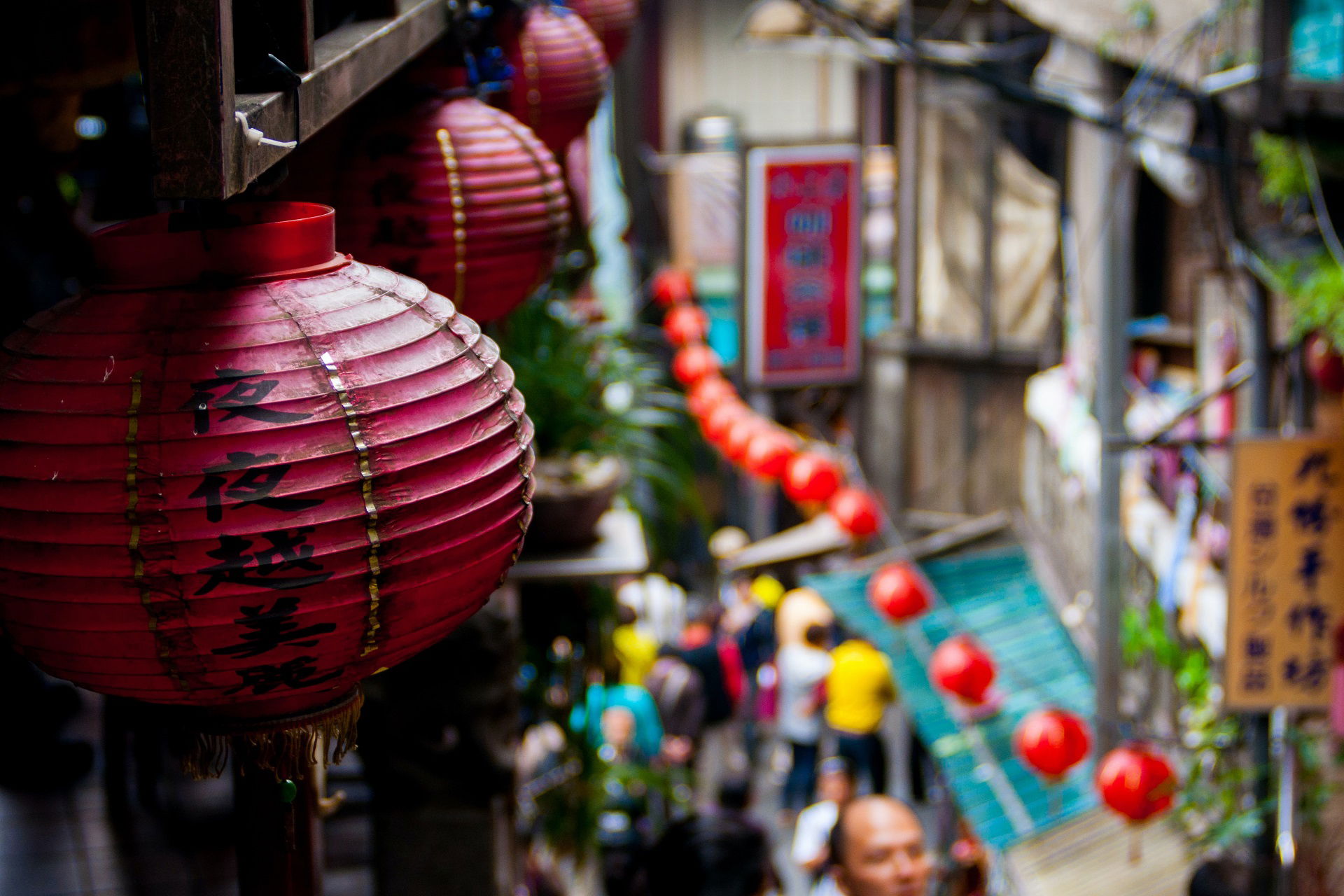
日本的飲食文化被認為是世界上最為多樣化之一。它在全球都非常有名,被認為極其健康又美味。世界各地的餐廳都成功地專注於這種獨特的飲食風格,特別是在歐洲和美國。然而,這些精湛的烹飪藝術能夠傳到我們身邊,實際上經歷了好幾十年的時光。
這種料理是怎麼傳到我們這裡的?
特別有趣的是傳統日本料理的流傳路徑,以及是哪些影響促使它成為我們今日所熟悉的樣貌。
簡短的歷史課:
16世紀時,日本與西方世界有多次接觸,尤其與荷蘭、葡萄牙和西班牙。由於當時的西方國家被視為殖民強權並有潛在敵意,雙方並沒有建立長久的關係。只有荷蘭人得以保持聯繫,並在接下來的兩百年裡成為日本和西方世界、飲食之間唯一的聯繫點。
直到十九世紀,隨著日本被迫開國及簽訂所謂的「不平等條約」,情況才有所改變。條約中,日本被迫對美國、英國、法國和俄國等經濟強國開放港口,允許它們與日本進行貿易。這促使世界首次大規模接觸日本文化與料理。
十九世紀末,一波日本移民潮啟程前往美國。進入各大城市也促進了壽司在美國的知名度。例如,1972年紐約哈佛俱樂部開設了一家壽司吧,紐約時報曾 詳細報導 。這股風潮引發了今天我們所熟知並喜愛的日本料理革命。
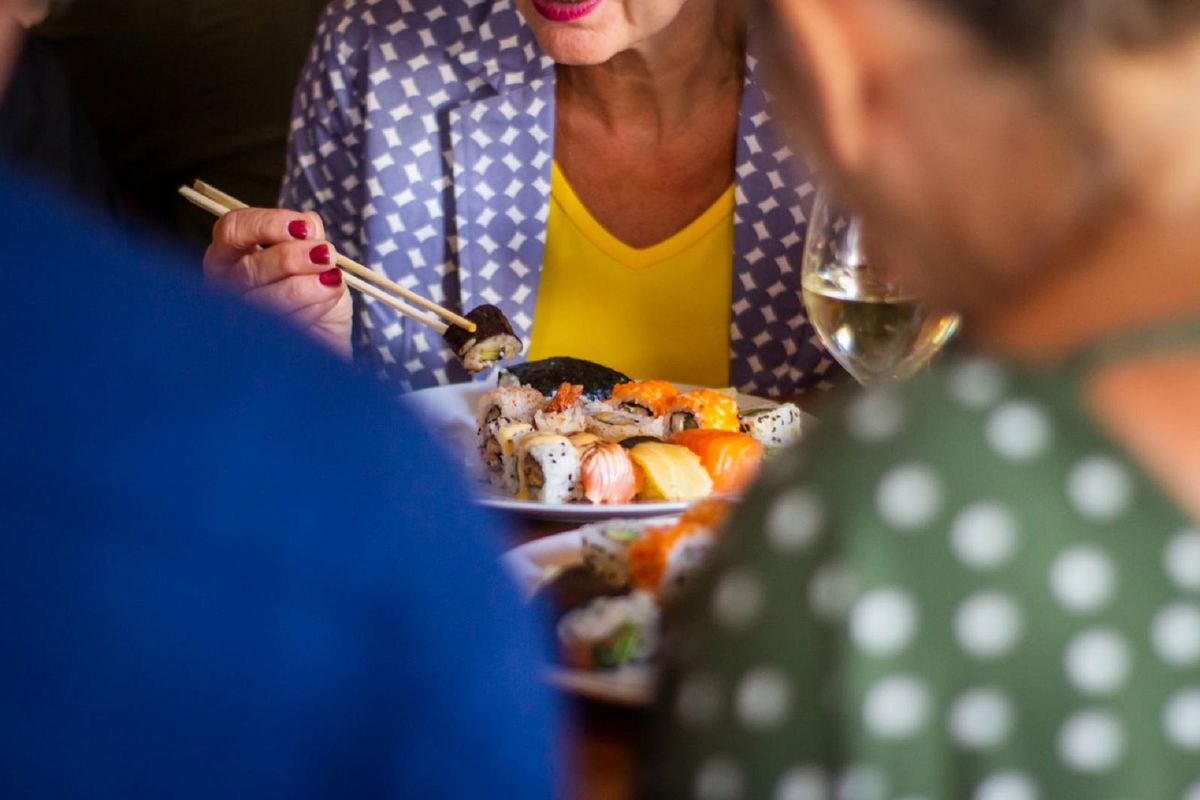
A plate piled with sushi takes center stage as three people share a meal around a table. The woman at the center, seen from the chin down, wears a yellow top under a blue and white patterned jacket and lifts a piece of maki with her chopsticks, a second roll held in her red polished fingers. The platter in front of her is packed with variety: rolls topped with bright orange fish roe, nigiri with salmon and shrimp, and a piece wrapped in dark nori. A glass of white wine stands beside it. The shoulders of two dining companions fill the foreground in soft blur, one in blue and one in green polka dots, keeping the focus on the food and the mid-bite moment at its center.
A plate piled with sushi takes center stage as three people share a meal around a table. The woman at the center, seen from the chin down, wears a yellow top under a blue and white patterned jacket and lifts a piece of maki with her chopsticks, a second roll held in her red polished fingers. The platter in front of her is packed with variety: rolls topped with bright orange fish roe, nigiri with salmon and shrimp, and a piece wrapped in dark nori. A glass of white wine stands beside it. The shoulders of two dining companions fill the foreground in soft blur, one in blue and one in green polka dots, keeping the focus on the food and the mid-bite moment at its center.
圖片中的可見文字
No clearly readable text is present in the image.
飲食文化
在日本的飲食文化中,「眼睛也要一起享受美食!」這句諺語可說是被真正實踐。這種理念強調味道、外觀、口感及餐具必須合而為一。日本人相信一天中要攝取盡可能多樣的食材,讓所有味蕾都能被滿足,身體也能獲得所需養分。因此,他們每餐都會以多種新鮮食材烹調。不論是早餐、午餐還是晚餐,準備餐點都需花上不少時間。僅早餐就可包含多達30種食材——而我們則往往一整天才吃這麼多。
此外,新鮮水果的高品質在日本也比我們這裡受到更高度重視。多汁紅潤、香甜可口的草莓在我們的超市並不常見,而在日本卻是很普遍。不過,相對地,水果和蔬菜的價格也較高。果汁也是現榨現喝,而非超市購買。像榨汁機這類 重要的廚房夥伴,製作新鮮果汁時不可或缺。 當然也有已罐裝的果汁(只有100%果汁含量才能稱作果汁),但相較之下,新鮮現榨果汁比我們這裡受歡迎得多。
新鮮水果及其他因素讓日本食物本身在當地具有比我們這裡更高的地位。這也是日本人經常慶祝的原因之一——例如將胡蘿蔔片雕成蝴蝶形狀,或將飯糰做成花朵,成為賞心悅目的擺盤方式。
就食材、選擇、特色和擺盤而言,日本料理的變化幾乎無限。傳統日本料理(和食)的顯著特點之一,就是和自然的緊密聯繫及豐富多樣的在地食材。日本料理深受季節影響,菜餚、蔬菜、水果及魚類會隨季節改變。即使現今靠進口與溫室栽培,水果和蔬菜全年皆易取得,日本人仍堅持使用當地當季的食材,強調與自然的連結,尤其在健康方面格外重視。難怪日本料理被譽為「世界最健康飲食」,日本人平均壽命名列前茅。
最重要的餐桌禮儀基本規則
日本人在新鮮度、時令食材、精緻擺盤及天然食材均衡方面有著嚴格要求,同樣對餐桌禮儀也十分講究。雖然他們知道外國客人未必熟悉日本習俗,因此也不會過於苛責,但若能在日本用餐或受邀時留意一些基本規則,總是沒壞處的。
不同於我們,日式餐點不是用一個大盤子裝,而是分成許多小碟小碗,精緻擺盤。除了作為主食的米飯外,各種不同的湯品也是日本料理的基礎之一。
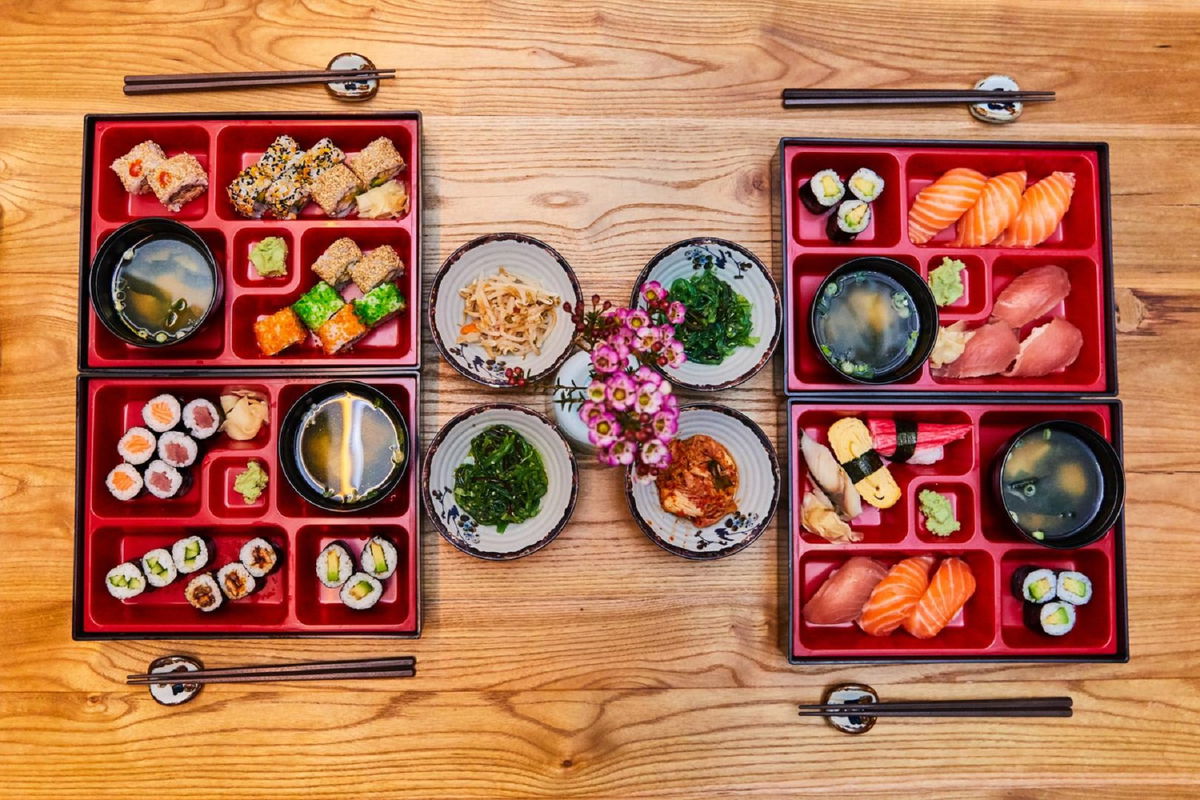
Shot from directly above, a wooden table is set for a Japanese meal with four red compartmentalized bento boxes arranged in two columns. Each box holds an assortment of sushi: inside-out rolls coated in sesame or bright tobiko, maki with cucumber and avocado, and nigiri topped with salmon, tuna, and tamago. A black bowl of miso soup sits in a corner of every box, with small amounts of wasabi and pickled ginger tucked into side compartments. Between the boxes, four small ceramic dishes with blue floral rims hold sides like seaweed salad, bean sprouts, and kimchi, and a tiny vase of pink waxflowers sits at the center of the table. Chopsticks rest on ceramic holders at each of the four place settings, giving the spread a shared, dinner-party feel.
Shot from directly above, a wooden table is set for a Japanese meal with four red compartmentalized bento boxes arranged in two columns. Each box holds an assortment of sushi: inside-out rolls coated in sesame or bright tobiko, maki with cucumber and avocado, and nigiri topped with salmon, tuna, and tamago. A black bowl of miso soup sits in a corner of every box, with small amounts of wasabi and pickled ginger tucked into side compartments. Between the boxes, four small ceramic dishes with blue floral rims hold sides like seaweed salad, bean sprouts, and kimchi, and a tiny vase of pink waxflowers sits at the center of the table. Chopsticks rest on ceramic holders at each of the four place settings, giving the spread a shared, dinner-party feel.
圖片中的可見文字
No clearly readable text is present in the image.
日本的餐桌禮儀與其他文化差異頗大,因此有許多需要留意的地方。例如,避免將筷子直插在飯上,或用筷子互相傳遞食物,因這會讓人聯想到佛教喪禮儀式。還有,把筷子在桌上交叉也容易聯想到死亡,因此盡量避免,若不用時應將筷子平放在筷架(Hashioki)或筷子托上。
在欣賞完滿桌菜餚之後,等大家都準備好時,會用謙虛的詞語——いただきます(Itadakimasu,意思是「我要開動了」)。雖然Itadakimasu常被翻譯為「請慢用」或「開動了」,但實際意涵稍有不同:它一方面是向廚師或主人表達謙遜的感謝,一方面也是表示大家準備開始用餐的訊號。
除了這些規則外,還有 許多其他要注意的禮儀 ,有些可以遵守,有些則必須遵守。不論是在日本還是在你家附近的餐廳,懂得基本禮貌很重要,這是對當地文化與主人家的尊重。
在餐廳用餐後,你可能會苦等服務生結帳。但在日本通常是在餐廳門口的收銀台結帳,而非直接在餐桌上。即使服務多周到、菜餚再怎麼美味……日本是不習慣給小費的,多數服務生還會追出來,禮貌地把小費還給你。
如先前所述,日本人並不會要求外國來賓完全遵守日本的禮儀,不過建議還是觀察並學習主人的做法。至少可以嘗試一下,因為日本禮儀反映出很多關於社會、傳統與文化的內涵,遠超乎我們的想像。
圖片來源
首圖:unsplash.com © thecupandtheroad 圖2:unsplash.com © louishansel 圖3:unsplash.com © kofookoo
評論