Mục lục:
TL;DR
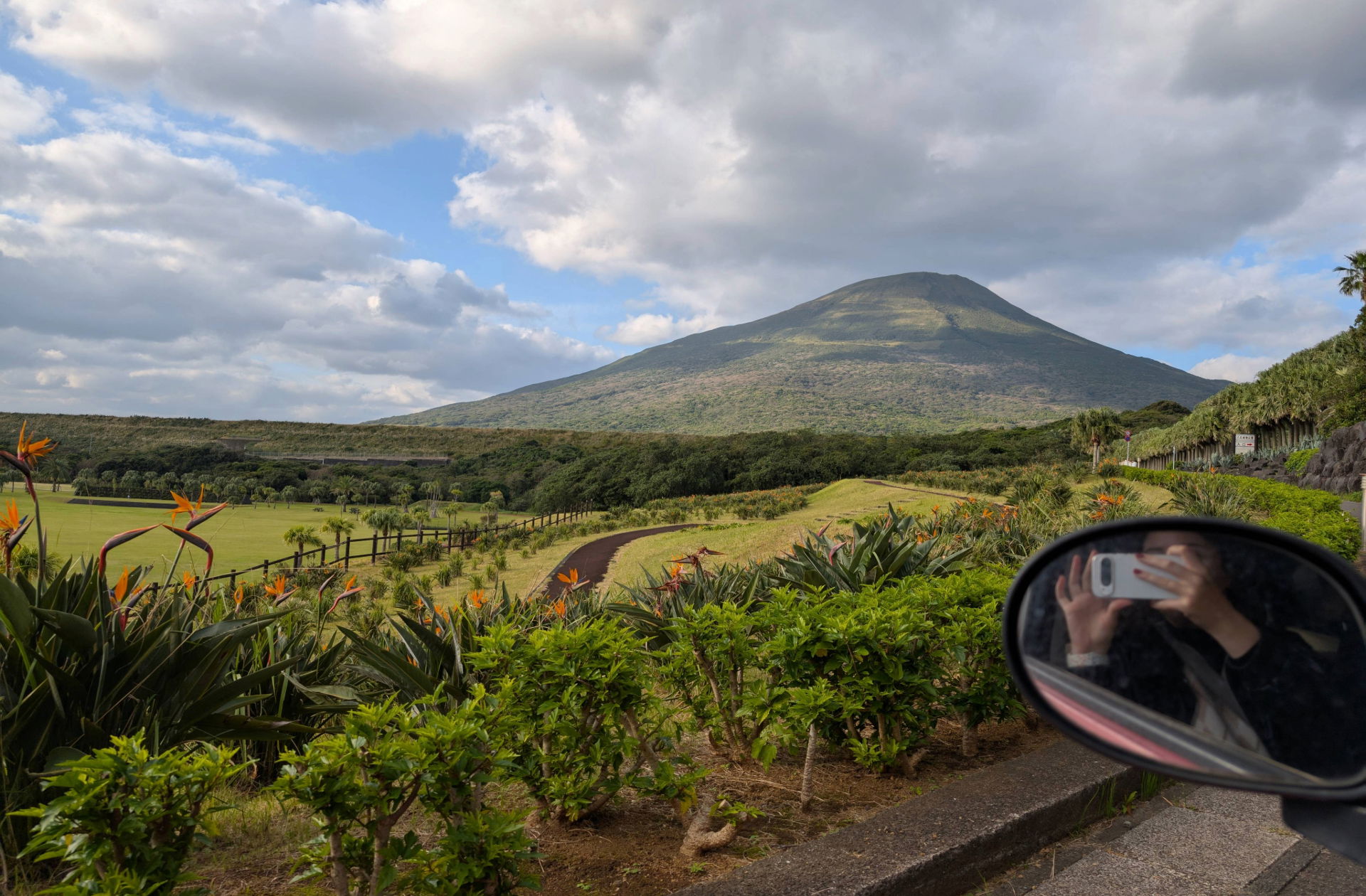
Hachijō-jima là hòn đảo núi lửa thuộc Tokyo nhưng khí hậu cận nhiệt đới nên rừng cây xanh tốt như rừng nhiệt đới, ít khách du lịch và còn giữ nhiều dấu tích cũ hoang sơ, rất hợp ai thích khám phá thiên nhiên nguyên bản. Đi từ Tokyo chỉ mất 45 phút bay từ Haneda (khoảng 35.000 yen khứ hồi) hoặc đi phà khoảng 10 tiếng nếu muốn tiết kiệm. Trên đảo nên thuê xe hơi vì xe buýt chạy thưa thớt, giá thuê khoảng 5.000 yen một ngày là đi chơi thoải mái cả đảo.Hachijō-jima, một hòn đảo núi lửa, nằm cách Tokyo khoảng 300 km về phía nam trên Thái Bình Dương và về mặt hành chính thuộc về thủ đô Nhật Bản. Hòn đảo là một phần của quần đảo Izu và Vườn quốc gia Fuji-Hakone-Izu. Điều khiến Hachijō-jima khác biệt so với các hòn đảo khác trong chuỗi đảo Izu là khí hậu cận nhiệt đới và thảm thực vật xanh tươi, gần như rừng rậm nhiệt đới do đó mang lại. Hòn đảo mang đến sự kết hợp độc đáo giữa thiên nhiên hoang sơ, cảnh quan núi lửa, onsen thư giãn và các điểm tham quan văn hóa.
Hachijō-jima có một lịch sử hấp dẫn. Các phát hiện khảo cổ cho thấy hòn đảo đã có người sinh sống từ thời Jōmon (khoảng năm 14.000 - 300 trước Công nguyên). Trong thời kỳ Edo (1603-1868), hòn đảo từng là nơi lưu đày tội phạm và những người bất đồng chính kiến. Một trong những người lưu đày nổi tiếng nhất là Ukita Hideie, một daimyō đã bị đánh bại trong trận Sekigahara. Hậu duệ của ông không được tha thứ cho đến sau cuộc Duy tân Meiji năm 1869. Lịch sử của hòn đảo như một nơi lưu đày đã định hình văn hóa và bản sắc địa phương, mang đến cho Hachijō-jima một bầu không khí đặc trưng.
Cá nhân tôi đặc biệt bị hòn đảo thu hút vào mùa thu, khi Tokyo đã trải qua những ngày mát mẻ hơn. Những khu rừng xanh tươi và cảnh quan ven biển gồ ghề toát lên một vẻ quyến rũ độc đáo. Điều khiến Hachijō-jima khác biệt so với các hòn đảo khác của chuỗi đảo Izu là mức độ phát triển du lịch thấp. Những tòa nhà bỏ hoang, chẳng hạn như khách sạn Hachijo Royal trước đây, chứng kiến một thời kỳ bùng nổ du lịch trong quá khứ và mang đến cho hòn đảo một chút hoài niệm và phiêu lưu. Chính sự tương phản giữa thiên nhiên hoang sơ và những dấu vết của thời quá khứ khiến Hachijō-jima trở nên hấp dẫn đối với tôi.
Di chuyển đến và đi lại trên Hachijō-jima
Đi máy bay đến Hachijō-jima
Đi máy bay là lựa chọn nhanh nhất và tiện lợi nhất. Chuyến bay từ Tokyo (sân bay Haneda) chỉ mất 45 phút và mang đến những tầm nhìn ngoạn mục về núi Fuji tuyết phủ và các hòn đảo xung quanh. Trong chuyến bay của tôi, tôi đã được chứng kiến một hoàng hôn ngoạn mục trên lớp mây và ngắm nhìn Fuji hùng vĩ với đỉnh tuyết phủ. Điện thoại thông minh hiện đại cho phép du khách ghi lại những khoảnh khắc độc đáo này – chẳng hạn như hoàng hôn hay tầm nhìn về Fuji – với chất lượng tuyệt vời qua cửa sổ máy bay. Giá vé máy bay khoảng 35.000 Yen mỗi người cho chuyến khứ hồi, khá hợp lý cho trải nghiệm hòn đảo đặc biệt này.

Seen from an airplane window, Mount Fuji rises above a thick blanket of clouds at sunset. The volcano's perfectly shaped cone stands in dark silhouette against a sky glowing in soft orange and peach tones, with its lower slopes fading into the hazy cloud layer below. A curved edge of the aircraft's engine is visible in the bottom left corner, confirming the view from the window seat. Wispy clouds catch the warm light overhead, giving the whole scene a calm, golden glow.
Seen from an airplane window, Mount Fuji rises above a thick blanket of clouds at sunset. The volcano's perfectly shaped cone stands in dark silhouette against a sky glowing in soft orange and peach tones, with its lower slopes fading into the hazy cloud layer below. A curved edge of the aircraft's engine is visible in the bottom left corner, confirming the view from the window seat. Wispy clouds catch the warm light overhead, giving the whole scene a calm, golden glow.
Văn bản nhìn thấy trong hình
No clearly readable text found in the image.
Đi phà đến Hachijō-jima
Ngoài việc đi máy bay, Hachijō-jima cũng có thể đến bằng phà. Phà hoạt động từ Tokyo (cảng Takeshiba) và các cảng khác ở quần đảo Izu. Chuyến đi mất khoảng 10 giờ và mang đến một cách thư giãn để đến hòn đảo. Thông tin về các tuyến phà, lịch trình và giá cả có thể được tìm thấy trên trang web của Tokai Kisen.
Xe thuê - Sự linh hoạt và tự do trên Hachijō-jima
Ngay sau khi hạ cánh tại sân bay, chúng tôi đã thuê một chiếc K-Car nhỏ gọn từ ENEOS Rent a Car. Giá 5.000 Yen mỗi ngày, bao gồm bảo hiểm, là hợp lý theo tiêu chuẩn Nhật Bản. Mặc dù xe thuê của chúng tôi không còn mới nữa (với gần 99.999 km trên đồng hồ), nó vẫn phục vụ đúng mục đích. Trong 4 ngày lưu trú của chúng tôi, tổng chi phí, bao gồm cả tiếp nhiên liệu, lên tới 22.000 Yen. Một mẹo nhỏ: Vì công ty cho thuê xe cũng vận hành một trạm xăng, chúng tôi có thể trả xe với bình xăng đầy, vì vậy chúng tôi không phải lo lắng về việc tiếp nhiên liệu trước khi khởi hành.
Xe thuê gần như là không thể thiếu trên Hachijō-jima để khám phá hòn đảo một cách linh hoạt. Một điểm cộng khác: Sau một cuộc gọi tại sân bay, công ty cho thuê xe đã đón chúng tôi trực tiếp, tiết kiệm cho chúng tôi chi phí taxi.

A small pink kei car, a boxy Japanese mini hatchback, sits parked at night in a rental car lot on Hachijō-jima. The photo is taken from the side at close range, showing its tall windows, roofline rain guards, and simple silver hubcaps with a Nissan logo. A white sign on the wall behind it reads "レンタカー" (rental car) with a phone number, and other sedans in similar reddish shades are parked around it under bright lot lighting. It is exactly the kind of tiny rental you would pick up to loop around the island.
A small pink kei car, a boxy Japanese mini hatchback, sits parked at night in a rental car lot on Hachijō-jima. The photo is taken from the side at close range, showing its tall windows, roofline rain guards, and simple silver hubcaps with a Nissan logo. A white sign on the wall behind it reads "レンタカー" (rental car) with a phone number, and other sedans in similar reddish shades are parked around it under bright lot lighting. It is exactly the kind of tiny rental you would pick up to loop around the island.
Văn bản nhìn thấy trong hình
レンタカー-あります
TEL 2-2006
Các phương tiện di chuyển thay thế
- Xe buýt công cộng: Các tuyến xe buýt trên Hachijō-jima không chạy thường xuyên và các tuyến đường bị hạn chế. Có hai tuyến xe buýt: tuyến "Community Bus Route" hoạt động ở trung tâm thị trấn (Okago và Mitsune) và tuyến "Public Bus Route" kết nối tất cả năm khu vực của hòn đảo (Mitsune, Okago, Kashitate, Nakanogo, Sueyoshi). Lịch trình và thông tin tuyến đường có sẵn trên trang web của Hachijo Town Bus

A white local bus on Hachijō-jima rolls down a sunny street, its side painted with big, playful illustrations of passion fruit and lemons, plus a few small flowers near the front. Japanese characters and the number 156 are printed beside the doors. Behind it stand a low tiled-roof building and tropical greenery under a blue sky with puffy clouds, giving the island its "Japan's Hawaii" feel.
A white local bus on Hachijō-jima rolls down a sunny street, its side painted with big, playful illustrations of passion fruit and lemons, plus a few small flowers near the front. Japanese characters and the number 156 are printed beside the doors. Behind it stand a low tiled-roof building and tropical greenery under a blue sky with puffy clouds, giving the island its "Japan's Hawaii" feel.
Văn bản nhìn thấy trong hình
八丈島 156
29-19
- Xe đạp điện: Trong thị trấn và dọc theo một số đoạn ven biển, có thể thuê xe đạp điện. Chúng đặc biệt phù hợp cho những quãng đường ngắn và khám phá các khu vực ven biển bằng phẳng hơn. Chúng ít được khuyến nghị cho các đoạn đồi núi của hòn đảo.

Three red rental e-bikes stand side by side at a bike-share docking station on a sunny, brick-paved lot. Each bike has a black front basket, a small digital display with a QR code on the handlebars, and a black cover over the rear wheel with stickers and a red reflector. They are the compact, step-through style typical of Japanese city cycles. To the left, a white signboard marks the station: a red bicycle logo, a price of ¥275, the station number 07, and the name of the Kaminato Port parking area in both Japanese and English, identifying the spot as a cycle port on Hachijō-jima. A metal railing and a bit of greenery run behind the bikes.
Three red rental e-bikes stand side by side at a bike-share docking station on a sunny, brick-paved lot. Each bike has a black front basket, a small digital display with a QR code on the handlebars, and a black cover over the rear wheel with stickers and a red reflector. They are the compact, step-through style typical of Japanese city cycles.
To the left, a white signboard marks the station: a red bicycle logo, a price of ¥275, the station number 07, and the name of the Kaminato Port parking area in both Japanese and English, identifying the spot as a cycle port on Hachijō-jima. A metal railing and a bit of greenery run behind the bikes.
Văn bản nhìn thấy trong hình
八文字島サ
¥275
24
07 神湊港(庁士
駐車場
Kamimato Port (Shokodo) Parking Area
会員登録はアプリから!
バイクシェア アブル
https://docomo-cycle.jp/app_tutorial/
- Taxi: Taxi có sẵn trên đảo, nhưng chúng đắt hơn so với xe thuê hoặc xe buýt.
Chỗ ở trên Hachijō-jima
Tiny Camp House 月海
Trong thời gian lưu trú, chúng tôi đã ở tại Tiny Camp House 月海. Chỗ ở nằm trong một khu vực hẻo lánh giữa cảnh quan miền núi ở quận Sueyoshi, cách trung tâm thị trấn khoảng 30 phút lái xe và 15 phút từ sân bay. Những con đường quanh co khiến mỗi chuyến đi trở thành một cuộc phiêu lưu nhỏ mỗi ngày. Gần đó là onsen nổi tiếng Miharashi-no-Yu, rất tiếc đã đóng cửa để cải tạo trong thời gian chúng tôi đến thăm. Vị trí yên bình của Tiny Camp House mang đến cho chúng tôi một nơi ẩn náu hoàn hảo sau những chuyến tham quan trong ngày. Một nhược điểm nhỏ: Do vị trí hẻo lánh giữa thiên nhiên, vẫn có một số côn trùng ngay cả tại khách sạn. Xem trên Google Maps

A cozy little cabin bedroom built around one wide bed with beige bedding. Two rolled-up towels or light blankets sit on the bed, and pillows rest against a dark wall with a rough, black stone texture. A tall paper floor lamp glows beside the head of the bed. On the left, the whitewashed plank wall is covered by a yellow and white striped curtain, a second slim paper lamp stands in front of it, and a door painted in soft pastel patches leads out. Rolled towels in pastel colors wait in a laundry basket on the white plank floor. Everything about the room, from the simple wood construction to the warm lamplight, gives it the feel of a small island retreat like a tiny camp house on Hachijō-jima.
A cozy little cabin bedroom built around one wide bed with beige bedding. Two rolled-up towels or light blankets sit on the bed, and pillows rest against a dark wall with a rough, black stone texture. A tall paper floor lamp glows beside the head of the bed. On the left, the whitewashed plank wall is covered by a yellow and white striped curtain, a second slim paper lamp stands in front of it, and a door painted in soft pastel patches leads out. Rolled towels in pastel colors wait in a laundry basket on the white plank floor. Everything about the room, from the simple wood construction to the warm lamplight, gives it the feel of a small island retreat like a tiny camp house on Hachijō-jima.
Văn bản nhìn thấy trong hình
No clearly readable text is present in the image.
Các chỗ ở khác trên Hachijō-jima
Ngoài Tiny Camp House của chúng tôi, Hachijō-jima cung cấp nhiều loại chỗ ở phù hợp với các nhu cầu và ngân sách khác nhau. Du khách có thể lựa chọn từ khách sạn, ryokan Nhật Bản truyền thống, nhà nghỉ và khu cắm trại. Một số lựa chọn phổ biến bao gồm:
- Hachijo View Hotel: Một khách sạn với không gian truyền thống Nhật Bản và tầm nhìn biển.
- Hachijojima Park Hotel: Một khách sạn gần sân bay với các phòng thoải mái và nhà hàng.
- Seadive Dormitory: Một hostel với giá cả phải chăng và bầu không khí thư giãn.
Các hoạt động và điểm tham quan trên Hachijō-jima
Hachijō-jima mang đến nhiều hoạt động và điểm tham quan đa dạng cho những người yêu thiên nhiên, những nhà phiêu lưu và những người đam mê văn hóa. Dưới đây là một số điểm nổi bật mà chúng tôi đã trải nghiệm trong thời gian lưu trú:
Câu cá dọc theo bờ biển Hachijō-jima
Bờ biển của Hachijō-jima là thiên đường cho những người câu cá. Dọc theo các đoạn đá, chúng tôi gặp cả người địa phương lẫn du khách đang thử vận may của họ. Sự đa dạng của các loài cá vượt quá mong đợi của chúng tôi. Chúng tôi đã có thể câu được một số loại mà chúng tôi chưa từng thấy trước đây.

The photo pairs two night-fishing shots from a harbor on Hachijō-jima. On the left, two freshly caught squirrelfish lie on dark, speckled concrete: one a vivid red with fine white striping along its body and a spiky dorsal fin, the other smaller and more orange-bronze. Both still have their hooks in, with bright red floats and line trailing beside them, and the tip of a rod juts into the frame at the edge. The right half shows the scene the catch came from. A fishing rod leans against the edge of a concrete pier, propped over calm teal water that glows under the harbor lights. A small white boat sits moored across the water near a low seawall lined with streetlights, their reflections shimmering on the surface under a pitch-black sky. Bollards with ropes and a coiled white line sit on the quay in the foreground.
The photo pairs two night-fishing shots from a harbor on Hachijō-jima. On the left, two freshly caught squirrelfish lie on dark, speckled concrete: one a vivid red with fine white striping along its body and a spiky dorsal fin, the other smaller and more orange-bronze. Both still have their hooks in, with bright red floats and line trailing beside them, and the tip of a rod juts into the frame at the edge.
The right half shows the scene the catch came from. A fishing rod leans against the edge of a concrete pier, propped over calm teal water that glows under the harbor lights. A small white boat sits moored across the water near a low seawall lined with streetlights, their reflections shimmering on the surface under a pitch-black sky. Bollards with ropes and a coiled white line sit on the quay in the foreground.
Văn bản nhìn thấy trong hình
No clearly readable text is present in the image.

A lone fisherman crouches on a dark, jagged volcanic rock ledge above a choppy, glittering sea. He wears a bright yellow bandana and dark clothing and is bent over an open green and white cooler box at his feet, reaching into it with both hands. A fishing rod lies on the rocks beside him. The rest of the frame is filled with wind-ruffled ocean water, its surface streaked with foam and reflected light. The scene is on the rocky coast of Hachijō-jima, a Pacific island south of Tokyo.
A lone fisherman crouches on a dark, jagged volcanic rock ledge above a choppy, glittering sea. He wears a bright yellow bandana and dark clothing and is bent over an open green and white cooler box at his feet, reaching into it with both hands. A fishing rod lies on the rocks beside him. The rest of the frame is filled with wind-ruffled ocean water, its surface streaked with foam and reflected light. The scene is on the rocky coast of Hachijō-jima, a Pacific island south of Tokyo.
Văn bản nhìn thấy trong hình
No clearly readable text found.

A sweeping panorama from high on a volcanic peak on Hachijō-jima, looking down on the island's rugged coastline. Steep, densely forested green mountains slope toward the Pacific, their ridgelines softening into a hazy, pale sky. A narrow coastal road winds along the base of the cliffs, crossing a long white viaduct that stands out against the dark slopes. Below, a small town of low white and red-roofed buildings spreads across the green valley floor, and a curved breakwater shelters a harbor at the edge of the calm, silvery sea. The soft, warm light suggests early morning or late afternoon, giving the whole scene a quiet, remote island feel.
A sweeping panorama from high on a volcanic peak on Hachijō-jima, looking down on the island's rugged coastline. Steep, densely forested green mountains slope toward the Pacific, their ridgelines softening into a hazy, pale sky. A narrow coastal road winds along the base of the cliffs, crossing a long white viaduct that stands out against the dark slopes. Below, a small town of low white and red-roofed buildings spreads across the green valley floor, and a curved breakwater shelters a harbor at the edge of the calm, silvery sea. The soft, warm light suggests early morning or late afternoon, giving the whole scene a quiet, remote island feel.
Văn bản nhìn thấy trong hình
No clearly readable text is present in the image.

Two photos side by side show a volcano climb on Hachijō-jima. In the left one, a hiker in a black jacket with a white hood pulled over their head and a small white shoulder bag walks down a narrow dirt path along a grassy ridge. Tall pale grasses lean across the trail, the ocean spreads out hazy below, and a steep green peak closes off the far end of the ridge under a soft blue sky with scattered clouds. The right photo turns toward the mountain itself. Dense green shrubs and broad leaves fill the foreground, and the low sun catches the rocky crest of the crater rim, lighting the ridgeline in warm orange while the slopes below stay in deep green shadow.
Two photos side by side show a volcano climb on Hachijō-jima. In the left one, a hiker in a black jacket with a white hood pulled over their head and a small white shoulder bag walks down a narrow dirt path along a grassy ridge. Tall pale grasses lean across the trail, the ocean spreads out hazy below, and a steep green peak closes off the far end of the ridge under a soft blue sky with scattered clouds.
The right photo turns toward the mountain itself. Dense green shrubs and broad leaves fill the foreground, and the low sun catches the rocky crest of the crater rim, lighting the ridgeline in warm orange while the slopes below stay in deep green shadow.
Văn bản nhìn thấy trong hình
No clearly readable text found in the image.
Vườn thực vật & Thủy cung
Vườn thực vật trên Hachijō-jima là điểm đến nhất định phải xem đối với mọi du khách. Vào cửa miễn phí, và cơ sở này có bộ sưu tập ấn tượng các loại cây nhiệt đới và cận nhiệt đới. Một điểm nổi bật là những con hươu thuần hóa nhỏ bé đi lang thang tự do trong khuôn viên và có thể được quan sát từ gần. Những con hươu này là một loài muntjac lùn hiếm. Trong thủy cung liền kề, chúng tôi có thể ngắm nhìn thế giới dưới nước hấp dẫn của hòn đảo. Đặc biệt là những con cá nóc thật đáng yêu khi chúng vui đùa trong bể.

Three photos side by side capture the Hachijō-jima aquarium and botanical garden. On the left, bright magenta bougainvillea blooms spill across a wooden trellis inside a glass-walled greenhouse thick with tropical leaves. The center shot is an underwater close-up of a spotted pufferfish, its huge dark eye and white-dotted body sharp against a blurry seabed of coral rubble and pebbles. The right panel shows the facility's interior: an octagonal hall of warm wooden panels rising to a glass skylight cupola, a raised pool in the middle with two sea turtles resting on a platform, touchscreen display stands in the foreground, framed seascape photos along the walls, and a couple of visitors near a desk at the far end.
Three photos side by side capture the Hachijō-jima aquarium and botanical garden. On the left, bright magenta bougainvillea blooms spill across a wooden trellis inside a glass-walled greenhouse thick with tropical leaves. The center shot is an underwater close-up of a spotted pufferfish, its huge dark eye and white-dotted body sharp against a blurry seabed of coral rubble and pebbles. The right panel shows the facility's interior: an octagonal hall of warm wooden panels rising to a glass skylight cupola, a raised pool in the middle with two sea turtles resting on a platform, touchscreen display stands in the foreground, framed seascape photos along the walls, and a couple of visitors near a desk at the far end.
Văn bản nhìn thấy trong hình
No clearly readable text found.
Hachijō-Fuji (Mt. Nishi) - Leo núi lửa với tầm nhìn toàn cảnh
Hachijō-Fuji, còn được gọi là Mt. Nishi, là một ngọn núi lửa cao 854 mét chi phối cảnh quan phía tây bắc của hòn đảo. Cuộc leo lên qua 1.280 bậc thang rất mệt mỏi, nhưng tầm nhìn từ đỉnh bù đắp cho tất cả những nỗ lực. Caldera nguyên sơ với các ao hồ và đền Asama toát lên một bầu không khí huyền bí. Hachijō-Fuji là một ngọn núi lửa còn hoạt động với lịch sử 10.000 năm. Trận phun trào cuối cùng diễn ra vào năm 1605. Các hoạt động địa chấn, chẳng hạn như các trận dư chấn năm 2002, nhắc nhở chúng ta về bản chất núi lửa của ngọn núi.

A two-part photo from a moss-draped forest shrine on Hachijō-jima, the subtropical island south of Tokyo. On the left, a weathered stone torii gate stands crooked and gray, its surfaces furred with lichen, framed by gnarled trees hung with strands of pale green beard lichen. Ferns crowd the base, and a sliver of red-and-gold brocade peeks out from behind the trunk. The right panel shows the shrine's stone pile: dozens of smooth round rocks stacked beside a path paved with dark river stones, many of them hand-painted white with Japanese wishes. One large stone reads 健康 (health), another 彼女 (girlfriend). Above the pile, a rough torii built from unhewn logs leans among the twisted trunks, giving the whole scene the feel of a forgotten shrine reclaimed by the forest.
A two-part photo from a moss-draped forest shrine on Hachijō-jima, the subtropical island south of Tokyo. On the left, a weathered stone torii gate stands crooked and gray, its surfaces furred with lichen, framed by gnarled trees hung with strands of pale green beard lichen. Ferns crowd the base, and a sliver of red-and-gold brocade peeks out from behind the trunk.
The right panel shows the shrine's stone pile: dozens of smooth round rocks stacked beside a path paved with dark river stones, many of them hand-painted white with Japanese wishes. One large stone reads 健康 (health), another 彼女 (girlfriend). Above the pile, a rough torii built from unhewn logs leans among the twisted trunks, giving the whole scene the feel of a forgotten shrine reclaimed by the forest.
Văn bản nhìn thấy trong hình
健康
彼女
田村
Tamaishi - Một hành trình trở về thời Edo
Tamaishi, những bức tường đá tròn từ thời Edo (1603-1868), là một minh chứng hấp dẫn cho lịch sử của hòn đảo. Khoảng 2.000 người lưu đày đã xây dựng những công trình ấn tượng này từ những viên đá mòn bởi biển. Những bức tường được phục dựng tại các ngôi nhà tư nhân thể hiện nghề thủ công truyền thống của thời kỳ đó. Mỗi viên đá được lựa chọn cẩn thận và đặt thủ công.

Two photos side by side show the characteristic stone walls of Hachijō-jima, built from smooth, rounded boulders stacked in neat rows so they look like giant pebbles. In the left photo, a pair of these walls rises on either side of a mossy, grass-covered path that leads up to a dark traditional wooden building. A vertical wooden sign with Japanese characters stands by the entrance, and a cycad and other subtropical greenery frame the scene under a blue sky with a few clouds. The right photo shows a narrow paved lane curving between taller walls of the same round stones, shaded by a dense canopy of trees, with a reddish wooden house half hidden in the foliage further up the slope.
Two photos side by side show the characteristic stone walls of Hachijō-jima, built from smooth, rounded boulders stacked in neat rows so they look like giant pebbles.
In the left photo, a pair of these walls rises on either side of a mossy, grass-covered path that leads up to a dark traditional wooden building. A vertical wooden sign with Japanese characters stands by the entrance, and a cycad and other subtropical greenery frame the scene under a blue sky with a few clouds. The right photo shows a narrow paved lane curving between taller walls of the same round stones, shaded by a dense canopy of trees, with a reddish wooden house half hidden in the foliage further up the slope.
Văn bản nhìn thấy trong hình
古民家山茶屋
Hachijo Royal Hotel - Một Lost Place với lịch sử
Khách sạn Hachijo Royal bỏ hoang là biểu tượng của thời kỳ bùng nổ du lịch trong quá khứ của hòn đảo. Khách sạn khai trương vào năm 1963 và khi đó là một trong những khách sạn lớn nhất Nhật Bản. Với phong cách Baroque kiểu Pháp, nó thu hút khách từ khắp cả nước. Tuy nhiên, cơn bùng nổ du lịch đã chấm dứt và khách sạn phải đóng cửa vào năm 2006. Ngày nay, cơ sở xuống cấp này là một địa điểm chụp ảnh phổ biến cho những người đam mê "Lost Place" và là lời nhắc nhở về sự vô thường.

The Hachijō Royal Hotel rises behind palm trees under a bright blue sky, a large tiered concrete building that looks long abandoned. Each level steps back from the one below, edged with white balustrade terraces that are streaked with grime and stains. The windows are dark and empty, and at least one opening is boarded over with an orange panel. At the top sits a small octagonal tower crowned by a weathered dome, giving the whole structure a grand but decayed silhouette. Two tall palm trunks cross the frame in front of the facade, and dense green foliage fills the lower corners, so the derelict resort is seen partly through tropical vegetation.
The Hachijō Royal Hotel rises behind palm trees under a bright blue sky, a large tiered concrete building that looks long abandoned. Each level steps back from the one below, edged with white balustrade terraces that are streaked with grime and stains. The windows are dark and empty, and at least one opening is boarded over with an orange panel. At the top sits a small octagonal tower crowned by a weathered dome, giving the whole structure a grand but decayed silhouette. Two tall palm trunks cross the frame in front of the facade, and dense green foliage fills the lower corners, so the derelict resort is seen partly through tropical vegetation.
Văn bản nhìn thấy trong hình
No clearly readable text is present in the image.
Nanbara Senjojiki - Một chuyến đi bộ qua cánh đồng dung nham
Nanbara Senjojiki là một cánh đồng dung nham dài khoảng 500 mét nằm trên bờ biển phía nam của Hachijō-jima. Nó được hình thành cách đây khoảng 3.700 năm bởi một trận phun trào của núi lửa Higashi-yama. Cảnh quan kỳ dị của đá dung nham đen và biển xanh thẳm là một cảnh tượng thiên nhiên ngoạn mục. Từ đài quan sát Osaka Tunnel, bạn có tầm nhìn toàn cảnh tuyệt vời qua cánh đồng dung nham và hòn đảo lân cận Hachijō-Kojima.
Đi bộ đường dài, Lặn và Lướt sóng
Ngoài các hoạt động được đề cập ở trên, Hachijō-jima mang đến nhiều lựa chọn cho những người đam mê hoạt động ngoài trời. Hòn đảo có nhiều đường mòn đi bộ uốn lượn qua cảnh quan núi lửa, rừng rậm xanh tươi và dọc theo bờ biển. Thợ lặn và người lặn ống thở có thể khám phá thế giới dưới nước phong phú của hòn đảo. Nước ấm xung quanh Hachijō-jima là nơi sinh sống của cá nhiệt đới, san hô và rùa biển. Những người lướt sóng sẽ tìm thấy điều kiện tốt cho môn thể thao của họ dọc theo bờ biển của hòn đảo.

A hiker walks along a grassy ridge on Hachijō-jima, heading away from the camera into warm evening light. The person wears a white hood, dark jacket, and light pants, with a small white bag slung across the back, following a narrow path along the crest of the hill. Tall susuki grass fills the foreground, its feathery plumes glowing gold against dark green shrubs that blanket the slope. A forested volcanic ridge rises to the left, a small pointed peak sits in the middle distance, and the sky opens up in soft blue with scattered clouds. On the right the horizon fades into haze, a hint of the Pacific far below.
A hiker walks along a grassy ridge on Hachijō-jima, heading away from the camera into warm evening light. The person wears a white hood, dark jacket, and light pants, with a small white bag slung across the back, following a narrow path along the crest of the hill.
Tall susuki grass fills the foreground, its feathery plumes glowing gold against dark green shrubs that blanket the slope. A forested volcanic ridge rises to the left, a small pointed peak sits in the middle distance, and the sky opens up in soft blue with scattered clouds. On the right the horizon fades into haze, a hint of the Pacific far below.
Văn bản nhìn thấy trong hình
No clearly readable text is present in the image.

A Shinto purification basin fills the frame: a large rectangular trough of speckled dark granite, its rim glistening with moisture and dotted with algae. Dark, still water sits inside, reflecting the wood laid across it. Resting on the rim are five wooden ladles, each a shallow cylindrical cup on a long straight handle, arranged so the handles fan out in different directions over the water. Visitors would use these to scoop water for ritual hand and mouth rinsing before approaching a shrine. Behind the basin, pale gravel covers the ground, and thick tree trunks rise with bark softened by moss. Glossy green leaves hang into the top of the frame, giving the scene the shaded, quiet feel of a shrine grove. The setting is a shrine on Hachijō-jima, the forested island off Tokyo in the Pacific.
A Shinto purification basin fills the frame: a large rectangular trough of speckled dark granite, its rim glistening with moisture and dotted with algae. Dark, still water sits inside, reflecting the wood laid across it. Resting on the rim are five wooden ladles, each a shallow cylindrical cup on a long straight handle, arranged so the handles fan out in different directions over the water. Visitors would use these to scoop water for ritual hand and mouth rinsing before approaching a shrine.
Behind the basin, pale gravel covers the ground, and thick tree trunks rise with bark softened by moss. Glossy green leaves hang into the top of the frame, giving the scene the shaded, quiet feel of a shrine grove. The setting is a shrine on Hachijō-jima, the forested island off Tokyo in the Pacific.
Văn bản nhìn thấy trong hình
No clearly readable text is present in the image.

A long volcanic coastline on Hachijō-jima fills the frame, where steep cliffs layered with dark basalt drop straight into a calm blue-gray sea. The clifftops are covered in dense green trees and shrubs, with exposed reddish and black rock bands running along the base of the slope. At the foot of the cliffs, a shoreline of dark boulders and pebbles curves around a small cove, and gentle waves wash in with a smooth, silky blur on the right side of the frame. Above, puffy white clouds drift across a bright blue sky, giving the whole scene the lush, rugged feel of a subtropical Pacific island.
A long volcanic coastline on Hachijō-jima fills the frame, where steep cliffs layered with dark basalt drop straight into a calm blue-gray sea. The clifftops are covered in dense green trees and shrubs, with exposed reddish and black rock bands running along the base of the slope. At the foot of the cliffs, a shoreline of dark boulders and pebbles curves around a small cove, and gentle waves wash in with a smooth, silky blur on the right side of the frame. Above, puffy white clouds drift across a bright blue sky, giving the whole scene the lush, rugged feel of a subtropical Pacific island.
Văn bản nhìn thấy trong hình
No clearly readable text is present in the image.
Đặc sản địa phương (Meibutsu) - Ẩm thực
Những khám phá trên Hachijō-jima
Hachijō-jima mang đến nhiều món đặc sản ẩm thực sẽ làm hài lòng khẩu vị của bạn. Dưới đây là một số điểm nổi bật:
| Món ăn | Nguyên liệu chính | Phương pháp chế biến | Có thể mua ở đâu? |
|---|---|---|---|
| Sochu | Khoai lang, gạo | Chưng cất | Các nhà chưng cất địa phương, nhà hàng |
| Iwanori | Một loại rong biển | Thu hoạch, phơi khô | Nhà hàng sushi, cửa hàng đặc sản |
| Shimazushi | Mekajiki (cá kiếm), Akahata (cá mú đỏ), Ishinori (rong nori đá), lá Ashitaba | Ướp nước tương, ăn kèm cơm | Nhà hàng |
| Kusaya | Cá nhỏ (ví dụ: cá bay) | Muối, phơi khô, lên men | Cửa hàng đặc sản, nhà hàng |
| Budo | Rong biển, trai, cá, agar-agar | Làm thạch | Nhà hàng |
| Sasayo (Isuzumi) | Brass ruff | Nướng, sashimi | Nhà hàng |
Shochu - Rượu của hòn đảo
Shochu là một loại rượu mạnh truyền thống của Nhật Bản được làm từ nhiều nguyên liệu khác nhau như khoai lang, gạo hoặc lúa mạch. Trên Hachijō-jima, shochu chủ yếu được làm từ khoai lang. Chất lượng nước độc đáo của hòn đảo và phương pháp chưng cất truyền thống mang lại cho shochu Hachijō hương vị đặc trưng. Mỗi nhà chưng cất trên đảo đều có công thức riêng truyền đời. Shochu có thể được thưởng thức nguyên chất, với đá, hoặc pha loãng với nước.

Rows of brown glass bottles of shochu stand on a store shelf, the local spirit of Hachijō Island. Their white neck labels read "junryō shōchū" and call the drink a specialty of Hachijōjima, and the front labels show a stylized volcano in green with pink flowers around the large calligraphy characters Jūchaku (重椿), the name of the brew. Each bottle carries a green sticker marking it as authentic honkaku shōchū with 25 percent alcohol, and the maker is listed as the Hachijōjima Shuzō brewery. To the right sit taller clear bottles with yellow labels, and to the left a plastic package of dried goods, giving the scene the feel of a small island shop or souvenir aisle.
Rows of brown glass bottles of shochu stand on a store shelf, the local spirit of Hachijō Island. Their white neck labels read "junryō shōchū" and call the drink a specialty of Hachijōjima, and the front labels show a stylized volcano in green with pink flowers around the large calligraphy characters Jūchaku (重椿), the name of the brew. Each bottle carries a green sticker marking it as authentic honkaku shōchū with 25 percent alcohol, and the maker is listed as the Hachijōjima Shuzō brewery. To the right sit taller clear bottles with yellow labels, and to the left a plastic package of dried goods, giving the scene the feel of a small island shop or souvenir aisle.
Văn bản nhìn thấy trong hình
八丈島名産
醇良焼酎
八丈島酒造合名会社製
本格焼酎
アルコール分 25
25度以上 26度未満
秀醇無比
重椿
原材料名 米(国産)
さつま芋(八丈島)
米こうじ
内容量 1.8
製造者 八丈島酒造合名会社
東京都八丈島八丈町大賀郷 1576
TEL 04996-2-2855
品目 本格焼酎
製造者 八丈興発株式会社
八
2094
Iwanori - Loại rong biển có hương vị đậm đà
Iwanori là một loại rong biển đặc biệt được thu hoạch trực tiếp ngoài khơi bờ biển Hachijō-jima. Hương vị đậm đà, hơi mặn và kết cấu giòn giòn làm cho nó trở thành một nguyên liệu phổ biến cho sushi và các món ăn khác. Rong biển theo truyền thống được thu thập bằng tay và sau đó được phơi khô.

A big black bowl of hot noodle soup sits on a black lacquered tray, heaped with a tangle of dark green iwa nori, the rock seaweed that Hachijō-jima is known for. Under the seaweed are crispy deep-fried ashitaba leaves, a slice of pink-rimmed fish cake, a piece of fried tofu, and bright green vegetable stems in a dark soy-based broth. Next to the bowl the tray holds a small fluted dish of sliced scallions and cucumber, a shaker of brown seasoning powder, and chopsticks still wrapped in paper. A glass of water and a small glass of green tea stand at the edge of the frame, rounding out a simple, hearty lunch at a casual island restaurant.
A big black bowl of hot noodle soup sits on a black lacquered tray, heaped with a tangle of dark green iwa nori, the rock seaweed that Hachijō-jima is known for. Under the seaweed are crispy deep-fried ashitaba leaves, a slice of pink-rimmed fish cake, a piece of fried tofu, and bright green vegetable stems in a dark soy-based broth. Next to the bowl the tray holds a small fluted dish of sliced scallions and cucumber, a shaker of brown seasoning powder, and chopsticks still wrapped in paper. A glass of water and a small glass of green tea stand at the edge of the frame, rounding out a simple, hearty lunch at a casual island restaurant.
Văn bản nhìn thấy trong hình
No clearly readable text is present in the image.
Shimazushi - Sushi truyền thống với nét đặc trưng của hòn đảo
Shimazushi là một loại sushi truyền thống được chế biến với ba loài cá đặc trưng:
- Mekajiki (cá kiếm): Được coi là một món ngon địa phương và có hương vị nhẹ nhàng, hơi ngọt.
- Akahata (cá mú đỏ): Nổi bật với thịt trắng, săn chắc và hương vị tinh tế.
- Ishinori (rong nori đá): Thêm nét đặc biệt cho sushi và một vị hơi mặn.
Ngoài ra, Shimazushi được chế biến với lá Ashitaba (nổi tiếng với lợi ích sức khỏe) và nước sốt ướp nước tương đặc biệt. Các miếng cá được ướp và sau đó được phục vụ trên các viên cơm. Shimazushi khác biệt với các loại sushi khác thông qua hương vị đậm đà hơn và việc sử dụng nguyên liệu địa phương.

A close-up of a black plastic tray of shimazushi, the island-style nigiri from Hachijō-jima. Most pieces are topped with slices of soy-marinated fish, the amber flesh glazed and glistening over rounded mounds of white rice. In the front row, two pieces carry the island's signature topping, a thick black seaweed paste spread across the rice. A small plastic chrysanthemum garnish in yellow and green sits tucked between the pieces. The tray has a gold floral pattern along its edges and rests on a rustic wooden table.
A close-up of a black plastic tray of shimazushi, the island-style nigiri from Hachijō-jima. Most pieces are topped with slices of soy-marinated fish, the amber flesh glazed and glistening over rounded mounds of white rice. In the front row, two pieces carry the island's signature topping, a thick black seaweed paste spread across the rice. A small plastic chrysanthemum garnish in yellow and green sits tucked between the pieces. The tray has a gold floral pattern along its edges and rests on a rustic wooden table.
Văn bản nhìn thấy trong hình
No clearly readable text is present in the image.
Kusaya - Món cá đặc sản với hương thơm đậm đà
Kusaya là một món cá đặc sản truyền thống được bảo quản bằng cách muối, phơi khô và lên men. Cá nhỏ, chẳng hạn như cá bay, được dùng để làm kusaya. Cá trước tiên được làm sạch và sau đó được ngâm trong nước muối đặc biệt ("Kusaya-jiru"). Nước muối này, được truyền qua nhiều thế hệ, mang lại cho kusaya hương thơm và hương vị đặc trưng, đậm đà. Sau khi ngâm, cá được phơi khô dưới ánh nắng mặt trời. Kusaya thường được nướng hoặc chiên và có vị rất đậm, cần thời gian làm quen, gợi nhớ đến phô mai.
Budo - Một món rong biển với kết cấu thạch
Budo là một món ăn địa phương kết hợp nhiều loại hải sản với rong biển. Hỗn hợp tảo, trai và cá được thêm agar-agar, tạo cho món ăn một kết cấu thạch độc đáo. Budo có vị tươi mát và thường được phục vụ như món khai vị hoặc món ăn kèm.
Sasayo - Loại cá ăn được phổ biến
Sasayo, còn được gọi là Isuzumi (brass ruff), là một loại cá ăn được phổ biến trên Hachijō-jima. Nó thường được nướng hoặc chế biến như sashimi và được ngư dân đánh giá cao vì hương vị phong phú của nó. Sasayo có thịt trắng, săn chắc và vị nhẹ nhàng.
Tính bền vững trên Hachijō-jima
Hachijō-jima cam kết với du lịch bền vững và bảo vệ môi trường tự nhiên. Cư dân trên đảo nhận thức được tầm quan trọng của hệ thực vật và động vật độc đáo của họ và tham gia vào nhiều dự án để bảo vệ môi trường và thúc đẩy du lịch có trách nhiệm. Các sáng kiến bao gồm:
- Bảo vệ rùa biển: Vùng biển xung quanh Hachijō-jima là một khu vực sinh sản quan trọng cho rùa biển. Có các chương trình chuyên về bảo vệ tổ và giáo dục công chúng về bảo tồn rùa.
- Thúc đẩy du lịch sinh thái: Các tour và hoạt động có trách nhiệm với môi trường được cung cấp, giới thiệu cho du khách về thiên nhiên và văn hóa của hòn đảo mà không gây gánh nặng cho môi trường.
- Giảm thiểu rác thải và tái chế: Hòn đảo tận tâm với việc giảm thiểu rác thải và thúc đẩy tái chế.
Kết luận - Hachijō-jima: Một trải nghiệm hòn đảo khó quên
Hachijō-jima là một điểm đến du lịch hấp dẫn, quyến rũ với sự kết hợp độc đáo giữa thiên nhiên hoang sơ, cảnh quan núi lửa, điểm tham quan văn hóa và đặc sản ẩm thực. Hòn đảo mang đến một khoảng nghỉ khỏi cuộc sống hàng ngày và cho phép bạn đắm mình vào văn hóa Nhật Bản. Cho dù là câu cá, đi bộ đường dài, thư giãn trong onsen, hay khám phá những nơi bỏ hoang - Hachijō-jima đều có điều gì đó dành cho tất cả mọi người.
Điều ấn tượng nhất với tôi về Hachijō-jima là sự kết hợp giữa thiên nhiên hoang sơ và những dấu vết của quá khứ. Hòn đảo không đông đúc như các điểm du lịch khác ở Nhật Bản và toát lên một sự bình yên và chân thực đặc biệt. Những cuộc gặp gỡ với cư dân thân thiện trên đảo, việc khám phá cảnh quan núi lửa, và những khám phá ẩm thực đã khiến chuyến hành trình này trở thành một trải nghiệm khó quên.
| Khía cạnh | Mô tả |
|---|---|
| Vị trí | Cách Tokyo 300 km về phía nam, Thái Bình Dương |
| Kích thước | 63 km² |
| Dân số | 7.522 (tính đến tháng 3 năm 2018) |
| Khí hậu | Cận nhiệt đới, ôn hòa |
| Đến nơi | Máy bay (sân bay Haneda), phà |
| Phương tiện | Xe thuê, xe đạp điện, xe buýt, taxi |
| Chỗ ở | Khách sạn, nhà nghỉ, nhà nghỉ dưỡng |
| Hoạt động | Đi bộ đường dài, câu cá, lặn, lặn ống thở, onsen, nơi bỏ hoang |
| Điểm tham quan | Hachijō-Fuji, vườn thực vật, Tamaishi, Hachijo Royal Hotel, Nanbara Senjojiki |
| Đặc sản | Shochu, Iwanori, Shimazushi, Kusaya, Budo, Sasayo |
Thông tin bổ sung và Mẹo cho du khách
- Mùa du lịch: Thời điểm tốt nhất để thăm Hachijō-jima là vào mùa xuân hoặc mùa thu, khi thời tiết ôn hòa và dễ chịu.
- Ngôn ngữ: Tiếng Nhật được sử dụng trên Hachijō-jima. Kỹ năng tiếng Anh có hạn, nhưng có sẵn ở hầu hết các cơ sở du lịch. Một số người dân trên đảo cũng nói tiếng Hachijō, một ngôn ngữ đang bị đe dọa có liên quan đến các ngôn ngữ Ryukyu.
- Tiền tệ: Đồng tiền ở Nhật Bản là Yen Nhật (JPY).
- Internet: Wi-Fi có sẵn ở hầu hết các khách sạn và một số quán cà phê.
- Điện: Điện áp lưới ở Nhật Bản là 100 volt. Cần bộ chuyển đổi cho các thiết bị châu Âu.
- Y tế: Có một bệnh viện trên đảo. Nên mua bảo hiểm y tế du lịch.
- An toàn: Hachijō-jima là một hòn đảo an toàn với tỷ lệ tội phạm thấp.
Bình luận