Talaan ng nilalaman:
TL;DR
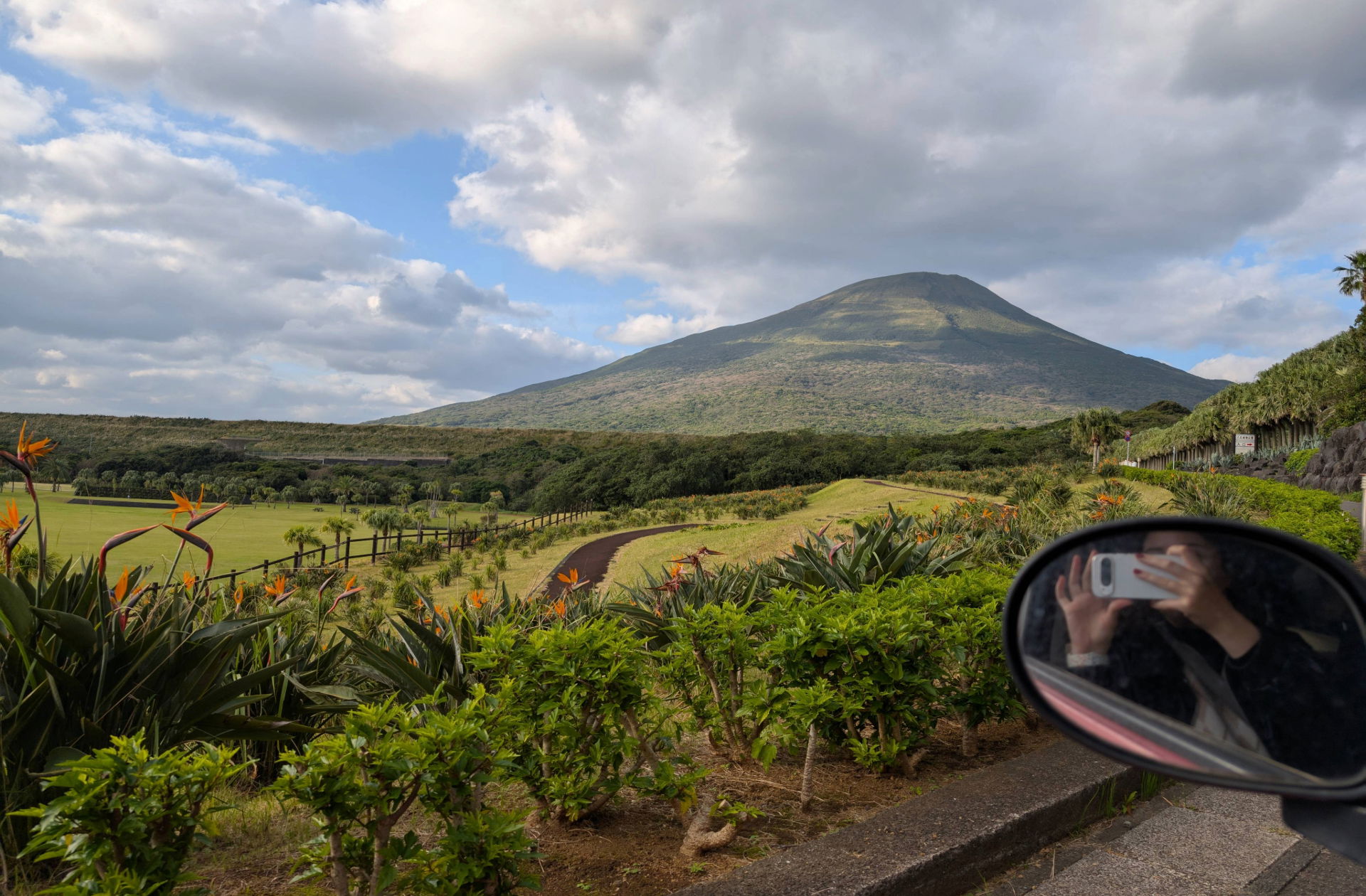
Kung may isang bagay lang na dapat mong malaman tungkol sa Hachijō-jima: ito ang "Hawaii ng Japan," isang tahimik at hindi pa masyadong pinapaunlad na bulkanikong isla na may gubat na parang jungle at mainit-init na onsen, mga 300 kilometro timog ng Tokyo. Pinakamabilis makarating doon via 45-minutong byahe mula Haneda (mga 35,000 yen round trip) o 10-oras na ferry, pero kapag nandoon ka na, kailangan mo talaga ng rental car para ma-explore mo nang maayos ang isla.Ang Hachijō-jima, isang bulkanikong isla, ay matatagpuan mga 300 kilometro sa timog ng Tokyo sa Karagatang Pasipiko at administratibong kabilang sa kapital ng Japan. Ang isla ay bahagi ng Izu Islands at ng Fuji-Hakone-Izu National Park. Ang nagpapaiba sa Hachijō-jima mula sa ibang mga isla sa kadena ng Izu ay ang subtropikal nitong klima at ang bunga nitong makapal, halos gubat na katulad na behetasyon. Nag-aalok ang isla ng natatanging halo ng dalisay na kalikasan, bulkanikong tanawin, nakakarelaks na onsen, at mga cultural attraction.
May kamangha-manghang kasaysayan ang Hachijō-jima. Ipinapakita ng mga archaeological finding na may naninirahan na sa isla noong panahon ng Jōmon (humigit-kumulang 14,000 - 300 BC). Noong panahon ng Edo (1603-1868), nagsilbing lugar ng pagpapapatapon ang isla para sa mga kriminal at political dissident. Isa sa pinakasikat na tinapon ay si Ukita Hideie, isang daimyō na natalo sa Battle of Sekigahara. Hindi napatawad ang kanyang mga inapo hanggang matapos ang Meiji Restoration noong 1869. Ang kasaysayan ng isla bilang lugar ng pagpapapatapon ay humubog sa lokal na kultura at identidad, na nagbibigay sa Hachijō-jima ng natatanging atmospera.
Personal, ako ay lalong namangha sa isla tuwing taglagas, nang ang Tokyo ay nararanasan na ang mas malalamig na temperatura. Ang makapal na mga gubat at magaspang na baybaying tanawin ay nagpapakita ng natatanging charm. Ang nagpapaiba sa Hachijō-jima mula sa ibang mga isla ng kadena ng Izu ay ang mababang antas ng tourist development. Ang mga inabandonang gusali, tulad ng dating Hachijo Royal Hotel, ay saksi sa isang nakaraang tourism boom at nagbibigay sa isla ng kaunting nostalgia at pakikipagsapalaran. Ito mismo ang kontrast sa pagitan ng dalisay na kalikasan at mga bakas ng nakaraang panahon na ginagawang kaakit-akit ang Hachijō-jima para sa akin.
Paano Makarating at Maglibot sa Hachijō-jima
Sa Pamamagitan ng Eroplano papuntang Hachijō-jima
Ang paglalakbay sa pamamagitan ng eroplano ang pinakamabilis at pinaka-maginhawang opsyon. Ang biyahe mula sa Tokyo (Haneda Airport) ay tumatagal lamang ng 45 minuto at nag-aalok ng kamangha-manghang tanawin ng niyebe-takip na Bundok Fuji at mga kalapit na isla. Sa aking biyahe, nasaksihan ko ang isang spectacular na paglubog ng araw sa ibabaw ng ulap at hinangaan ang marangal na Fuji na may niyebe-takip na tuktok. Pinapayagan ng mga modernong smartphone ang mga manlalakbay na makuha ang mga natatanging sandaling ito – tulad ng paglubog ng araw o ang tanawin ng Fuji – sa mahusay na kalidad sa pamamagitan ng mga bintana ng eroplano. Ang pamasahe sa ere ay mga 35,000 Yen kada tao para sa round trip, na medyo makatuwiran para sa espesyal na karanasan sa isla na ito.

Seen from an airplane window, Mount Fuji rises above a thick blanket of clouds at sunset. The volcano's perfectly shaped cone stands in dark silhouette against a sky glowing in soft orange and peach tones, with its lower slopes fading into the hazy cloud layer below. A curved edge of the aircraft's engine is visible in the bottom left corner, confirming the view from the window seat. Wispy clouds catch the warm light overhead, giving the whole scene a calm, golden glow.
Seen from an airplane window, Mount Fuji rises above a thick blanket of clouds at sunset. The volcano's perfectly shaped cone stands in dark silhouette against a sky glowing in soft orange and peach tones, with its lower slopes fading into the hazy cloud layer below. A curved edge of the aircraft's engine is visible in the bottom left corner, confirming the view from the window seat. Wispy clouds catch the warm light overhead, giving the whole scene a calm, golden glow.
Nakikitang teksto sa larawan
No clearly readable text found in the image.
Sa Pamamagitan ng Ferry papuntang Hachijō-jima
Bilang alternatibo sa paglalakbay sa pamamagitan ng eroplano, maabot din ang Hachijō-jima sa pamamagitan ng ferry. Ang mga ferry ay umaalis mula sa Tokyo (Takeshiba Pier) at iba pang mga daungan sa Izu Islands. Ang pagtawid ay tumatagal ng mga 10 oras at nag-aalok ng relaxed na paraan upang makarating sa isla. Ang impormasyon tungkol sa mga koneksyon ng ferry, timetable, at presyo ay matatagpuan sa website ng Tokai Kisen.
Rental Car - Kalayaan at Flexibility sa Hachijō-jima
Agad pagkatapos lumapag sa airport, nagrenta kami ng compact na K-Car mula sa ENEOS Rent a Car. Ang presyo na 5,000 Yen kada araw, kasama ang insurance, ay patas ayon sa pamantayang Hapon. Bagama't hindi na pinakabago ang aming Rental Car (na may halos 99.999 kilometro sa odometer), nagsilbi ito sa layunin nito. Para sa aming apat-na-araw na pananatili, ang kabuuang gastos, kasama ang pag-refuel, ay umabot sa 22,000 Yen. Isang tip: Dahil ang kompanya ng car rental ay nagpapatakbo rin ng gas station, naibalik namin ang kotse na puno ang tangke, kaya hindi na kami nag-alala tungkol sa abala ng pag-refuel bago umalis.
Ang rental car ay halos hindi maiwasan sa Hachijō-jima para sa flexible na paggalugad ng isla. Isa pang plus: Pagkatapos ng isang tawag sa airport, sinundo kami direkta ng rental company, na nakatipid sa amin sa taxi ride.

A small pink kei car, a boxy Japanese mini hatchback, sits parked at night in a rental car lot on Hachijō-jima. The photo is taken from the side at close range, showing its tall windows, roofline rain guards, and simple silver hubcaps with a Nissan logo. A white sign on the wall behind it reads "レンタカー" (rental car) with a phone number, and other sedans in similar reddish shades are parked around it under bright lot lighting. It is exactly the kind of tiny rental you would pick up to loop around the island.
A small pink kei car, a boxy Japanese mini hatchback, sits parked at night in a rental car lot on Hachijō-jima. The photo is taken from the side at close range, showing its tall windows, roofline rain guards, and simple silver hubcaps with a Nissan logo. A white sign on the wall behind it reads "レンタカー" (rental car) with a phone number, and other sedans in similar reddish shades are parked around it under bright lot lighting. It is exactly the kind of tiny rental you would pick up to loop around the island.
Nakikitang teksto sa larawan
レンタカー-あります
TEL 2-2006
Mga Alternatibong Opsyon sa Transportasyon
- Pampublikong Bus: Ang mga bus sa Hachijō-jima ay hindi tumatakbo nang madalas at limitado ang mga ruta. May dalawang linya ng bus: ang "Community Bus Route" ay gumagana sa sentro ng bayan (Okago at Mitsune) at ang "Public Bus Route" ay nag-uugnay sa lahat ng limang lugar ng isla (Mitsune, Okago, Kashitate, Nakanogo, Sueyoshi). Ang mga timetable at impormasyon ng ruta ay makukuha sa website ng Hachijo Town Bus

A white local bus on Hachijō-jima rolls down a sunny street, its side painted with big, playful illustrations of passion fruit and lemons, plus a few small flowers near the front. Japanese characters and the number 156 are printed beside the doors. Behind it stand a low tiled-roof building and tropical greenery under a blue sky with puffy clouds, giving the island its "Japan's Hawaii" feel.
A white local bus on Hachijō-jima rolls down a sunny street, its side painted with big, playful illustrations of passion fruit and lemons, plus a few small flowers near the front. Japanese characters and the number 156 are printed beside the doors. Behind it stand a low tiled-roof building and tropical greenery under a blue sky with puffy clouds, giving the island its "Japan's Hawaii" feel.
Nakikitang teksto sa larawan
八丈島 156
29-19
- E-Bikes: Sa bayan at sa kahabaan ng ilang bahagi ng baybayin, pwedeng magrenta ng e-bikes. Partikular na angkop ang mga ito para sa mas maikling distansya at paggalugad sa mas patag na baybaying lugar. Hindi gaanong inirerekomenda ang mga ito para sa mga maburol na bahagi ng isla.

Three red rental e-bikes stand side by side at a bike-share docking station on a sunny, brick-paved lot. Each bike has a black front basket, a small digital display with a QR code on the handlebars, and a black cover over the rear wheel with stickers and a red reflector. They are the compact, step-through style typical of Japanese city cycles. To the left, a white signboard marks the station: a red bicycle logo, a price of ¥275, the station number 07, and the name of the Kaminato Port parking area in both Japanese and English, identifying the spot as a cycle port on Hachijō-jima. A metal railing and a bit of greenery run behind the bikes.
Three red rental e-bikes stand side by side at a bike-share docking station on a sunny, brick-paved lot. Each bike has a black front basket, a small digital display with a QR code on the handlebars, and a black cover over the rear wheel with stickers and a red reflector. They are the compact, step-through style typical of Japanese city cycles.
To the left, a white signboard marks the station: a red bicycle logo, a price of ¥275, the station number 07, and the name of the Kaminato Port parking area in both Japanese and English, identifying the spot as a cycle port on Hachijō-jima. A metal railing and a bit of greenery run behind the bikes.
Nakikitang teksto sa larawan
八文字島サ
¥275
24
07 神湊港(庁士
駐車場
Kamimato Port (Shokodo) Parking Area
会員登録はアプリから!
バイクシェア アブル
https://docomo-cycle.jp/app_tutorial/
- Taxi: May mga taxi sa isla, ngunit mas mahal ang mga ito kumpara sa rental cars o bus.
Tutuluyan sa Hachijō-jima
Tiny Camp House 月海
Sa aming pananatili, tumuloy kami sa Tiny Camp House 月海. Matatagpuan ang tutuluyan sa isang hiwalay na lugar sa gitna ng mabundok na tanawin sa distrito ng Sueyoshi, mga 30-minutong biyahe mula sa sentro ng bayan at 15 minuto mula sa airport. Ang mga paikot na daan ay ginawa ang biyahe na maging maliit na pakikipagsapalaran araw-araw. Sa malapit na kalapitan ay ang kilalang onsen na Miharashi-no-Yu, na kasamaang-palad ay sarado para sa renovasyon sa aming pagbisita. Ang mapayapang lokasyon ng Tiny Camp House ay nagbigay sa amin ng perpektong retreat pagkatapos ng aming mga day trip. Isang maliit na downside: Dahil sa hiwalay na lokasyon nito sa gitna ng kalikasan, may ilang insekto na naroroon kahit sa hotel. Tingnan sa Google Maps

A cozy little cabin bedroom built around one wide bed with beige bedding. Two rolled-up towels or light blankets sit on the bed, and pillows rest against a dark wall with a rough, black stone texture. A tall paper floor lamp glows beside the head of the bed. On the left, the whitewashed plank wall is covered by a yellow and white striped curtain, a second slim paper lamp stands in front of it, and a door painted in soft pastel patches leads out. Rolled towels in pastel colors wait in a laundry basket on the white plank floor. Everything about the room, from the simple wood construction to the warm lamplight, gives it the feel of a small island retreat like a tiny camp house on Hachijō-jima.
A cozy little cabin bedroom built around one wide bed with beige bedding. Two rolled-up towels or light blankets sit on the bed, and pillows rest against a dark wall with a rough, black stone texture. A tall paper floor lamp glows beside the head of the bed. On the left, the whitewashed plank wall is covered by a yellow and white striped curtain, a second slim paper lamp stands in front of it, and a door painted in soft pastel patches leads out. Rolled towels in pastel colors wait in a laundry basket on the white plank floor. Everything about the room, from the simple wood construction to the warm lamplight, gives it the feel of a small island retreat like a tiny camp house on Hachijō-jima.
Nakikitang teksto sa larawan
No clearly readable text is present in the image.
Iba Pang Tutuluyan sa Hachijō-jima
Bukod sa aming Tiny Camp House, nag-aalok ang Hachijō-jima ng iba't ibang tutuluyan na angkop sa iba't ibang pangangailangan at badyet. Maaaring pumili ang mga manlalakbay mula sa mga hotel, tradisyonal na ryokan ng Hapon, guesthouses, at campsites. Kasama sa ilang sikat na opsyon ang:
- Hachijo View Hotel: Isang hotel na may tradisyonal na ambiance ng Hapon at tanawin ng dagat.
- Hachijojima Park Hotel: Isang hotel malapit sa airport na may komportableng mga kuwarto at restaurant.
- Seadive Dormitory: Isang hostel na may abot-kayang presyo at relaxed na atmospera.
Mga Aktibidad at Atraksyon sa Hachijō-jima
Nag-aalok ang Hachijō-jima ng iba't ibang aktibidad at atraksyon para sa mga mahilig sa kalikasan, mga manggagala, at mga entusiyasta ng kultura. Narito ang ilang highlight na naranasan namin sa aming pananatili:
Pangingisda sa Kahabaan ng Baybayin ng Hachijō-jima
Ang baybayin ng Hachijō-jima ay paraiso para sa mga mangingisda. Sa kahabaan ng mga batong bahagi, nakasalubong namin ang mga lokal at turista na sinusubukan ang kanilang swerte. Lumampas sa aming inaasahan ang iba't ibang uri ng isda. Nakahuli kami ng ilang uri na hindi pa namin nakikita noon.

The photo pairs two night-fishing shots from a harbor on Hachijō-jima. On the left, two freshly caught squirrelfish lie on dark, speckled concrete: one a vivid red with fine white striping along its body and a spiky dorsal fin, the other smaller and more orange-bronze. Both still have their hooks in, with bright red floats and line trailing beside them, and the tip of a rod juts into the frame at the edge. The right half shows the scene the catch came from. A fishing rod leans against the edge of a concrete pier, propped over calm teal water that glows under the harbor lights. A small white boat sits moored across the water near a low seawall lined with streetlights, their reflections shimmering on the surface under a pitch-black sky. Bollards with ropes and a coiled white line sit on the quay in the foreground.
The photo pairs two night-fishing shots from a harbor on Hachijō-jima. On the left, two freshly caught squirrelfish lie on dark, speckled concrete: one a vivid red with fine white striping along its body and a spiky dorsal fin, the other smaller and more orange-bronze. Both still have their hooks in, with bright red floats and line trailing beside them, and the tip of a rod juts into the frame at the edge.
The right half shows the scene the catch came from. A fishing rod leans against the edge of a concrete pier, propped over calm teal water that glows under the harbor lights. A small white boat sits moored across the water near a low seawall lined with streetlights, their reflections shimmering on the surface under a pitch-black sky. Bollards with ropes and a coiled white line sit on the quay in the foreground.
Nakikitang teksto sa larawan
No clearly readable text is present in the image.

A lone fisherman crouches on a dark, jagged volcanic rock ledge above a choppy, glittering sea. He wears a bright yellow bandana and dark clothing and is bent over an open green and white cooler box at his feet, reaching into it with both hands. A fishing rod lies on the rocks beside him. The rest of the frame is filled with wind-ruffled ocean water, its surface streaked with foam and reflected light. The scene is on the rocky coast of Hachijō-jima, a Pacific island south of Tokyo.
A lone fisherman crouches on a dark, jagged volcanic rock ledge above a choppy, glittering sea. He wears a bright yellow bandana and dark clothing and is bent over an open green and white cooler box at his feet, reaching into it with both hands. A fishing rod lies on the rocks beside him. The rest of the frame is filled with wind-ruffled ocean water, its surface streaked with foam and reflected light. The scene is on the rocky coast of Hachijō-jima, a Pacific island south of Tokyo.
Nakikitang teksto sa larawan
No clearly readable text found.

A sweeping panorama from high on a volcanic peak on Hachijō-jima, looking down on the island's rugged coastline. Steep, densely forested green mountains slope toward the Pacific, their ridgelines softening into a hazy, pale sky. A narrow coastal road winds along the base of the cliffs, crossing a long white viaduct that stands out against the dark slopes. Below, a small town of low white and red-roofed buildings spreads across the green valley floor, and a curved breakwater shelters a harbor at the edge of the calm, silvery sea. The soft, warm light suggests early morning or late afternoon, giving the whole scene a quiet, remote island feel.
A sweeping panorama from high on a volcanic peak on Hachijō-jima, looking down on the island's rugged coastline. Steep, densely forested green mountains slope toward the Pacific, their ridgelines softening into a hazy, pale sky. A narrow coastal road winds along the base of the cliffs, crossing a long white viaduct that stands out against the dark slopes. Below, a small town of low white and red-roofed buildings spreads across the green valley floor, and a curved breakwater shelters a harbor at the edge of the calm, silvery sea. The soft, warm light suggests early morning or late afternoon, giving the whole scene a quiet, remote island feel.
Nakikitang teksto sa larawan
No clearly readable text is present in the image.

Two photos side by side show a volcano climb on Hachijō-jima. In the left one, a hiker in a black jacket with a white hood pulled over their head and a small white shoulder bag walks down a narrow dirt path along a grassy ridge. Tall pale grasses lean across the trail, the ocean spreads out hazy below, and a steep green peak closes off the far end of the ridge under a soft blue sky with scattered clouds. The right photo turns toward the mountain itself. Dense green shrubs and broad leaves fill the foreground, and the low sun catches the rocky crest of the crater rim, lighting the ridgeline in warm orange while the slopes below stay in deep green shadow.
Two photos side by side show a volcano climb on Hachijō-jima. In the left one, a hiker in a black jacket with a white hood pulled over their head and a small white shoulder bag walks down a narrow dirt path along a grassy ridge. Tall pale grasses lean across the trail, the ocean spreads out hazy below, and a steep green peak closes off the far end of the ridge under a soft blue sky with scattered clouds.
The right photo turns toward the mountain itself. Dense green shrubs and broad leaves fill the foreground, and the low sun catches the rocky crest of the crater rim, lighting the ridgeline in warm orange while the slopes below stay in deep green shadow.
Nakikitang teksto sa larawan
No clearly readable text found in the image.
Botanical Garden & Aquarium
Ang botanical garden sa Hachijō-jima ay isang ganap na dapat makita para sa bawat bisita. Libre ang pasok, at nag-aalok ang pasilidad ng kahanga-hangang koleksyon ng mga tropikal at subtropikal na halaman. Isang highlight ang mga maamong midget na usa na malayang nag-iikot sa paligid at maaaring obserbahan nang malapitan. Ang mga usa na ito ay isang bihirang species ng dwarf muntjac. Sa katabing aquarium, nahangaan namin ang kamangha-manghang mundong tubig ng isla. Partikular na kaaya-aya ang mga pufferfish habang naglalaro sila sa kanilang mga tangke.

Three photos side by side capture the Hachijō-jima aquarium and botanical garden. On the left, bright magenta bougainvillea blooms spill across a wooden trellis inside a glass-walled greenhouse thick with tropical leaves. The center shot is an underwater close-up of a spotted pufferfish, its huge dark eye and white-dotted body sharp against a blurry seabed of coral rubble and pebbles. The right panel shows the facility's interior: an octagonal hall of warm wooden panels rising to a glass skylight cupola, a raised pool in the middle with two sea turtles resting on a platform, touchscreen display stands in the foreground, framed seascape photos along the walls, and a couple of visitors near a desk at the far end.
Three photos side by side capture the Hachijō-jima aquarium and botanical garden. On the left, bright magenta bougainvillea blooms spill across a wooden trellis inside a glass-walled greenhouse thick with tropical leaves. The center shot is an underwater close-up of a spotted pufferfish, its huge dark eye and white-dotted body sharp against a blurry seabed of coral rubble and pebbles. The right panel shows the facility's interior: an octagonal hall of warm wooden panels rising to a glass skylight cupola, a raised pool in the middle with two sea turtles resting on a platform, touchscreen display stands in the foreground, framed seascape photos along the walls, and a couple of visitors near a desk at the far end.
Nakikitang teksto sa larawan
No clearly readable text found.
Hachijō-Fuji (Mt. Nishi) - Pag-akyat sa Bulkan na may Panoramikong Tanawin
Ang Hachijō-Fuji, na kilala rin bilang Mt. Nishi, ay isang 854-metro-high na bulkan na namumuno sa hilagang-kanlurang tanawin ng isla. Ang pag-akyat sa 1,280 hakbang ay nakakapagod, ngunit ang tanawin mula sa tuktok ay bumubawi sa lahat ng pagsisikap. Ang di-nasamsamang caldera na may mga pond nito at ang Asama Shrine ay naglalabas ng mistikal na atmospera. Ang Hachijō-Fuji ay isang aktibong bulkan na may 10,000-taong kasaysayan. Ang huling pagsabog ay naganap noong 1605. Ang mga seismic activity, tulad ng swarm quakes noong 2002, ay nagpapaalala sa amin ng bulkanikong kalikasan ng bundok.

A two-part photo from a moss-draped forest shrine on Hachijō-jima, the subtropical island south of Tokyo. On the left, a weathered stone torii gate stands crooked and gray, its surfaces furred with lichen, framed by gnarled trees hung with strands of pale green beard lichen. Ferns crowd the base, and a sliver of red-and-gold brocade peeks out from behind the trunk. The right panel shows the shrine's stone pile: dozens of smooth round rocks stacked beside a path paved with dark river stones, many of them hand-painted white with Japanese wishes. One large stone reads 健康 (health), another 彼女 (girlfriend). Above the pile, a rough torii built from unhewn logs leans among the twisted trunks, giving the whole scene the feel of a forgotten shrine reclaimed by the forest.
A two-part photo from a moss-draped forest shrine on Hachijō-jima, the subtropical island south of Tokyo. On the left, a weathered stone torii gate stands crooked and gray, its surfaces furred with lichen, framed by gnarled trees hung with strands of pale green beard lichen. Ferns crowd the base, and a sliver of red-and-gold brocade peeks out from behind the trunk.
The right panel shows the shrine's stone pile: dozens of smooth round rocks stacked beside a path paved with dark river stones, many of them hand-painted white with Japanese wishes. One large stone reads 健康 (health), another 彼女 (girlfriend). Above the pile, a rough torii built from unhewn logs leans among the twisted trunks, giving the whole scene the feel of a forgotten shrine reclaimed by the forest.
Nakikitang teksto sa larawan
健康
彼女
田村
Tamaishi - Isang Paglalakbay Pabalik sa Panahon ng Edo
Ang Tamaishi, mga paikot na pader ng bato mula sa panahon ng Edo (1603-1868), ay isang kamangha-manghang patunay ng kasaysayan ng isla. Mga 2,000 na tinapon ang nagtayo ng mga kahanga-hangang istrukturang ito mula sa mga batong hinulma ng dagat. Ipinapakita ng mga naibalik na pader sa mga pribadong bahay ang tradisyonal na kasanayan sa paggawa noong panahong iyon. Ang bawat bato ay maingat na pinili at manu-manong inilagay.

Two photos side by side show the characteristic stone walls of Hachijō-jima, built from smooth, rounded boulders stacked in neat rows so they look like giant pebbles. In the left photo, a pair of these walls rises on either side of a mossy, grass-covered path that leads up to a dark traditional wooden building. A vertical wooden sign with Japanese characters stands by the entrance, and a cycad and other subtropical greenery frame the scene under a blue sky with a few clouds. The right photo shows a narrow paved lane curving between taller walls of the same round stones, shaded by a dense canopy of trees, with a reddish wooden house half hidden in the foliage further up the slope.
Two photos side by side show the characteristic stone walls of Hachijō-jima, built from smooth, rounded boulders stacked in neat rows so they look like giant pebbles.
In the left photo, a pair of these walls rises on either side of a mossy, grass-covered path that leads up to a dark traditional wooden building. A vertical wooden sign with Japanese characters stands by the entrance, and a cycad and other subtropical greenery frame the scene under a blue sky with a few clouds. The right photo shows a narrow paved lane curving between taller walls of the same round stones, shaded by a dense canopy of trees, with a reddish wooden house half hidden in the foliage further up the slope.
Nakikitang teksto sa larawan
古民家山茶屋
Hachijo Royal Hotel - Isang Lost Place na may Kasaysayan
Ang inabandonang Hachijo Royal Hotel ay simbolo ng nakaraang tourism boom ng isla. Bumukas ang hotel noong 1963 at noon ay isa sa pinakamalalaking hotel sa Japan. Sa French-Baroque style nito, naakit nito ang mga bisita mula sa buong bansa. Gayunpaman, nagtapos ang tourism boom at kailangang isara ang hotel noong 2006. Ngayon, ang sirang pasilidad ay isang sikat na photo spot para sa mga entusiasta ng "Lost Place" at paalala ng hindi permanensya.

The Hachijō Royal Hotel rises behind palm trees under a bright blue sky, a large tiered concrete building that looks long abandoned. Each level steps back from the one below, edged with white balustrade terraces that are streaked with grime and stains. The windows are dark and empty, and at least one opening is boarded over with an orange panel. At the top sits a small octagonal tower crowned by a weathered dome, giving the whole structure a grand but decayed silhouette. Two tall palm trunks cross the frame in front of the facade, and dense green foliage fills the lower corners, so the derelict resort is seen partly through tropical vegetation.
The Hachijō Royal Hotel rises behind palm trees under a bright blue sky, a large tiered concrete building that looks long abandoned. Each level steps back from the one below, edged with white balustrade terraces that are streaked with grime and stains. The windows are dark and empty, and at least one opening is boarded over with an orange panel. At the top sits a small octagonal tower crowned by a weathered dome, giving the whole structure a grand but decayed silhouette. Two tall palm trunks cross the frame in front of the facade, and dense green foliage fills the lower corners, so the derelict resort is seen partly through tropical vegetation.
Nakikitang teksto sa larawan
No clearly readable text is present in the image.
Nanbara Senjojiki - Isang Hike sa Loob ng Lava Field
Ang Nanbara Senjojiki ay isang lava field na humigit-kumulang 500 metro ang haba na matatagpuan sa timog na baybayin ng Hachijō-jima. Ito ay nabuo mga 3,700 taon na ang nakalipas sa pamamagitan ng isang pagsabog ng Higashi-yama volcano. Ang kakaibang tanawin ng itim na lava rock at ang malalim na asul na dagat ay isang nakabibighaning natural na palabas. Mula sa Osaka Tunnel Observation Deck, mayroon kang fantastic na panoramikong tanawin sa lava field at sa kalapit na isla ng Hachijō-Kojima.
Hiking, Diving at Surfing
Bukod sa mga aktibidad na binanggit sa itaas, nag-aalok ang Hachijō-jima ng malawak na hanay ng mga opsyon para sa mga outdoor enthusiast. Maraming hiking trail ang isla na dumadaan sa mga bulkanikong tanawin, makapal na mga gubat, at sa kahabaan ng coastline. Maaaring galugarin ng mga diver at snorkeler ang mayamang mundong tubig ng isla. Ang mainit-init na tubig na nakapaligid sa Hachijō-jima ay tahanan ng mga tropikal na isda, coral, at pawikan. Mahahanap ng mga surfer ang magagandang kondisyon para sa kanilang sport sa kahabaan ng mga baybayin ng isla.

A hiker walks along a grassy ridge on Hachijō-jima, heading away from the camera into warm evening light. The person wears a white hood, dark jacket, and light pants, with a small white bag slung across the back, following a narrow path along the crest of the hill. Tall susuki grass fills the foreground, its feathery plumes glowing gold against dark green shrubs that blanket the slope. A forested volcanic ridge rises to the left, a small pointed peak sits in the middle distance, and the sky opens up in soft blue with scattered clouds. On the right the horizon fades into haze, a hint of the Pacific far below.
A hiker walks along a grassy ridge on Hachijō-jima, heading away from the camera into warm evening light. The person wears a white hood, dark jacket, and light pants, with a small white bag slung across the back, following a narrow path along the crest of the hill.
Tall susuki grass fills the foreground, its feathery plumes glowing gold against dark green shrubs that blanket the slope. A forested volcanic ridge rises to the left, a small pointed peak sits in the middle distance, and the sky opens up in soft blue with scattered clouds. On the right the horizon fades into haze, a hint of the Pacific far below.
Nakikitang teksto sa larawan
No clearly readable text is present in the image.

A Shinto purification basin fills the frame: a large rectangular trough of speckled dark granite, its rim glistening with moisture and dotted with algae. Dark, still water sits inside, reflecting the wood laid across it. Resting on the rim are five wooden ladles, each a shallow cylindrical cup on a long straight handle, arranged so the handles fan out in different directions over the water. Visitors would use these to scoop water for ritual hand and mouth rinsing before approaching a shrine. Behind the basin, pale gravel covers the ground, and thick tree trunks rise with bark softened by moss. Glossy green leaves hang into the top of the frame, giving the scene the shaded, quiet feel of a shrine grove. The setting is a shrine on Hachijō-jima, the forested island off Tokyo in the Pacific.
A Shinto purification basin fills the frame: a large rectangular trough of speckled dark granite, its rim glistening with moisture and dotted with algae. Dark, still water sits inside, reflecting the wood laid across it. Resting on the rim are five wooden ladles, each a shallow cylindrical cup on a long straight handle, arranged so the handles fan out in different directions over the water. Visitors would use these to scoop water for ritual hand and mouth rinsing before approaching a shrine.
Behind the basin, pale gravel covers the ground, and thick tree trunks rise with bark softened by moss. Glossy green leaves hang into the top of the frame, giving the scene the shaded, quiet feel of a shrine grove. The setting is a shrine on Hachijō-jima, the forested island off Tokyo in the Pacific.
Nakikitang teksto sa larawan
No clearly readable text is present in the image.

A long volcanic coastline on Hachijō-jima fills the frame, where steep cliffs layered with dark basalt drop straight into a calm blue-gray sea. The clifftops are covered in dense green trees and shrubs, with exposed reddish and black rock bands running along the base of the slope. At the foot of the cliffs, a shoreline of dark boulders and pebbles curves around a small cove, and gentle waves wash in with a smooth, silky blur on the right side of the frame. Above, puffy white clouds drift across a bright blue sky, giving the whole scene the lush, rugged feel of a subtropical Pacific island.
A long volcanic coastline on Hachijō-jima fills the frame, where steep cliffs layered with dark basalt drop straight into a calm blue-gray sea. The clifftops are covered in dense green trees and shrubs, with exposed reddish and black rock bands running along the base of the slope. At the foot of the cliffs, a shoreline of dark boulders and pebbles curves around a small cove, and gentle waves wash in with a smooth, silky blur on the right side of the frame. Above, puffy white clouds drift across a bright blue sky, giving the whole scene the lush, rugged feel of a subtropical Pacific island.
Nakikitang teksto sa larawan
No clearly readable text is present in the image.
Mga Lokal na Espesyalidad (Meibutsu) - Kulinaryo
Mga Natuklasan sa Hachijō-jima
Nag-aalok ang Hachijō-jima ng hanay ng mga kulinaryong espesyalidad na magpapasaya sa iyong taste buds. Narito ang ilang highlight:
| Ulam | Pangunahing sangkap | Paraan ng paghahanda | Saan ito makukuha? |
|---|---|---|---|
| Sochu | Kamote, bigas | Idinistila | Mga lokal na distillerya, restaurant |
| Iwanori | Uri ng seaweed | Inaani, tinuyo | Mga sushi restaurant, specialty store |
| Shimazushi | Mekajiki (swordfish), Akahata (red grouper), Ishinori (rock nori), dahon ng Ashitaba | Marinated sa soy sauce, inihain sa ibabaw ng bigas | Mga restaurant |
| Kusaya | Maliliit na isda (hal., flying fish) | Asinan, tinuyo, fermented | Mga specialty store, restaurant |
| Budo | Seaweed, tahong, isda, agar-agar | Ginawang jelly | Mga restaurant |
| Sasayo (Isuzumi) | Brass ruff | Inihaw, sashimi | Mga restaurant |
Shochu - Ang Alak ng Isla
Ang Shochu ay isang tradisyonal na alak ng Hapon na gawa sa iba't ibang sangkap tulad ng kamote, bigas, o barley. Sa Hachijō-jima, ang shochu ay pangunahing gawa sa kamote. Ang natatanging kalidad ng tubig ng isla at ang tradisyonal na mga paraan ng distilasyon ay nagbibigay sa Hachijō shochu ng kakaibang lasa. Ang bawat distillerya sa isla ay may sariling recipe na minana sa panahon. Ang shochu ay maaaring tikman nang neat, may yelo, o hinahalo sa tubig.

Rows of brown glass bottles of shochu stand on a store shelf, the local spirit of Hachijō Island. Their white neck labels read "junryō shōchū" and call the drink a specialty of Hachijōjima, and the front labels show a stylized volcano in green with pink flowers around the large calligraphy characters Jūchaku (重椿), the name of the brew. Each bottle carries a green sticker marking it as authentic honkaku shōchū with 25 percent alcohol, and the maker is listed as the Hachijōjima Shuzō brewery. To the right sit taller clear bottles with yellow labels, and to the left a plastic package of dried goods, giving the scene the feel of a small island shop or souvenir aisle.
Rows of brown glass bottles of shochu stand on a store shelf, the local spirit of Hachijō Island. Their white neck labels read "junryō shōchū" and call the drink a specialty of Hachijōjima, and the front labels show a stylized volcano in green with pink flowers around the large calligraphy characters Jūchaku (重椿), the name of the brew. Each bottle carries a green sticker marking it as authentic honkaku shōchū with 25 percent alcohol, and the maker is listed as the Hachijōjima Shuzō brewery. To the right sit taller clear bottles with yellow labels, and to the left a plastic package of dried goods, giving the scene the feel of a small island shop or souvenir aisle.
Nakikitang teksto sa larawan
八丈島名産
醇良焼酎
八丈島酒造合名会社製
本格焼酎
アルコール分 25
25度以上 26度未満
秀醇無比
重椿
原材料名 米(国産)
さつま芋(八丈島)
米こうじ
内容量 1.8
製造者 八丈島酒造合名会社
東京都八丈島八丈町大賀郷 1576
TEL 04996-2-2855
品目 本格焼酎
製造者 八丈興発株式会社
八
2094
Iwanori - Ang Seaweed na may Matinding Lasa
Ang Iwanori ay isang espesyal na uri ng seaweed na inaani direkta sa labas ng baybayin ng Hachijō-jima. Ang matindi nitong, bahagyang maalat na lasa at malutong na tekstura ang nagpapasikat dito bilang sangkap para sa sushi at iba pang putahe. Ang seaweed ay tradisyonal na kinokolekta nang mano-mano at pagkatapos ay tinutuyo.

A big black bowl of hot noodle soup sits on a black lacquered tray, heaped with a tangle of dark green iwa nori, the rock seaweed that Hachijō-jima is known for. Under the seaweed are crispy deep-fried ashitaba leaves, a slice of pink-rimmed fish cake, a piece of fried tofu, and bright green vegetable stems in a dark soy-based broth. Next to the bowl the tray holds a small fluted dish of sliced scallions and cucumber, a shaker of brown seasoning powder, and chopsticks still wrapped in paper. A glass of water and a small glass of green tea stand at the edge of the frame, rounding out a simple, hearty lunch at a casual island restaurant.
A big black bowl of hot noodle soup sits on a black lacquered tray, heaped with a tangle of dark green iwa nori, the rock seaweed that Hachijō-jima is known for. Under the seaweed are crispy deep-fried ashitaba leaves, a slice of pink-rimmed fish cake, a piece of fried tofu, and bright green vegetable stems in a dark soy-based broth. Next to the bowl the tray holds a small fluted dish of sliced scallions and cucumber, a shaker of brown seasoning powder, and chopsticks still wrapped in paper. A glass of water and a small glass of green tea stand at the edge of the frame, rounding out a simple, hearty lunch at a casual island restaurant.
Nakikitang teksto sa larawan
No clearly readable text is present in the image.
Shimazushi - Tradisyonal na Sushi na may Twist ng Isla
Ang Shimazushi ay isang tradisyonal na uri ng sushi na inihahanda gamit ang tatlong katangiang uri ng isda:
- Mekajiki (swordfish): Itinuturing na lokal na delicacy at may banayad, bahagyang matamis na lasa.
- Akahata (red grouper): Kapansin-pansin dahil sa matigas nitong puting laman at delikadong lasa.
- Ishinori (rock nori): Nagdaragdag ng espesyal na haplos sa sushi at bahagyang maalat na lasa.
Bukod pa rito, ang Shimazushi ay inihahanda kasama ang mga dahon ng Ashitaba (kilala sa kanilang mga benepisyo sa kalusugan) at isang espesyal na marinade ng soy sauce. Ang mga piraso ng isda ay marinated at pagkatapos ay inihahain sa mga rice ball. Naiiba ang Shimazushi sa iba pang uri ng sushi sa pamamagitan ng mas matinding lasa nito at paggamit ng mga lokal na sangkap.

A close-up of a black plastic tray of shimazushi, the island-style nigiri from Hachijō-jima. Most pieces are topped with slices of soy-marinated fish, the amber flesh glazed and glistening over rounded mounds of white rice. In the front row, two pieces carry the island's signature topping, a thick black seaweed paste spread across the rice. A small plastic chrysanthemum garnish in yellow and green sits tucked between the pieces. The tray has a gold floral pattern along its edges and rests on a rustic wooden table.
A close-up of a black plastic tray of shimazushi, the island-style nigiri from Hachijō-jima. Most pieces are topped with slices of soy-marinated fish, the amber flesh glazed and glistening over rounded mounds of white rice. In the front row, two pieces carry the island's signature topping, a thick black seaweed paste spread across the rice. A small plastic chrysanthemum garnish in yellow and green sits tucked between the pieces. The tray has a gold floral pattern along its edges and rests on a rustic wooden table.
Nakikitang teksto sa larawan
No clearly readable text is present in the image.
Kusaya - Ang Espesyalidad na Isda na may Matinding Amoy
Ang Kusaya ay isang tradisyonal na espesyalidad na isda na pinapanatili sa pamamagitan ng pag-aasinan, pagtutuyo, at fermentation. Gumagamit ng maliliit na isda, tulad ng flying fish, para sa kusaya. Ang mga isda ay unang nililinis at pagkatapos ay binababad sa isang espesyal na brine ("Kusaya-jiru"). Ang brine na ito, na ipinamamana sa mga henerasyon, ay nagbibigay sa kusaya ng katangian nitong matinding amoy at lasa. Pagkatapos babarin, ang mga isda ay tinutuyo sa araw. Ang kusaya ay madalas iihawin o prituhin at may napakalakas na acquired taste na nagpapaalala sa keso.
Budo - Isang Putaheng Seaweed na may Konsistensyang Jelly
Ang Budo ay isang lokal na putahe na nagsasama-sama ng iba't ibang seafood at seaweed. Ang halo ng algae, tahong, at isda ay pinapayaman ng agar-agar, na nagbibigay sa putahe ng natatanging konsistensyang jelly. Ang Budo ay may sariwang lasa at madalas ihain bilang appetizer o side dish.
Sasayo - Ang Sikat na Kinakain na Isda
Ang Sasayo, na kilala rin bilang Isuzumi (brass ruff), ay isang sikat na kinakain na isda sa Hachijō-jima. Karaniwan itong iniihaw o inihahanda bilang sashimi at pinahahalagahan ng mga mangingisda dahil sa mayaman nitong lasa. Ang Sasayo ay may matigas na puting laman at banayad na lasa.
Sustainability sa Hachijō-jima
Ang Hachijō-jima ay nakatuon sa sustainable tourism at proteksyon ng natural na kapaligiran. Ang mga residente ng isla ay may kamalayan sa kahalagahan ng kanilang natatanging flora at fauna at kasangkot sa iba't ibang proyekto upang protektahan ang kapaligiran at itaguyod ang responsableng turismo. Kasama sa mga inisyatibo ang:
- Proteksyon ng mga pawikan: Ang mga tubig sa paligid ng Hachijō-jima ay isang mahalagang breeding ground para sa mga pawikan. May mga programa na nakatuon sa pagprotekta sa mga pugad at pag-edukasyon sa publiko tungkol sa conservation ng pawikan.
- Pagtataguyod ng eco-tourism: Nag-aalok ng mga ecologically responsableng tour at aktibidad na nagpapakilala sa mga bisita sa kalikasan at kultura ng isla nang hindi binibigatan ang kapaligiran.
- Pagbabawas ng basura at recycling: Nakatuon ang isla sa pagbabawas ng basura at pagtataguyod ng recycling.
Konklusyon - Hachijō-jima: Isang Hindi Malilimutang Karanasan sa Isla
Ang Hachijō-jima ay isang kamangha-manghang destinasyon ng paglalakbay na humahawak sa atensyon sa pamamagitan ng natatanging halo nito ng dalisay na kalikasan, bulkanikong tanawin, cultural attractions, at kulinaryong espesyalidad. Nag-aalok ang isla ng pahingala mula sa pang-araw-araw na buhay at nagbibigay-daan sa iyong lubos na sumisid sa kulturang Hapon. Man ito ay pangingisda, paghiking, pag-relax sa isang onsen, o paggalugad sa mga inabandonang lugar - may maiaalok ang Hachijō-jima para sa lahat.
Ang pinakanagustuhan ko sa Hachijō-jima ay ang kombinasyon ng dalisay na kalikasan at mga bakas ng nakaraan. Ang isla ay hindi kasing-siksik ng iba pang destinasyon ng turista sa Japan at naglalabas ng espesyal na katahimikan at autentisidad. Ang mga pagkikita sa mababait na residente ng isla, ang paggalugad sa bulkanikong tanawin, at ang mga kulinaryong natuklasan ang nagbigay sa paglalakbay na ito ng hindi malilimutang karanasan.
| Aspekto | Paglalarawan |
|---|---|
| Lokasyon | 300 km sa timog ng Tokyo, Karagatang Pasipiko |
| Laki | 63 km² |
| Populasyon | 7,522 (mula noong Marso 2018) |
| Klima | Subtropikal, banayad |
| Pagdating | Eroplano (Haneda Airport), ferry |
| Transportasyon | Rental car, e-bikes, bus, taxi |
| Tutuluyan | Mga hotel, guesthouse, vacation rental |
| Mga Aktibidad | Hiking, pangingisda, diving, snorkeling, onsen, lost places |
| Mga Atraksyon | Hachijō-Fuji, botanical garden, Tamaishi, Hachijo Royal Hotel, Nanbara Senjojiki |
| Espesyalidad | Shochu, Iwanori, Shimazushi, Kusaya, Budo, Sasayo |
Karagdagang Impormasyon at mga Tip para sa mga Manlalakbay
- Panahon ng Paglalakbay: Ang pinakamainam na panahon para bisitahin ang Hachijō-jima ay sa tagsibol o taglagas, kapag ang panahon ay banayad at kaaya-aya.
- Wika: Ang wikang Hapon ang sinasalita sa Hachijō-jima. Limitado ang kakayahan sa Ingles, ngunit makukuha sa karamihan ng mga pasilidad ng turista. Ang ilang taga-isla ay nagsasalita rin ng Hachijō, isang nanganganib na wika na kaugnay ng mga wikang Ryukyuan.
- Pera: Ang pera sa Japan ay ang Japanese Yen (JPY).
- Internet: Available ang Wi-Fi sa karamihan ng mga hotel at ilang cafe.
- Kuryente: Ang boltahe sa Japan ay 100 volts. Kailangan ng adapter para sa mga European device.
- Kalusugan: May ospital sa isla. Inirerekomenda ang travel health insurance.
- Kaligtasan: Ang Hachijō-jima ay isang ligtas na isla na may mababang crime rate.
Mga komento