
Talaan ng nilalaman:
TL;DR
Ang Soba ay mga pansit na gawa sa buckwheat na harina, at mas mura pero medyo malabnaw ang lasa kapag may halong regular na trigo. Kadalasan itong kinakain mainit sa sabaw o malamig na nilulunok sa sauce gamit ang chopsticks. Bonus tip: may tradisyon sa Japan na kumain ng Soba bago mag-Bagong Taon para daw swerte sa pera sa bagong taon.Soba – Hapon na Noodles na Buckwheat
Ang mga noodle na Soba ay gawa sa buckwheat flour, na minsan ay hinaluan ng karaniwang trigo. Ang Ju-wari Soba ay gawa sa 100% buckwheat at samakatuwid ay ang pinakamahal, ngunit pinaka-aromatikong variety ng Soba. Ang bahagyang mas karaniwang bersyon, ang Hachiwari-Soba, ay gawa sa 80% buckwheat at 20% karaniwang trigo at bahagyang mas subtle sa lasa, ngunit siyempre mas mura rin. May mga variety rin na may mas mababang buckwheat content at kaya't mas mura pa. Ang mga ito ay pangunahing ginagamit sa mga fast food restaurant, kung saan makukuha ang Soba sa halagang humigit-kumulang 2 hanggang 5 euros.
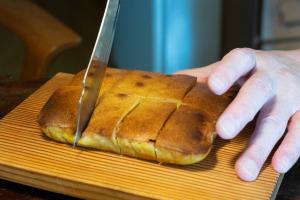
A rectangular buckwheat cake with a golden brown, slightly domed top sits on a wooden cutting board as a large kitchen knife slices down through it. Cuts already made divide the dense cake into even portions, and a hand at the right of the frame steadies it against the board. The dark, blurred background keeps all the attention on the slicing.
A rectangular buckwheat cake with a golden brown, slightly domed top sits on a wooden cutting board as a large kitchen knife slices down through it. Cuts already made divide the dense cake into even portions, and a hand at the right of the frame steadies it against the board. The dark, blurred background keeps all the attention on the slicing.
Nakikitang teksto sa larawan
No clearly readable text is present in the image.
Paano kinakain ang Soba?
Ang pinakakaraniwang putahe ay ang Kake-Soba. Dito, ang mga noodle ay inihahain nang mainit sa isang sabaw na tinatawag na "Dashi". Ang sabaw na ito ay gawa sa tuna flakes, isang algae, Kombu, Mirin (Hapon na rice wine) at Shoyu (Hapon na soy sauce) at kadalasang hinahainan ng tinadtad na spring onions. Ang Kake-Soba ay madalas kainin tuwing taglamig. Karaniwan itong inihahain kasama ang Wasabi (kadalasang bilang sariwang ugat na maaari mong kudkutin mismo) at luya.
Ang isang pangalawang karaniwang variant ay ang Zulu-Soba. Dito, ang mga Soba noodles ay inihahain sa isang bamboo grid. May hiwalay na mangkok para sa malamig na sabaw. Ang Soba ay kinukuha gamit ang chopsticks, idinidip sa sabaw at pagkatapos ay direktang kinakain. Siyempre, gaya ng lagi sa Japan, may pagsubo nang may tunog. Madalas ding samahan ng Tempura ang Soba.
Sa totoo lang: Ang bawat subong kinukuha gamit ang chopsticks ay dapat kainin nang buo. Ang mga nakasabit na noodle ay itinuturing na napakarude.
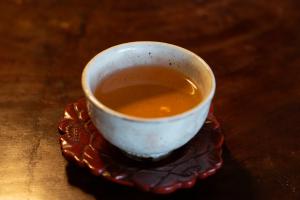
A small white ceramic cup filled with clear amber tea sits on a carved, deep reddish-brown lacquered coaster. The warm light catches the surface of the liquid, suggesting a cup of soba or buckwheat tea, served in the traditional Japanese style. The dark wood table around it falls into shadow, keeping all attention on the cup and its glowing contents.
A small white ceramic cup filled with clear amber tea sits on a carved, deep reddish-brown lacquered coaster. The warm light catches the surface of the liquid, suggesting a cup of soba or buckwheat tea, served in the traditional Japanese style. The dark wood table around it falls into shadow, keeping all attention on the cup and its glowing contents.
Nakikitang teksto sa larawan
No clearly readable text is present in the image.
Makukulay na mga variation
Mayroon ding Cha-Soba, o "Green Tea Soba". Ang nota ng green tea ay napakasuble sa lasa, ngunit berde ang Sobang ito. Mayroon ding Ume-Soba, na gumagamit ng pinaasim na pulang Ume plum na nagbibigay sa Soba ng bahagyang rosas na kulay. Ang mismong buckwheat ay talaga namang abuhin na may itim na batik. Ang isang popular na tradisyong Hapones ay ang pagkain ng Soba bago ang simula ng bagong taon. Ito ay tinatawag na Toshikoshi-Soba at sinasabing nagdadala ng financial luck sa bagong taon. Kumakain din kami ng Soba tuwing Bagong Taon sa aming pamilya!
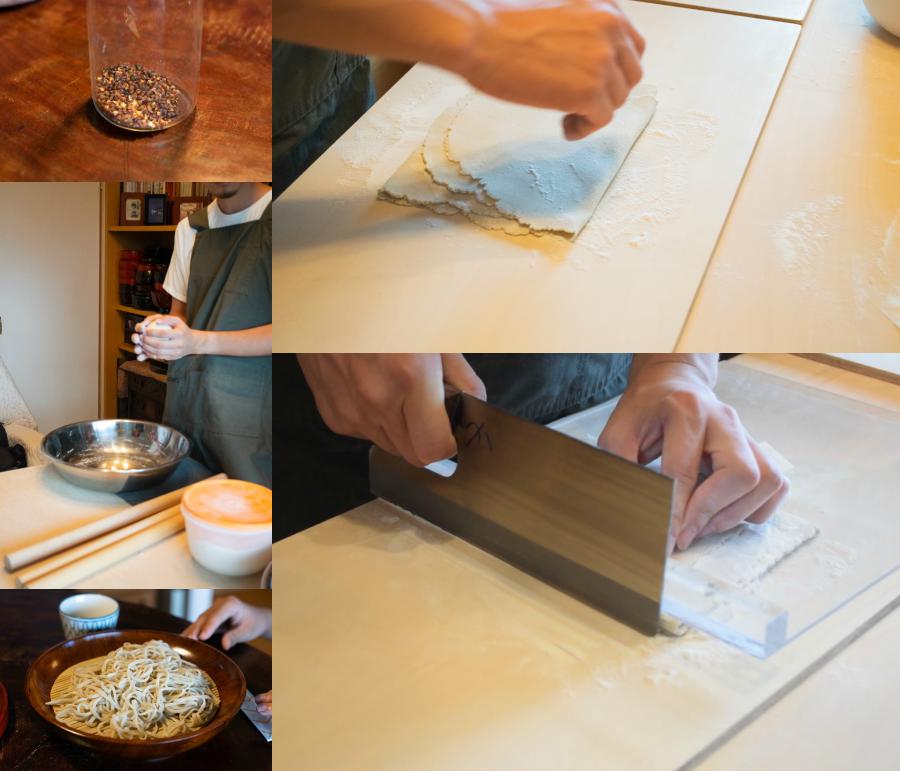
A four-photo collage documents the process of making soba, Japanese buckwheat noodles, by hand at home. The left column runs top to bottom through the stages. A small glass jar holds raw buckwheat groats on a wooden table. Below it, a man in a green apron over a white t-shirt kneads dough with his hands, a stainless steel mixing bowl, a wooden rolling pin, and a container of dusting flour arranged on the counter in front of him. At the bottom, the finished dish: a generous mound of pale grey noodles served on a bamboo draining basket set inside a dark wooden bowl, with a small ceramic cup alongside. The tall right column shows two close-ups of the noodle work: hands handling a folded, flour-dusted sheet of dough on a wooden board, then slicing the dough into thin strands with a long rectangular soba knife, using a wooden guide to keep the cuts even.
A four-photo collage documents the process of making soba, Japanese buckwheat noodles, by hand at home.
The left column runs top to bottom through the stages. A small glass jar holds raw buckwheat groats on a wooden table. Below it, a man in a green apron over a white t-shirt kneads dough with his hands, a stainless steel mixing bowl, a wooden rolling pin, and a container of dusting flour arranged on the counter in front of him. At the bottom, the finished dish: a generous mound of pale grey noodles served on a bamboo draining basket set inside a dark wooden bowl, with a small ceramic cup alongside. The tall right column shows two close-ups of the noodle work: hands handling a folded, flour-dusted sheet of dough on a wooden board, then slicing the dough into thin strands with a long rectangular soba knife, using a wooden guide to keep the cuts even.
Nakikitang teksto sa larawan
No clearly readable text found in the image.
Kung paano ito ginagawa - Sumali ako sa isang Soba course
Ito ang isa pang Japanese course na nahanap ng aking ina para sa akin. Sa totoo lang, sumali rin ako sa isang Miso course! May iba't ibang Japanese online portals kung saan ang mga pribadong indibidwal ay maaaring mag-alok ng iba't ibang uri ng serbisyo. Kasama rito ang mga cooking course, na sikat sa mga housewife at mga bata. Ang Soba course na ito ay aksidenteng pinangunahan ng isang Hapones na nag-aral sa Germany at kaya nagsasalita ng German!
Sa simula ng course, unang inihain sa amin ang Soba at nakita namin kung paano ito inihahanda. Uminom kami ng Soba tea, na gawa sa inihaw na buckwheat. Mayroon din masarap na buckwheat cake na tinirik ng asawa ng aming instructor para sa amin.
Pagkatapos, gumawa kami ng aming sariling Soba: pagmamasa ng dough, pagpapapatag nito at pagputol nito sa hugis ng mga noodle. Ang Soba talaga ay dapat putulin nang napakanipis at pantay-pantay - hindi ganoon kadaling gawin! Ang mas makapal na bahagi ng aking Soba ay talaga namang may ibang lasa kumpara sa propesyonal na pinutol na Soba - ngunit gayunpaman, ang course ay isang napaka-interesante at napaka-informatibong karanasan para sa akin!
Mga komento