
สารบัญ:
ทุกประเทศต่างก็มีบรรทัดฐานและขนบธรรมเนียมของตนเอง แม้กระทั่งในญี่ปุ่น ก็มีกฎเกณฑ์บางอย่างในชีวิตประจำวันที่คนท้องถิ่นถือว่าเป็นเรื่องปกติ แต่สำหรับนักท่องเที่ยวอาจดูแปลกและไม่คุ้นเคย
เราได้คัดสรร faux pas ที่สำคัญที่สุด ที่คุณควรหลีกเลี่ยงอย่างเด็ดขาด หากไม่อยากให้ตัวเองดูไม่น่าพึงพอใจในญี่ปุ่น ในฐานะนักท่องเที่ยว แน่นอนว่าจะไม่ร้ายแรงมากนักหากคุณไม่ได้ทำสิ่งใดตามธรรมเนียมของญี่ปุ่น ชาวบ้านก็ทราบเรื่องนี้ดี อย่างไรก็ตาม เราขอแนะนำให้คุณยึดถือกฎต่อไปนี้ให้มากที่สุดเท่าที่จะทำได้ เนื่องจากนี่คือพฤติกรรมปกติในญี่ปุ่น
เราได้แบ่ง faux pas ออกเป็นหมวดหมู่ ได้แก่ มารยาทบนโต๊ะอาหาร ที่สาธารณะ ธุรกิจ/งาน และสถานการณ์อื่นๆ ที่เกิดขึ้นได้
หากคุณรู้จัก faux pas อื่นๆ หรือกฎเกณฑ์ทั่วไปของญี่ปุ่น โปรดอย่าลังเลที่จะเขียนมาบอกเรา!
มารยาทบนโต๊ะอาหาร
ชาวญี่ปุ่นให้ความสำคัญกับความสุภาพและมารยาทที่ดีเป็นอย่างมากเมื่อรับประทานอาหาร คุณควรศึกษากฎเกณฑ์บางประการเพื่อให้ได้รับการยอมรับในมื้ออาหารในญี่ปุ่น เราได้สร้างโพสต์ที่อุทิศให้กับมารยาทบนโต๊ะอาหารในญี่ปุ่นโดยเฉพาะ ซึ่งน่าจะหมายความว่าคุณควรระมัดระวังเป็นพิเศษที่โต๊ะอาหาร!

ที่สาธารณะ
นี่อาจเป็นพื้นที่ที่คุณจะดูโดดเด่นในทางที่ไม่น่าพึงพอใจที่สุด เนื่องจากคุณอยู่บนท้องถนนท่ามกลางผู้คนจำนวนมาก การขนส่งสาธารณะก็อยู่ในหัวข้อนี้เช่นกัน ซึ่งมีกฎที่ไม่ได้เขียนไว้ด้วย เรายังได้เพิ่มคำแนะนำบางประการสำหรับการปฏิสัมพันธ์กับผู้อื่น
- การเรียกชื่อ: จะเติม "san" ต่อท้ายชื่อของผู้อื่น แต่ห้ามเติมกับชื่อของตัวเอง!
- การทักทาย: ก้มตัวเล็กน้อยโดยให้หลังตรง
- อย่ามาสายในการนัดหมาย! การมาเร็วเกินไปก็ไม่เหมาะสมเช่นกัน หากคุณมาสาย อย่าลืมแจ้งให้ใครสักคนทราบทันที!
- อย่าแสดงอารมณ์ออกมา! รักษาความสงบเสงี่ยมหากมีเรื่องน่ารำคาญเกิดขึ้น อย่าส่งเสียงดัง ตะโกน หรือทำท่าทางชัดเจน
- อย่าชี้คนด้วยนิ้ว! หากจำเป็นต้องชี้ ให้ชี้ด้วยฝ่ามือทั้งมือ
- อย่าสั่งน้ำมูกในที่สาธารณะ! และหากต้องจาม ควรกลั้นไว้จะดีที่สุด
- อย่ารับประทานอาหารบนท้องถนนหรือบนขนส่งสาธารณะ
- อย่ารับประทานอาหารขณะเดิน! มื้ออาหารเป็นสิ่งศักดิ์สิทธิ์สำหรับชาวญี่ปุ่น
- ห้ามทิ้งขยะลงพื้นอย่างเด็ดขาด!
- ล้างมือให้บ่อยที่สุดเท่าที่จะทำได้! โดยเฉพาะก่อนและหลังใช้ห้องน้ำ
- เมื่อใช้ห้องน้ำสาธารณะ ให้ใช้เครื่องเล่นเพลง/เสียงที่จัดเตรียมไว้หรือกดชักโครกหากมีเสียงที่ไม่พึงประสงค์เกิดขึ้น ปิดฝาโถส้วมหลังใช้งาน
- อย่าปลดปล่อยปัสสาวะกับต้นไม้หรือผนังบ้าน!
- faux pas ต่อไปนี้ใช้กับการขนส่งสาธารณะในญี่ปุ่น:
- ห้ามวางรองเท้าบนที่นั่ง
- อย่าวางสัมภาระกีดขวางที่นั่ง
- ห้ามคุยโทรศัพท์เสียงดังและห้ามตั้งเสียงเรียกเข้าโทรศัพท์ดัง
- อย่าเบียดเสียด (แซงหน้า)
- ถือเป้สะพายหลังไว้ ด้านหน้า ตัวคุณ ไม่ใช่สวมไว้ด้านหลัง (เช่น บนรถไฟ) มิฉะนั้นคุณจะกินพื้นที่มากเกินไป!
- หากคุณใช้บริการแท็กซี่ญี่ปุ่น: ประตูแท็กซี่ญี่ปุ่นจะเปิดอัตโนมัติ ดังนั้นอย่าพยายามเปิดเอง! นอกจากนี้ โดยปกติแล้วจะไม่ให้ทิป
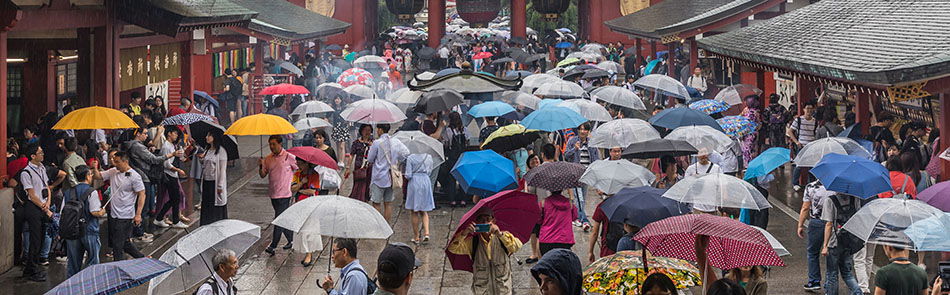
A dense crowd fills a wide temple approach in Japan on a rainy day, with dozens of umbrellas in clear plastic, blue, red, yellow, and patterned designs jostling for space over the wet stone path. The street is lined with traditional red wooden buildings topped by grey tiled roofs, and large red paper lanterns hang overhead in the distance, marking this as a major shrine or temple precinct. Visitors in casual summer clothes walk in both directions or pause at the shop stalls along the left side, where a bright yellow umbrella and smoke from incense stand out against the red architecture. The packed street captures the bustle of a popular sightseeing spot, the kind of crowded public space where etiquette matters most.
A dense crowd fills a wide temple approach in Japan on a rainy day, with dozens of umbrellas in clear plastic, blue, red, yellow, and patterned designs jostling for space over the wet stone path. The street is lined with traditional red wooden buildings topped by grey tiled roofs, and large red paper lanterns hang overhead in the distance, marking this as a major shrine or temple precinct. Visitors in casual summer clothes walk in both directions or pause at the shop stalls along the left side, where a bright yellow umbrella and smoke from incense stand out against the red architecture. The packed street captures the bustle of a popular sightseeing spot, the kind of crowded public space where etiquette matters most.
ข้อความที่ปรากฏในภาพ
No clearly readable text.
บ้านของคนญี่ปุ่น
ในกรณีที่คุณได้รับเชิญไปที่บ้านของคนท้องถิ่นระหว่างการเดินทาง ก็มีกฎเกณฑ์ที่คุณควรทราบเช่นกัน นี่เป็นเรื่องสำคัญมาก เนื่องจากเกี่ยวข้องกับความเป็นส่วนตัวของผู้คน! นี่คือจุดที่คุณอาจทำ faux pas ได้มากมายจริงๆ!
- ประการแรก: ถอดรองเท้า! จากนั้นวางรองเท้าโดยให้ปลายรองเท้าหันไปทางประตูหน้า
- คุณควรอาบน้ำให้สะอาดอย่างทั่วถึงก่อนแช่น้ำ เนื่องจากน้ำในอ่างใช้ร่วมกันทั้งครอบครัวเพื่อการผ่อนคลาย ไม่ใช่เพื่อการทำความสะอาด
- อย่าแสดงความสนใจเป็นพิเศษต่อสิ่งของในบ้านโดยตรง เนื่องจากจะถูกมองว่าเป็นการบังคับให้มอบของขวัญ
-
หากคุณได้รับเชิญไปที่บ้านส่วนตัว คุณควรนำของขวัญเล็กๆ ไปด้วย:
- บรรจุภัณฑ์ที่สวยงามเป็นสิ่งสำคัญ!
- ของขวัญไม่ควรมีราคาแพงเกินไป
- สีขาวเป็นสีของการไว้ทุกข์ในญี่ปุ่น ดังนั้นของขวัญไม่ควรห่อด้วยกระดาษสีขาวหรือตกแต่งด้วยริบบิ้นสีขาว ดอกไม้สีขาวก็เป็นสิ่งต้องห้ามเช่นกัน!
- อย่าให้ไพ่ควอร์เทต มีด หรือกรรไกร! ควรนำของที่ดู kitschy แบบทั่วไปมาให้จะดีที่สุด
- สุดท้าย ของขวัญควรมอบด้วยสองมือ
- อย่านั่งลงโดยที่ยังไม่ได้รับอนุญาต! รอจนกว่าเจ้าภาพจะอนุญาต
- อย่าเข้าห้องที่ปูด้วยเสื่อทาตามิโดยสวมรองเท้าในบ้าน
- อย่าเดินไปทั่วบ้านด้วยรองเท้าแตะสำหรับห้องน้ำ มีรองเท้าแตะพิเศษสำหรับบริเวณห้องส้วมและรองเท้าเหล่านี้ควรอยู่แค่ที่นั่น นอกจากนี้ คุณไม่ควรไปห้องส้วมโดยสวมเพียงถุงเท้า และหลังใช้ห้องน้ำแล้ว คุณควรปิดฝาโถส้วม
- รอจนกว่าเจ้าภาพจะเทเครื่องดื่มให้ อย่ารับใช้ตัวเอง!
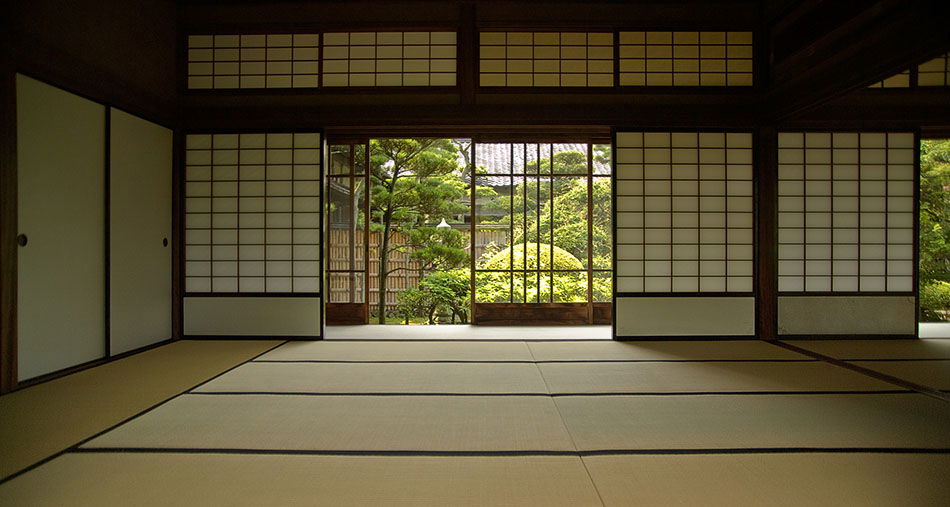
An empty traditional Japanese room floored with tatami mats in pale green-gold, their dark cloth edges forming clean lines across the floor. Sliding shoji doors with paper panels and dark wooden latticework line the walls, and a pair in the center stands open, framing a view of a garden with a sculpted pine, dense shrubs, and the tiled roof of a neighboring building. The room's dark wood beams and dim interior contrast with the bright greenery outside, giving the space a quiet, spare feel.
An empty traditional Japanese room floored with tatami mats in pale green-gold, their dark cloth edges forming clean lines across the floor. Sliding shoji doors with paper panels and dark wooden latticework line the walls, and a pair in the center stands open, framing a view of a garden with a sculpted pine, dense shrubs, and the tiled roof of a neighboring building. The room's dark wood beams and dim interior contrast with the bright greenery outside, giving the space a quiet, spare feel.
ข้อความที่ปรากฏในภาพ
No clearly readable text is present in the image.
เรื่องธุรกิจ
หากคุณเดินทางไปญี่ปุ่นเพื่อธุรกิจ คุณควรประพฤติตนอย่างมืออาชีพ เพื่อสร้างความประทับใจให้กับคู่ธุรกิจของคุณ ควรพิจารณาประเด็นต่อไปนี้
- นามบัตรควรได้รับการจัดการอย่างระมัดระวัง: ควรมอบและรับด้วยสองมือ ห้ามจดโน้ตลงบนนามบัตรและอย่าพับหรือทำให้สกปรก
- หากคุณมีการประชุมธุรกิจ อย่าลืมสวมสูทและเนคไท ห้ามสวมเสื้อผ้าแบบพักผ่อน! สำหรับผู้หญิง แน่นอนว่าไม่จำเป็นต้องสวมสูทและเนคไท เพียงสวมชุดทำงานของคุณ!
- การทักทายไม่ควรจับมือแน่นเกินไป มิฉะนั้นอีกฝ่ายจะคิดว่าคุณต้องการเหนือกว่าเขา
- ในการสนทนากับคู่ธุรกิจ ควรหลีกเลี่ยงการสบตาโดยตรง ควรมองที่จมูกหรือหน้าผากจะดีที่สุด
- คุณไม่ควรแสดงคำวิจารณ์โดยตรงเด็ดขาด โดยทั่วไปสิ่งนี้ไม่เป็นที่ยอมรับในญี่ปุ่น!
- โทรศัพท์มือถือวางไว้เปิดให้เห็นบนโต๊ะและปิดเสียงระหว่างการประชุม นอกจากนี้จะถือว่าไม่สุภาพ!
- หลังการประชุม คุณควรกล่าวขอบคุณคู่ธุรกิจทางอีเมล/ข้อความภายใน 24 ชั่วโมงสำหรับการสละเวลาในการประชุม อนึ่ง สิ่งนี้เหมาะสมในเรื่องส่วนตัวเช่นกัน โดยทั่วไปการสร้างเครือข่ายมีความสำคัญมากในญี่ปุ่น!
สถานการณ์อื่นๆ
ที่นี่คุณจะพบ faux pas บางอย่างที่อาจทำให้คุณเสียหายในสถานการณ์ต่างๆ! การได้รับข้อมูลเกี่ยวกับเรื่องนี้ย่อมไม่เสียหายแน่นอน
- เลข "สี่" นำมาซึ่งความโชคร้าย ไม่ควรออกเสียง! เลขนี้ออกเสียงว่า "shi" ซึ่งยังหมายถึง "ความตาย" ด้วย
- คำว่า "ไม่" ควรหลีกเลี่ยงการใช้จะดีกว่า เนื่องจากเป็นสัญญาณของการปฏิเสธโดยตรง
- คุณควรขอโทษบ่อยๆ! ดังนั้นหากคุณคิดว่าคุณทำอะไรผิด การพูดว่า "Sumimasen" จะดีที่สุด ใช้ได้กับทุกสถานการณ์!
- การสัมผัสร่างกายเป็นสิ่งที่ไม่พึงประสงค์ในญี่ปุ่น: ควรเลี่ยงการจับมือ กอด หรืออื่นๆ ยกเว้นในการประชุมธุรกิจ ตามที่อธิบายไว้ข้างต้น
- หากคุณดื่มชาเขียวที่ไหนสักแห่ง คุณไม่ควรเติมนมหรือน้ำตาล
- อย่าเถียง! ไม่ว่าจะกับคนท้องถิ่นหรือเพื่อนร่วมเดินทาง เพราะชาวญี่ปุ่นไม่ชอบความขัดแย้งที่เปิดเผย คุณควรกลั้นความรู้สึกส่วนตัวให้มากที่สุดเท่าที่จะทำได้!
- หากคุณได้รับเชิญไปที่บาร์คาราโอเกะ คุณไม่ควรปฏิเสธคำเชิญนี้เด็ดขาดไม่ว่าในกรณีใด! ชาวญี่ปุ่นรักค่ำคืนคาราโอเกะ! เพลงพื้นบ้านเยอรมันก็ได้รับการต้อนรับที่นั่น
- ฟังดูแปลกเท่าไรก็ตาม ไม่ควรให้คำชมโดยตรง คุณสามารถแสดงคำชมโดยอ้างถึงจุดอ่อนของตัวเอง การขอคำแนะนำจากอีกฝ่ายเป็นตัวอย่างที่ดีเยี่ยม!
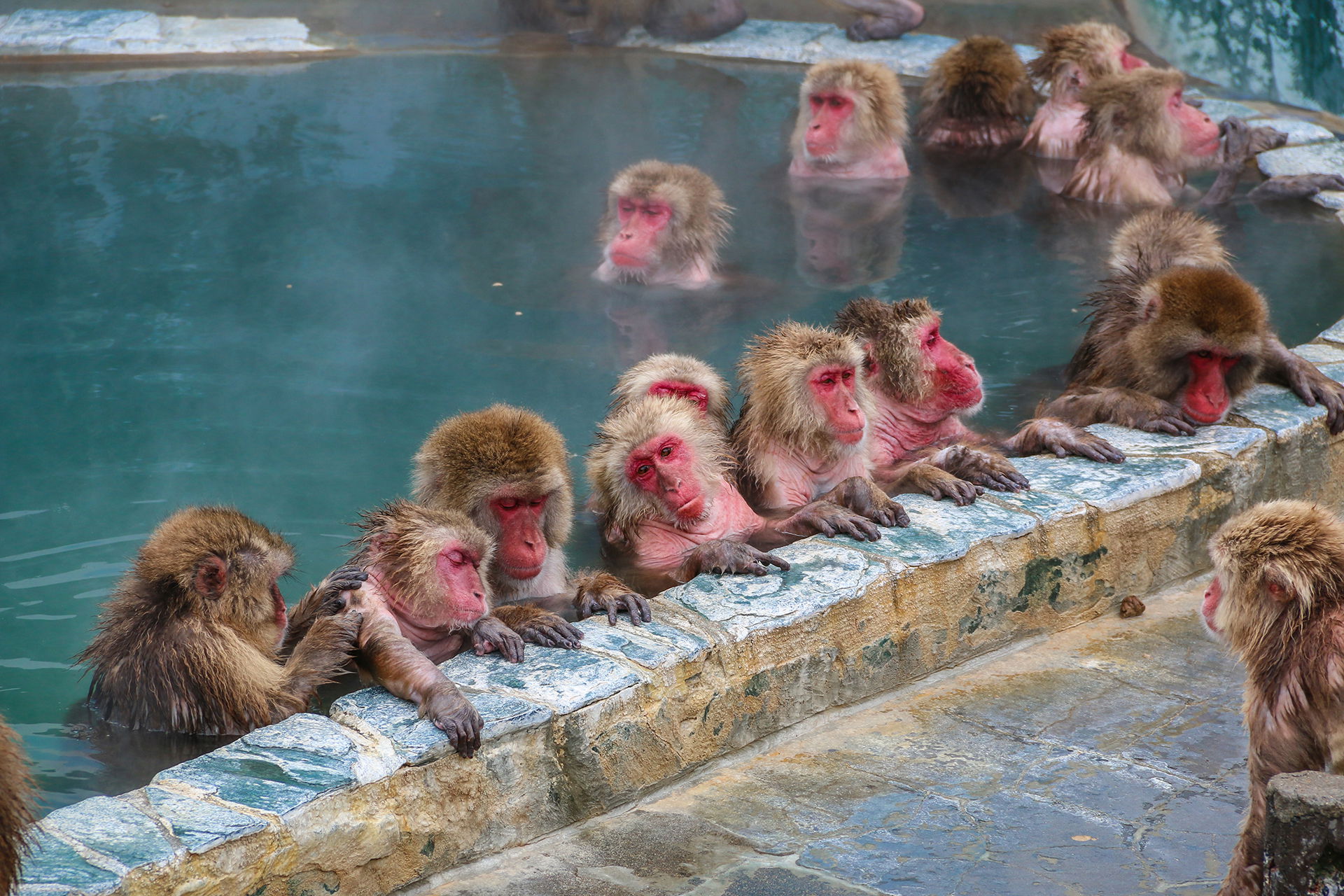
- น้ำพุร้อนหรือการแช่น้ำร้อนเป็นที่นิยมมากในญี่ปุ่น: สิ่งเหล่านี้เรียกว่า "Onsen" คุณควรอาบน้ำให้คนอื่นเห็นอย่างชัดเจนก่อนลงแช่ Onsen แต่เราได้เขียนบทความแยกเกี่ยวกับเรื่องนี้ ซึ่งเชื่อมโยงอยู่ด้านล่าง
ความคิดเห็น