สารบัญ:
TL;DR
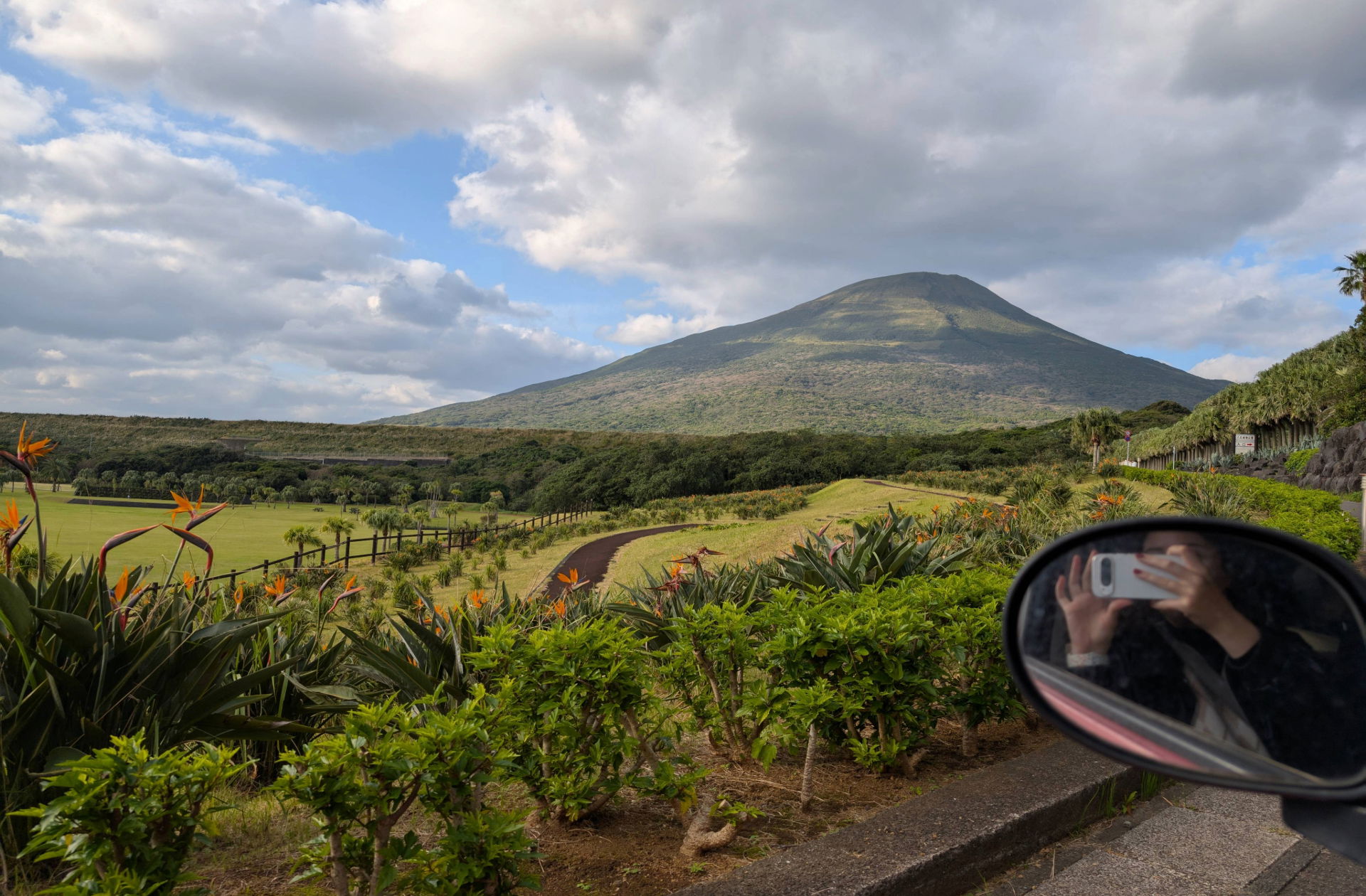
ฮาจิโจจิมะคือเกาะภูเขาไฟสายซับทรอปิคัลในหมู่เกาะอิซุ ห่างจากโตเกียวแค่บิน 45 นาที (ราว 35,000 เยนไปกลับ) หรือจะขึ้นเรือเฟอร์รี่ 10 ชั่วโมงก็ได้ จุดขายคือธรรมชาติดิบๆ ป่าเขียวสไตล์ "ฮาวายญี่ปุ่น" บวกออนเซ็นและบรรยากาศเก่าๆ ที่นักท่องเที่ยวยังไม่พลุกพล่าน ถ้าจะไปเที่ยวต้องเช่ารถเลย เพราะรถบัสน้อยและเส้นทางจำกัด การเช่ารถ K-Car ราว 5,000 เยนต่อวันทำให้เที่ยวเกาะได้สะดวกที่สุดฮาจิโจ-จิมะ เกาะภูเขาไฟ ตั้งอยู่ห่างจากโตเกียวไปทางใต้ประมาณ 300 กิโลเมตรในมหาสมุทรแปซิฟิก และอยู่ภายใต้การปกครองของเมืองหลวงญี่ปุ่น เกาะแห่งนี้เป็นส่วนหนึ่งของหมู่เกาะอิซุและอุทยานแห่งชาติฟูจิ-ฮาโกเนะ-อิซุ สิ่งที่ทำให้ฮาจิโจ-จิมะแตกต่างจากเกาะอื่นๆ ในหมู่เกาะอิซุคือภูมิอากาศแบบกึ่งเขตร้อน ซึ่งทำให้เกิดพืชพันธุ์เขียวชอุ่มแทบเป็นป่าดิบ เกาะแห่งนี้นำเสนอการผสมผสานที่ไม่เหมือนใครระหว่างธรรมชาติอันบริสุทธิ์ ทัศนียภาพภูเขาไฟ onsen ที่ผ่อนคลาย และแหล่งท่องเที่ยวทางวัฒนธรรม
ฮาจิโจ-จิมะมีประวัติศาสตร์ที่น่าหลงใหล หลักฐานทางโบราณคดีแสดงให้เห็นว่าเกาะแห่งนี้มีผู้อยู่อาศัยมาตั้งแต่ยุคโจมง (ประมาณ 14,000 - 300 ปีก่อนคริสตกาล) ในช่วงยุคเอโดะ (1603-1868) เกาะแห่งนี้ถูกใช้เป็นสถานที่เนรเทศอาชญากรและผู้คัดค้านทางการเมือง หนึ่งในผู้ถูกเนรเทศที่มีชื่อเสียงที่สุดคืออุกิตะ ฮิเดเอะ ไดเมียวผู้พ่ายแพ้ในยุทธการเซกิงาฮาระ ลูกหลานของเขาได้รับการอภัยโทษก็ต่อเมื่อหลังการฟื้นฟูยุคเมจิในปี 1869 ประวัติศาสตร์ของเกาะในฐานะสถานที่เนรเทศได้หล่อหลอมวัฒนธรรมและอัตลักษณ์ท้องถิ่น ทำให้ฮาจิโจ-จิมะมีบรรยากาศเฉพาะตัว
ส่วนตัวแล้ว ฉันรู้สึกหลงใหลเกาะแห่งนี้เป็นพิเศษในฤดูใบไม้ร่วง ช่วงที่โตเกียวเริ่มมีอากาศเย็นลงแล้ว ป่าไม้เขียวชอุ่มและภูมิประเทศชายฝั่งที่ขรุขระส่งเสน่ห์อันเป็นเอกลักษณ์ สิ่งที่ทำให้ฮาจิโจ-จิมะแตกต่างจากเกาะอื่นๆ ในหมู่เกาะอิซุคือระดับการพัฒนาการท่องเที่ยวที่ยังต่ำ อาคารร้าง เช่น อดีต Hachijo Royal Hotel เป็นพยานถึงความรุ่งเรืองของการท่องเที่ยวในอดีต และให้ความรู้สึกโหยหาอดีตและการผจญภัยแก่เกาะแห่งนี้ ความต่างระหว่างธรรมชาติอันบริสุทธิ์กับร่องรอยแห่งอดีตนี่เองที่ทำให้ฮาจิโจ-จิมะน่าดึงดูดใจสำหรับฉัน
การเดินทางไปฮาจิโจ-จิมะและการเดินทางภายในเกาะ
เดินทางโดยเครื่องบินไปฮาจิโจ-จิมะ
การเดินทางโดยเครื่องบินเป็นตัวเลือกที่เร็วที่สุดและสะดวกที่สุด เที่ยวบินจากโตเกียว (ท่าอากาศยานฮาเนดะ) ใช้เวลาเพียง 45 นาที พร้อมทัศนียภาพอันตระหง่านของภูเขาไฟฟูจิที่มีหิมะปกคลุมยอดและเกาะโดยรอบ ระหว่างเที่ยวบิน ฉันได้เห็นพระอาทิตย์ตกอันตระหง่านเหนือก้อนเมฆ และชื่นชมภูเขาฟูจิอันสง่างามที่มียอดปกคลุมด้วยหิมะ สมาร์ตโฟนยุคใหม่ช่วยให้นักเดินทางสามารถบันทึกช่วงเวลาพิเศษเหล่านี้ – เช่น พระอาทิตย์ตกหรือวิวภูเขาฟูจิ – ได้อย่างมีคุณภาพยอดเยี่ยมผ่านหน้าต่างเครื่องบิน ค่าตั๋วเครื่องบินอยู่ที่ประมาณ 35,000 เยนต่อคนสำหรับไป-กลับ ซึ่งถือว่าสมเหตุสมผลสำหรับประสบการณ์เกาะพิเศษแบบนี้

Seen from an airplane window, Mount Fuji rises above a thick blanket of clouds at sunset. The volcano's perfectly shaped cone stands in dark silhouette against a sky glowing in soft orange and peach tones, with its lower slopes fading into the hazy cloud layer below. A curved edge of the aircraft's engine is visible in the bottom left corner, confirming the view from the window seat. Wispy clouds catch the warm light overhead, giving the whole scene a calm, golden glow.
Seen from an airplane window, Mount Fuji rises above a thick blanket of clouds at sunset. The volcano's perfectly shaped cone stands in dark silhouette against a sky glowing in soft orange and peach tones, with its lower slopes fading into the hazy cloud layer below. A curved edge of the aircraft's engine is visible in the bottom left corner, confirming the view from the window seat. Wispy clouds catch the warm light overhead, giving the whole scene a calm, golden glow.
ข้อความที่ปรากฏในภาพ
No clearly readable text found in the image.
เดินทางโดยเรือเฟอร์รี่ไปฮาจิโจ-จิมะ
นอกจากการเดินทางโดยเครื่องบินแล้ว ยังสามารถเดินทางไปฮาจิโจ-จิมะได้โดยเรือเฟอร์รี่ เรือเฟอร์รี่ออกจากโตเกียว (ท่าเรือทาเคชิบะ) และท่าเรืออื่นๆ ในหมู่เกาะอิซุ การเดินทางข้ามทะเลใช้เวลาประมาณ 10 ชั่วโมง และเป็นวิธีที่ผ่อนคลายในการไปถึงเกาะ ข้อมูลเส้นทางเรือเฟอร์รี่ ตารางเวลา และราคา สามารถดูได้ที่เว็บไซต์ Tokai Kisen
รถเช่า – ความยืดหยุ่นและอิสระบนฮาจิโจ-จิมะ
ทันทีที่ลงจากเครื่องที่ท่าอากาศยาน เราเช่ารถ K-Car ขนาดกะทัดรัดจาก ENEOS Rent a Car ราคา 5,000 เยนต่อวัน รวมประกันภัย ถือว่ายุติธรรมตามมาตรฐานญี่ปุ่น แม้ว่ารถเช่าของเราจะไม่ใช่รุ่นใหม่ล่าสุดอีกแล้ว (เข็มไมล์เกือบ 99,999 กิโลเมตร) แต่ก็ใช้งานได้ตามวัตถุประสงค์ สำหรับการเข้าพัก 4 วันของเรา ค่าใช้จ่ายรวมรวมถึงการเติมน้ำมันอยู่ที่ 22,000 เยน เคล็ดลับ: เนื่องจากบริษัทรถเช่ายังดำเนินการปั๊มน้ำมันด้วย เราจึงสามารถคืนรถโดยถังเต็มได้ ทำให้ไม่ต้องกังวลเรื่องยุ่งยากในการเติมน้ำมันก่อนออกเดินทาง
รถเช่าแทบจำเป็นอย่างยิ่งบนฮาจิโจ-จิมะสำหรับการสำรวจเกาะอย่างยืดหยุ่น อีกจุดบวกหนึ่ง: หลังจากโทรแจ้งที่ท่าอากาศยาน บริษัทรถเช่าก็มารับเราถึงที่ ช่วยประหยัดค่าแท็กซี่

A small pink kei car, a boxy Japanese mini hatchback, sits parked at night in a rental car lot on Hachijō-jima. The photo is taken from the side at close range, showing its tall windows, roofline rain guards, and simple silver hubcaps with a Nissan logo. A white sign on the wall behind it reads "レンタカー" (rental car) with a phone number, and other sedans in similar reddish shades are parked around it under bright lot lighting. It is exactly the kind of tiny rental you would pick up to loop around the island.
A small pink kei car, a boxy Japanese mini hatchback, sits parked at night in a rental car lot on Hachijō-jima. The photo is taken from the side at close range, showing its tall windows, roofline rain guards, and simple silver hubcaps with a Nissan logo. A white sign on the wall behind it reads "レンタカー" (rental car) with a phone number, and other sedans in similar reddish shades are parked around it under bright lot lighting. It is exactly the kind of tiny rental you would pick up to loop around the island.
ข้อความที่ปรากฏในภาพ
レンタカー-あります
TEL 2-2006
ทางเลือกการเดินทางอื่นๆ
- รถบัสสาธารณะ: รถบัสบนฮาจิโจ-จิมะไม่ได้ออกบ่อยนักและมีเส้นทางจำกัด มีรถบัสสองสาย: "Community Bus Route" ให้บริการในใจกลางเมือง (โอกาโกะและมิตสึเนะ) และ "Public Bus Route" เชื่อมต่อทั้งห้าพื้นที่ของเกาะ (มิตสึเนะ, โอกาโกะ, คาชิตาเตะ, นากาโนโกะ, ซูเอโยชิ) ตารางเวลาและข้อมูลเส้นทางมีให้ที่เว็บไซต์ Hachijo Town Bus

A white local bus on Hachijō-jima rolls down a sunny street, its side painted with big, playful illustrations of passion fruit and lemons, plus a few small flowers near the front. Japanese characters and the number 156 are printed beside the doors. Behind it stand a low tiled-roof building and tropical greenery under a blue sky with puffy clouds, giving the island its "Japan's Hawaii" feel.
A white local bus on Hachijō-jima rolls down a sunny street, its side painted with big, playful illustrations of passion fruit and lemons, plus a few small flowers near the front. Japanese characters and the number 156 are printed beside the doors. Behind it stand a low tiled-roof building and tropical greenery under a blue sky with puffy clouds, giving the island its "Japan's Hawaii" feel.
ข้อความที่ปรากฏในภาพ
八丈島 156
29-19
- จักรยานไฟฟ้า: ในเมืองและตามแนวชายฝั่งบางช่วง สามารถเช่าจักรยานไฟฟ้าได้ เหมาะเป็นพิเศษสำหรับระยะทางสั้นๆ และการสำรวจพื้นที่ชายฝั่งที่ค่อนข้างราบ ไม่ค่อยแนะนำสำหรับช่วงทางที่มีเนินเขาของเกาะ

Three red rental e-bikes stand side by side at a bike-share docking station on a sunny, brick-paved lot. Each bike has a black front basket, a small digital display with a QR code on the handlebars, and a black cover over the rear wheel with stickers and a red reflector. They are the compact, step-through style typical of Japanese city cycles. To the left, a white signboard marks the station: a red bicycle logo, a price of ¥275, the station number 07, and the name of the Kaminato Port parking area in both Japanese and English, identifying the spot as a cycle port on Hachijō-jima. A metal railing and a bit of greenery run behind the bikes.
Three red rental e-bikes stand side by side at a bike-share docking station on a sunny, brick-paved lot. Each bike has a black front basket, a small digital display with a QR code on the handlebars, and a black cover over the rear wheel with stickers and a red reflector. They are the compact, step-through style typical of Japanese city cycles.
To the left, a white signboard marks the station: a red bicycle logo, a price of ¥275, the station number 07, and the name of the Kaminato Port parking area in both Japanese and English, identifying the spot as a cycle port on Hachijō-jima. A metal railing and a bit of greenery run behind the bikes.
ข้อความที่ปรากฏในภาพ
八文字島サ
¥275
24
07 神湊港(庁士
駐車場
Kamimato Port (Shokodo) Parking Area
会員登録はアプリから!
バイクシェア アブル
https://docomo-cycle.jp/app_tutorial/
- แท็กซี่: มีแท็กซี่บนเกาะ แต่ราคาแพงกว่ารถเช่าหรือรถบัส
ที่พักบนฮาจิโจ-จิมะ
Tiny Camp House 月海
ระหว่างการเข้าพัก เราพักที่ Tiny Camp House 月海 ที่พักตั้งอยู่ในพื้นที่เงียบสงบท่ามกลางภูมิประเทศภูเขาในเขตซูเอโยชิ ห่างจากใจกลางเมืองประมาณ 30 นาทีโดยรถยนต์ และ 15 นาทีจากท่าอากาศยาน ถนนที่คดเคี้ยวทำให้การเดินทางเป็นการผจญภัยเล็กๆ ทุกวัน ในบริเวณใกล้เคียงคือ onsen ที่มีชื่อเสียง Miharashi-no-Yu ซึ่งน่าเสียดายที่ปิดปรับปรุงระหว่างการมาเยือนของเรา ที่ตั้งอันเงียบสงบของ Tiny Camp House เป็นที่พักผ่อนที่สมบูรณ์แบบสำหรับเราหลังจากทริปรายวัน ข้อเสียเล็กน้อยหนึ่ง: เนื่องจากที่ตั้งที่ห่างไกลท่ามกลางธรรมชาติ จึงมีแมลงบ้างแม้แต่ที่ที่พัก ดูบน Google Maps

A cozy little cabin bedroom built around one wide bed with beige bedding. Two rolled-up towels or light blankets sit on the bed, and pillows rest against a dark wall with a rough, black stone texture. A tall paper floor lamp glows beside the head of the bed. On the left, the whitewashed plank wall is covered by a yellow and white striped curtain, a second slim paper lamp stands in front of it, and a door painted in soft pastel patches leads out. Rolled towels in pastel colors wait in a laundry basket on the white plank floor. Everything about the room, from the simple wood construction to the warm lamplight, gives it the feel of a small island retreat like a tiny camp house on Hachijō-jima.
A cozy little cabin bedroom built around one wide bed with beige bedding. Two rolled-up towels or light blankets sit on the bed, and pillows rest against a dark wall with a rough, black stone texture. A tall paper floor lamp glows beside the head of the bed. On the left, the whitewashed plank wall is covered by a yellow and white striped curtain, a second slim paper lamp stands in front of it, and a door painted in soft pastel patches leads out. Rolled towels in pastel colors wait in a laundry basket on the white plank floor. Everything about the room, from the simple wood construction to the warm lamplight, gives it the feel of a small island retreat like a tiny camp house on Hachijō-jima.
ข้อความที่ปรากฏในภาพ
No clearly readable text is present in the image.
ที่พักอื่นๆ บนฮาจิโจ-จิมะ
นอกจาก Tiny Camp House ของเราแล้ว ฮาจิโจ-จิมะยังมีที่พักหลากหลายแบบเพื่อรองรับความต้องการและงบประมาณที่แตกต่างกัน นักเดินทางสามารถเลือกได้จากโรงแรม ryokan แบบดั้งเดิมของญี่ปุ่น เกสต์เฮาส์ และสถานที่ตั้งแคมป์ ตัวเลือกยอดนิยมบางส่วนได้แก่:
- Hachijo View Hotel: โรงแรมบรรยากาศญี่ปุ่นดั้งเดิมพร้อมวิวทะเล
- Hachijojima Park Hotel: โรงแรมใกล้ท่าอากาศยานพร้อมห้องพักสบายๆ และร้านอาหาร
- Seadive Dormitory: โฮสเทลราคาประหยัดบรรยากาศผ่อนคลาย
กิจกรรมและแหล่งท่องเที่ยวบนฮาจิโจ-จิมะ
ฮาจิโจ-จิมะมีกิจกรรมและแหล่งท่องเที่ยวมากมายสำหรับคนรักธรรมชาติ นักผจญภัย และผู้ชื่นชอบวัฒนธรรม นี่คือไฮไลต์บางส่วนที่เราได้สัมผัสระหว่างการเข้าพัก:
ตกปลาริมชายฝั่งฮาจิโจ-จิมะ
ชายฝั่งของฮาจิโจ-จิมะเป็นสวรรค์สำหรับนักตกปลา ตามแนวหิน เราพบทั้งคนท้องถิ่นและนักท่องเที่ยวที่กำลังลองดวง ความหลากหลายของชนิดปลาเกินความคาดหมายของเรา เราสามารถตกปลาได้บางชนิดที่ไม่เคยเห็นมาก่อน

The photo pairs two night-fishing shots from a harbor on Hachijō-jima. On the left, two freshly caught squirrelfish lie on dark, speckled concrete: one a vivid red with fine white striping along its body and a spiky dorsal fin, the other smaller and more orange-bronze. Both still have their hooks in, with bright red floats and line trailing beside them, and the tip of a rod juts into the frame at the edge. The right half shows the scene the catch came from. A fishing rod leans against the edge of a concrete pier, propped over calm teal water that glows under the harbor lights. A small white boat sits moored across the water near a low seawall lined with streetlights, their reflections shimmering on the surface under a pitch-black sky. Bollards with ropes and a coiled white line sit on the quay in the foreground.
The photo pairs two night-fishing shots from a harbor on Hachijō-jima. On the left, two freshly caught squirrelfish lie on dark, speckled concrete: one a vivid red with fine white striping along its body and a spiky dorsal fin, the other smaller and more orange-bronze. Both still have their hooks in, with bright red floats and line trailing beside them, and the tip of a rod juts into the frame at the edge.
The right half shows the scene the catch came from. A fishing rod leans against the edge of a concrete pier, propped over calm teal water that glows under the harbor lights. A small white boat sits moored across the water near a low seawall lined with streetlights, their reflections shimmering on the surface under a pitch-black sky. Bollards with ropes and a coiled white line sit on the quay in the foreground.
ข้อความที่ปรากฏในภาพ
No clearly readable text is present in the image.

A lone fisherman crouches on a dark, jagged volcanic rock ledge above a choppy, glittering sea. He wears a bright yellow bandana and dark clothing and is bent over an open green and white cooler box at his feet, reaching into it with both hands. A fishing rod lies on the rocks beside him. The rest of the frame is filled with wind-ruffled ocean water, its surface streaked with foam and reflected light. The scene is on the rocky coast of Hachijō-jima, a Pacific island south of Tokyo.
A lone fisherman crouches on a dark, jagged volcanic rock ledge above a choppy, glittering sea. He wears a bright yellow bandana and dark clothing and is bent over an open green and white cooler box at his feet, reaching into it with both hands. A fishing rod lies on the rocks beside him. The rest of the frame is filled with wind-ruffled ocean water, its surface streaked with foam and reflected light. The scene is on the rocky coast of Hachijō-jima, a Pacific island south of Tokyo.
ข้อความที่ปรากฏในภาพ
No clearly readable text found.

A sweeping panorama from high on a volcanic peak on Hachijō-jima, looking down on the island's rugged coastline. Steep, densely forested green mountains slope toward the Pacific, their ridgelines softening into a hazy, pale sky. A narrow coastal road winds along the base of the cliffs, crossing a long white viaduct that stands out against the dark slopes. Below, a small town of low white and red-roofed buildings spreads across the green valley floor, and a curved breakwater shelters a harbor at the edge of the calm, silvery sea. The soft, warm light suggests early morning or late afternoon, giving the whole scene a quiet, remote island feel.
A sweeping panorama from high on a volcanic peak on Hachijō-jima, looking down on the island's rugged coastline. Steep, densely forested green mountains slope toward the Pacific, their ridgelines softening into a hazy, pale sky. A narrow coastal road winds along the base of the cliffs, crossing a long white viaduct that stands out against the dark slopes. Below, a small town of low white and red-roofed buildings spreads across the green valley floor, and a curved breakwater shelters a harbor at the edge of the calm, silvery sea. The soft, warm light suggests early morning or late afternoon, giving the whole scene a quiet, remote island feel.
ข้อความที่ปรากฏในภาพ
No clearly readable text is present in the image.

Two photos side by side show a volcano climb on Hachijō-jima. In the left one, a hiker in a black jacket with a white hood pulled over their head and a small white shoulder bag walks down a narrow dirt path along a grassy ridge. Tall pale grasses lean across the trail, the ocean spreads out hazy below, and a steep green peak closes off the far end of the ridge under a soft blue sky with scattered clouds. The right photo turns toward the mountain itself. Dense green shrubs and broad leaves fill the foreground, and the low sun catches the rocky crest of the crater rim, lighting the ridgeline in warm orange while the slopes below stay in deep green shadow.
Two photos side by side show a volcano climb on Hachijō-jima. In the left one, a hiker in a black jacket with a white hood pulled over their head and a small white shoulder bag walks down a narrow dirt path along a grassy ridge. Tall pale grasses lean across the trail, the ocean spreads out hazy below, and a steep green peak closes off the far end of the ridge under a soft blue sky with scattered clouds.
The right photo turns toward the mountain itself. Dense green shrubs and broad leaves fill the foreground, and the low sun catches the rocky crest of the crater rim, lighting the ridgeline in warm orange while the slopes below stay in deep green shadow.
ข้อความที่ปรากฏในภาพ
No clearly readable text found in the image.
สวนพฤกษศาสตร์ & พิพิธภัณฑ์สัตว์น้ำ
สวนพฤกษศาสตร์บนฮาจิโจ-จิมะเป็นสถานที่ที่ต้องมาเยือนสำหรับผู้มาเยือนทุกคน เข้าฟรี และสถานที่แห่งนี้มีคอลเลกชันพืชเขตร้อนและกึ่งเขตร้อนที่น่าประทับใจ ไฮไลต์หนึ่งคือกวางแคระที่เชื่องซึ่งเดินเตร่อย่างอิสระบนพื้นที่และสามารถชมได้ใกล้ชิด กวางเหล่านี้เป็นชนิดกวางมันจักแคระที่หายาก ในพิพิธภัณฑ์สัตว์น้ำที่อยู่ติดกัน เราได้ชื่นชมโลกใต้น้ำอันน่าทึ่งของเกาะ โดยเฉพาะปลาปักเป้าที่น่ารักขณะเล่นอยู่ในตู้

Three photos side by side capture the Hachijō-jima aquarium and botanical garden. On the left, bright magenta bougainvillea blooms spill across a wooden trellis inside a glass-walled greenhouse thick with tropical leaves. The center shot is an underwater close-up of a spotted pufferfish, its huge dark eye and white-dotted body sharp against a blurry seabed of coral rubble and pebbles. The right panel shows the facility's interior: an octagonal hall of warm wooden panels rising to a glass skylight cupola, a raised pool in the middle with two sea turtles resting on a platform, touchscreen display stands in the foreground, framed seascape photos along the walls, and a couple of visitors near a desk at the far end.
Three photos side by side capture the Hachijō-jima aquarium and botanical garden. On the left, bright magenta bougainvillea blooms spill across a wooden trellis inside a glass-walled greenhouse thick with tropical leaves. The center shot is an underwater close-up of a spotted pufferfish, its huge dark eye and white-dotted body sharp against a blurry seabed of coral rubble and pebbles. The right panel shows the facility's interior: an octagonal hall of warm wooden panels rising to a glass skylight cupola, a raised pool in the middle with two sea turtles resting on a platform, touchscreen display stands in the foreground, framed seascape photos along the walls, and a couple of visitors near a desk at the far end.
ข้อความที่ปรากฏในภาพ
No clearly readable text found.
Hachijō-Fuji (Mt. Nishi) – การปีนภูเขาไฟพร้อมวิวพาโนรามา
Hachijō-Fuji หรือที่รู้จักกันในชื่อ Mt. Nishi เป็นภูเขาไฟสูง 854 เมตรที่โดดเด่นในภูมิประเทศทางตะวันตกเฉียงเหนือของเกาะ การปีนขึ้นไปตามบันได 1,280 ขั้นนั้นเหนื่อย แต่วิวจากยอดเขาก็ตอบแทนความพยายามทั้งหมด แคลดีราอันยังคงสภาพดั้งเดิมพร้อมสระน้ำและศาลเจ้าอาซามะส่งบรรยากาศลึกลับ Hachijō-Fuji เป็นภูเขาไฟที่ยังคุกรุ่นซึ่งมีประวัติศาสตร์ยาวนาน 10,000 ปี การระเบิดครั้งล่าสุดเกิดขึ้นในปี 1605 กิจกรรมทางแผ่นดินไหว เช่น แผ่นดินไหวเป็นฝูงในปี 2002 เตือนเราถึงธรรมชาติภูเขาไฟของภูเขาลูกนี้

A two-part photo from a moss-draped forest shrine on Hachijō-jima, the subtropical island south of Tokyo. On the left, a weathered stone torii gate stands crooked and gray, its surfaces furred with lichen, framed by gnarled trees hung with strands of pale green beard lichen. Ferns crowd the base, and a sliver of red-and-gold brocade peeks out from behind the trunk. The right panel shows the shrine's stone pile: dozens of smooth round rocks stacked beside a path paved with dark river stones, many of them hand-painted white with Japanese wishes. One large stone reads 健康 (health), another 彼女 (girlfriend). Above the pile, a rough torii built from unhewn logs leans among the twisted trunks, giving the whole scene the feel of a forgotten shrine reclaimed by the forest.
A two-part photo from a moss-draped forest shrine on Hachijō-jima, the subtropical island south of Tokyo. On the left, a weathered stone torii gate stands crooked and gray, its surfaces furred with lichen, framed by gnarled trees hung with strands of pale green beard lichen. Ferns crowd the base, and a sliver of red-and-gold brocade peeks out from behind the trunk.
The right panel shows the shrine's stone pile: dozens of smooth round rocks stacked beside a path paved with dark river stones, many of them hand-painted white with Japanese wishes. One large stone reads 健康 (health), another 彼女 (girlfriend). Above the pile, a rough torii built from unhewn logs leans among the twisted trunks, giving the whole scene the feel of a forgotten shrine reclaimed by the forest.
ข้อความที่ปรากฏในภาพ
健康
彼女
田村
Tamaishi – การเดินทางย้อนกลับไปสู่ยุคเอโดะ
Tamaishi กำแพงหินโค้งมนจากยุคเอโดะ (1603-1868) เป็นหลักฐานอันน่าหลงใหลของประวัติศาสตร์เกาะ ผู้ถูกเนรเทศราว 2,000 คนสร้างโครงสร้างอันสง่างามเหล่านี้จากหินที่ถูกทะเลกัดเซาะ กำแพงที่ได้รับการบูรณะที่บ้านเรือนส่วนตัวแสดงให้เห็นงานฝีมือดั้งเดิมในยุคนั้น หินแต่ละก้อนถูกคัดเลือกอย่างพิถีพิถันและวางด้วยมือ

Two photos side by side show the characteristic stone walls of Hachijō-jima, built from smooth, rounded boulders stacked in neat rows so they look like giant pebbles. In the left photo, a pair of these walls rises on either side of a mossy, grass-covered path that leads up to a dark traditional wooden building. A vertical wooden sign with Japanese characters stands by the entrance, and a cycad and other subtropical greenery frame the scene under a blue sky with a few clouds. The right photo shows a narrow paved lane curving between taller walls of the same round stones, shaded by a dense canopy of trees, with a reddish wooden house half hidden in the foliage further up the slope.
Two photos side by side show the characteristic stone walls of Hachijō-jima, built from smooth, rounded boulders stacked in neat rows so they look like giant pebbles.
In the left photo, a pair of these walls rises on either side of a mossy, grass-covered path that leads up to a dark traditional wooden building. A vertical wooden sign with Japanese characters stands by the entrance, and a cycad and other subtropical greenery frame the scene under a blue sky with a few clouds. The right photo shows a narrow paved lane curving between taller walls of the same round stones, shaded by a dense canopy of trees, with a reddish wooden house half hidden in the foliage further up the slope.
ข้อความที่ปรากฏในภาพ
古民家山茶屋
Hachijo Royal Hotel – สถานที่ร้างที่มีประวัติศาสตร์
Hachijo Royal Hotel ที่ถูกทิ้งร้างเป็นสัญลักษณ์ของความรุ่งเรืองการท่องเที่ยวในอดีตของเกาะ โรงแรมเปิดในปี 1963 และในขณะนั้นเป็นหนึ่งในโรงแรมที่ใหญ่ที่สุดในญี่ปุ่น ด้วยสไตล์บาโรกฝรั่งเศส มันดึงดูดแขกจากทั่วประเทศ อย่างไรก็ตาม ความรุ่งเรืองของการท่องเที่ยวก็สิ้นสุดลง และโรงแรมต้องปิดตัวลงในปี 2006 วันนี้ สถานที่ที่ทรุดโทรมเป็นจุดถ่ายรูปยอดนิยมสำหรับผู้ชื่นชอบ "Lost Place" และเป็นเครื่องเตือนใจถึงความไม่เที่ยงแท้

The Hachijō Royal Hotel rises behind palm trees under a bright blue sky, a large tiered concrete building that looks long abandoned. Each level steps back from the one below, edged with white balustrade terraces that are streaked with grime and stains. The windows are dark and empty, and at least one opening is boarded over with an orange panel. At the top sits a small octagonal tower crowned by a weathered dome, giving the whole structure a grand but decayed silhouette. Two tall palm trunks cross the frame in front of the facade, and dense green foliage fills the lower corners, so the derelict resort is seen partly through tropical vegetation.
The Hachijō Royal Hotel rises behind palm trees under a bright blue sky, a large tiered concrete building that looks long abandoned. Each level steps back from the one below, edged with white balustrade terraces that are streaked with grime and stains. The windows are dark and empty, and at least one opening is boarded over with an orange panel. At the top sits a small octagonal tower crowned by a weathered dome, giving the whole structure a grand but decayed silhouette. Two tall palm trunks cross the frame in front of the facade, and dense green foliage fills the lower corners, so the derelict resort is seen partly through tropical vegetation.
ข้อความที่ปรากฏในภาพ
No clearly readable text is present in the image.
Nanbara Senjojiki – การเดินป่าผ่านทุ่งลาวา
Nanbara Senjojiki เป็นทุ่งลาวายาวประมาณ 500 เมตร ตั้งอยู่บนชายฝั่งทางใต้ของฮาจิโจ-จิมะ เกิดขึ้นเมื่อราว 3,700 ปีก่อนจากการระเบิดของภูเขาไฟ Higashi-yama ภูมิประเทศแปลกตาของหินลาวาสีดำและทะเลสีน้ำเงินเข้มเป็นทัศนียภาพธรรมชาติที่แสนตระหง่าน จากจุดชมวิว Osaka Tunnel คุณจะเห็นวิวพาโนรามาสุดฟินเหนือทุ่งลาวาและเกาะเพื่อนบ้าน Hachijō-Kojima
การเดินป่า การดำน้ำ และการเล่นเซิร์ฟ
นอกจากกิจกรรมที่กล่าวถึงข้างต้น ฮาจิโจ-จิมะยังมีตัวเลือกมากมายสำหรับผู้ชื่นชอบกิจกรรมกลางแจ้ง เกาะมีเส้นทางเดินป่ามากมายที่คดเคี้ยวผ่านภูมิประเทศภูเขาไฟ ป่าไม้เขียวชอุ่ม และตามแนวชายฝั่ง นักดำน้ำและนักดำน้ำแบบสนอร์เกิลสามารถสำรวจโลกใต้น้ำอันอุดมสมบูรณ์ของเกาะ น่านน้ำอุ่นที่ล้อมรอบฮาจิโจ-จิมะเป็นที่อยู่ของปลาเขตร้อน ปะการัง และเต่าทะเล นักเล่นเซิร์ฟจะพบเงื่อนไขที่ดีสำหรับกีฬาของพวกเขาตามชายฝั่งของเกาะ

A hiker walks along a grassy ridge on Hachijō-jima, heading away from the camera into warm evening light. The person wears a white hood, dark jacket, and light pants, with a small white bag slung across the back, following a narrow path along the crest of the hill. Tall susuki grass fills the foreground, its feathery plumes glowing gold against dark green shrubs that blanket the slope. A forested volcanic ridge rises to the left, a small pointed peak sits in the middle distance, and the sky opens up in soft blue with scattered clouds. On the right the horizon fades into haze, a hint of the Pacific far below.
A hiker walks along a grassy ridge on Hachijō-jima, heading away from the camera into warm evening light. The person wears a white hood, dark jacket, and light pants, with a small white bag slung across the back, following a narrow path along the crest of the hill.
Tall susuki grass fills the foreground, its feathery plumes glowing gold against dark green shrubs that blanket the slope. A forested volcanic ridge rises to the left, a small pointed peak sits in the middle distance, and the sky opens up in soft blue with scattered clouds. On the right the horizon fades into haze, a hint of the Pacific far below.
ข้อความที่ปรากฏในภาพ
No clearly readable text is present in the image.

A Shinto purification basin fills the frame: a large rectangular trough of speckled dark granite, its rim glistening with moisture and dotted with algae. Dark, still water sits inside, reflecting the wood laid across it. Resting on the rim are five wooden ladles, each a shallow cylindrical cup on a long straight handle, arranged so the handles fan out in different directions over the water. Visitors would use these to scoop water for ritual hand and mouth rinsing before approaching a shrine. Behind the basin, pale gravel covers the ground, and thick tree trunks rise with bark softened by moss. Glossy green leaves hang into the top of the frame, giving the scene the shaded, quiet feel of a shrine grove. The setting is a shrine on Hachijō-jima, the forested island off Tokyo in the Pacific.
A Shinto purification basin fills the frame: a large rectangular trough of speckled dark granite, its rim glistening with moisture and dotted with algae. Dark, still water sits inside, reflecting the wood laid across it. Resting on the rim are five wooden ladles, each a shallow cylindrical cup on a long straight handle, arranged so the handles fan out in different directions over the water. Visitors would use these to scoop water for ritual hand and mouth rinsing before approaching a shrine.
Behind the basin, pale gravel covers the ground, and thick tree trunks rise with bark softened by moss. Glossy green leaves hang into the top of the frame, giving the scene the shaded, quiet feel of a shrine grove. The setting is a shrine on Hachijō-jima, the forested island off Tokyo in the Pacific.
ข้อความที่ปรากฏในภาพ
No clearly readable text is present in the image.

A long volcanic coastline on Hachijō-jima fills the frame, where steep cliffs layered with dark basalt drop straight into a calm blue-gray sea. The clifftops are covered in dense green trees and shrubs, with exposed reddish and black rock bands running along the base of the slope. At the foot of the cliffs, a shoreline of dark boulders and pebbles curves around a small cove, and gentle waves wash in with a smooth, silky blur on the right side of the frame. Above, puffy white clouds drift across a bright blue sky, giving the whole scene the lush, rugged feel of a subtropical Pacific island.
A long volcanic coastline on Hachijō-jima fills the frame, where steep cliffs layered with dark basalt drop straight into a calm blue-gray sea. The clifftops are covered in dense green trees and shrubs, with exposed reddish and black rock bands running along the base of the slope. At the foot of the cliffs, a shoreline of dark boulders and pebbles curves around a small cove, and gentle waves wash in with a smooth, silky blur on the right side of the frame. Above, puffy white clouds drift across a bright blue sky, giving the whole scene the lush, rugged feel of a subtropical Pacific island.
ข้อความที่ปรากฏในภาพ
No clearly readable text is present in the image.
ของพื้นเมืองพิเศษ (Meibutsu) – ด้านอาหาร
การค้นพบบนฮาจิโจ-จิมะ
ฮาจิโจ-จิมะมีอาหารพิเศษหลากหลายที่จะทำให้ลิ้นของคุณตื่นตรึงใจ นี่คือไฮไลต์บางส่วน:
| เมนู | วัตถุดิบหลัก | วิธีการเตรียม | หาได้ที่ไหน? |
|---|---|---|---|
| Sochu | มันเทศ, ข้าว | กลั่น | โรงกลั่นท้องถิ่น, ร้านอาหาร |
| Iwanori | สาหร่ายชนิดหนึ่ง | เก็บเกี่ยว, ตากแห้ง | ร้านซูชิ, ร้านขายของพิเศษ |
| Shimazushi | Mekajiki (ปลาดาบ), Akahata (ปลากะรังแดง), Ishinori (สาหร่ายหิน), ใบ Ashitaba | หมักในซีอิ๊ว, เสิร์ฟบนข้าว | ร้านอาหาร |
| Kusaya | ปลาตัวเล็ก (เช่น ปลาบิน) | เค็ม, ตากแห้ง, หมัก | ร้านขายของพิเศษ, ร้านอาหาร |
| Budo | สาหร่าย, หอยแมลงภู่, ปลา, อาการ์-อาการ์ | ทำเป็นเจลลี่ | ร้านอาหาร |
| Sasayo (Isuzumi) | Brass ruff | ย่าง, ซาชิมิ | ร้านอาหาร |
Shochu – เหล้าประจำเกาะ
Shochu เป็นเหล้าสปิริตดั้งเดิมของญี่ปุ่นที่ทำจากวัตถุดิบต่างๆ เช่น มันเทศ ข้าว หรือข้าวบาร์เลย์ บนฮาจิโจ-จิมะ shochu ทำจากมันเทศเป็นหลัก คุณภาพน้ำอันเป็นเอกลักษณ์ของเกาะและวิธีการกลั่นแบบดั้งเดิมทำให้ shochu ฮาจิโจมีรสชาติเฉพาะตัว โรงกลั่นแต่ละแห่งบนเกาะมีสูตรเฉพาะที่สืบทอดกันมายาวนาน Shochu สามารถดื่มได้ทั้งแบบไม่ผสม แบบเทน้ำแข็ง หรือเจือจางด้วยน้ำ

Rows of brown glass bottles of shochu stand on a store shelf, the local spirit of Hachijō Island. Their white neck labels read "junryō shōchū" and call the drink a specialty of Hachijōjima, and the front labels show a stylized volcano in green with pink flowers around the large calligraphy characters Jūchaku (重椿), the name of the brew. Each bottle carries a green sticker marking it as authentic honkaku shōchū with 25 percent alcohol, and the maker is listed as the Hachijōjima Shuzō brewery. To the right sit taller clear bottles with yellow labels, and to the left a plastic package of dried goods, giving the scene the feel of a small island shop or souvenir aisle.
Rows of brown glass bottles of shochu stand on a store shelf, the local spirit of Hachijō Island. Their white neck labels read "junryō shōchū" and call the drink a specialty of Hachijōjima, and the front labels show a stylized volcano in green with pink flowers around the large calligraphy characters Jūchaku (重椿), the name of the brew. Each bottle carries a green sticker marking it as authentic honkaku shōchū with 25 percent alcohol, and the maker is listed as the Hachijōjima Shuzō brewery. To the right sit taller clear bottles with yellow labels, and to the left a plastic package of dried goods, giving the scene the feel of a small island shop or souvenir aisle.
ข้อความที่ปรากฏในภาพ
八丈島名産
醇良焼酎
八丈島酒造合名会社製
本格焼酎
アルコール分 25
25度以上 26度未満
秀醇無比
重椿
原材料名 米(国産)
さつま芋(八丈島)
米こうじ
内容量 1.8
製造者 八丈島酒造合名会社
東京都八丈島八丈町大賀郷 1576
TEL 04996-2-2855
品目 本格焼酎
製造者 八丈興発株式会社
八
2094
Iwanori – สาหร่ายรสเข้มข้น
Iwanori เป็นสาหร่ายชนิดพิเศษที่เก็บเกี่ยวโดยตรงจากชายฝั่งฮาจิโจ-จิมะ รสชาติเข้มข้นเค็มเล็กน้อยและเนื้อสัมผัสกรอบทำให้เป็นวัตถุดิบยอดนิยมสำหรับซูชิและเมนูอื่นๆ สาหร่ายถูกเก็บด้วยมือตามแบบดั้งเดิมแล้วจึงนำไปตากแห้ง

A big black bowl of hot noodle soup sits on a black lacquered tray, heaped with a tangle of dark green iwa nori, the rock seaweed that Hachijō-jima is known for. Under the seaweed are crispy deep-fried ashitaba leaves, a slice of pink-rimmed fish cake, a piece of fried tofu, and bright green vegetable stems in a dark soy-based broth. Next to the bowl the tray holds a small fluted dish of sliced scallions and cucumber, a shaker of brown seasoning powder, and chopsticks still wrapped in paper. A glass of water and a small glass of green tea stand at the edge of the frame, rounding out a simple, hearty lunch at a casual island restaurant.
A big black bowl of hot noodle soup sits on a black lacquered tray, heaped with a tangle of dark green iwa nori, the rock seaweed that Hachijō-jima is known for. Under the seaweed are crispy deep-fried ashitaba leaves, a slice of pink-rimmed fish cake, a piece of fried tofu, and bright green vegetable stems in a dark soy-based broth. Next to the bowl the tray holds a small fluted dish of sliced scallions and cucumber, a shaker of brown seasoning powder, and chopsticks still wrapped in paper. A glass of water and a small glass of green tea stand at the edge of the frame, rounding out a simple, hearty lunch at a casual island restaurant.
ข้อความที่ปรากฏในภาพ
No clearly readable text is present in the image.
Shimazushi – ซูชิดั้งเดิมสไตล์เกาะ
Shimazushi เป็นซูชิดั้งเดิมชนิดหนึ่งที่เตรียมด้วยปลาสามชนิดอันเป็นเอกลักษณ์:
- Mekajiki (ปลาดาบ): ถือเป็นอาหารท้องถิ่นสุดพิเศษและมีรสชาติอ่อนหวานเล็กน้อย
- Akahata (ปลากะรังแดง): โดดเด่นด้วยเนื้อขาวแน่นและรสชาติละมุน
- Ishinori (สาหร่ายหิน): เพิ่มสัมผัสพิเศษให้ซูชิและรสเค็มเล็กน้อย
นอกจากนี้ Shimazushi ยังเตรียมด้วยใบ Ashitaba (ที่รู้จักกันดีในด้านประโยชน์ต่อสุขภาพ) และน้ำหมักซีอิ๊วพิเศษ ชิ้นปลาจะถูกหมักแล้วเสิร์ฟบนข้าวปั้น Shimazushi แตกต่างจากซูชิชนิดอื่นด้วยรสชาติที่เข้มข้นกว่าและการใช้วัตถุดิบท้องถิ่น

A close-up of a black plastic tray of shimazushi, the island-style nigiri from Hachijō-jima. Most pieces are topped with slices of soy-marinated fish, the amber flesh glazed and glistening over rounded mounds of white rice. In the front row, two pieces carry the island's signature topping, a thick black seaweed paste spread across the rice. A small plastic chrysanthemum garnish in yellow and green sits tucked between the pieces. The tray has a gold floral pattern along its edges and rests on a rustic wooden table.
A close-up of a black plastic tray of shimazushi, the island-style nigiri from Hachijō-jima. Most pieces are topped with slices of soy-marinated fish, the amber flesh glazed and glistening over rounded mounds of white rice. In the front row, two pieces carry the island's signature topping, a thick black seaweed paste spread across the rice. A small plastic chrysanthemum garnish in yellow and green sits tucked between the pieces. The tray has a gold floral pattern along its edges and rests on a rustic wooden table.
ข้อความที่ปรากฏในภาพ
No clearly readable text is present in the image.
Kusaya – อาหารปลาพิเศษกลิ่นเข้มข้น
Kusaya เป็นอาหารปลาดั้งเดิมที่ถูกถนอมรักษาด้วยการเค็ม ตากแห้ง และหมัก ปลาตัวเล็ก เช่น ปลาบิน ถูกใช้ทำ kusaya ปลาจะถูกทำความสะอาดก่อนแล้วจึงแช่ในน้ำเกลือพิเศษ ("Kusaya-jiru") น้ำเกลือที่สืบทอดกันมาหลายชั่วอายุคนนี้ทำให้ kusaya มีกลิ่นและรสชาติเข้มข้นอันเป็นเอกลักษณ์ หลังจากแช่แล้ว ปลาจะถูกตากแดด Kusaya มักถูกย่างหรือทอด และมีรสชาติที่แรงมากซึ่งต้องใช้เวลาชิน คล้ายกับชีส
Budo – เมนูสาหร่ายเนื้อสัมผัสแบบเจลลี่
Budo เป็นเมนูท้องถิ่นที่ผสมผสานอาหารทะเลหลากหลายชนิดกับสาหร่าย ส่วนผสมของสาหร่าย หอยแมลงภู่ และปลาถูกเสริมด้วยอาการ์-อาการ์ ทำให้เมนูมีเนื้อสัมผัสแบบเจลลี่ที่ไม่เหมือนใคร Budo มีรสชาติสดชื่นและมักเสิร์ฟเป็นของว่างเรียกน้ำย่อยหรือกับข้าว
Sasayo – ปลากินได้ยอดนิยม
Sasayo หรือที่รู้จักกันในชื่อ Isuzumi (brass ruff) เป็นปลากินได้ยอดนิยมบนฮาจิโจ-จิมะ มักถูกย่างหรือเตรียมเป็นซาชิมิ และได้รับการชื่นชมจากชาวประมงในด้านรสชาติที่จัดจ้าน Sasayo มีเนื้อขาวแน่นและรสชาติอ่อน
ความยั่งยืนบนฮาจิโจ-จิมะ
ฮาจิโจ-จิมะมุ่งมั่นในการท่องเที่ยวอย่างยั่งยืนและการปกป้องสิ่งแวดล้อมทางธรรมชาติ ชาวเกาะตระหนักถึงความสำคัญของพืชและสัตว์อันเป็นเอกลักษณ์ของพวกเขา และมีส่วนร่วมในโครงการต่างๆ เพื่อปกป้องสิ่งแวดล้อมและส่งเสริมการท่องเที่ยวอย่างมีความรับผิดชอบ ความริเริ่มต่างๆ ได้แก่:
- การปกป้องเต่าทะเล: น่านน้ำรอบฮาจิโจ-จิมะเป็นแหล่งเพาะพันธุ์ที่สำคัญของเต่าทะเล มีโครงการที่อุทิศให้กับการปกป้องรังและการให้ความรู้แก่ประชาชนเกี่ยวกับการอนุรักษ์เต่า
- การส่งเสริมการท่องเที่ยวเชิงนิเวศ: มีทัวร์และกิจกรรมที่รับผิดชอบต่อระบบนิเวศซึ่งแนะนำผู้มาเยือนให้รู้จักธรรมชาติและวัฒนธรรมของเกาะโดยไม่สร้างภาระต่อสิ่งแวดล้อม
- การลดขยะและการรีไซเคิล: เกาะทุ่มเทให้กับการลดขยะให้เหลือน้อยที่สุดและส่งเสริมการรีไซเคิล
บทสรุป – ฮาจิโจ-จิมะ: ประสบการณ์เกาะที่ไม่มีวันลืม
ฮาจิโจ-จิมะเป็นจุดหมายปลายทางการเดินทางที่น่าหลงใหล ซึ่งดึงดูดด้วยการผสมผสานอันเป็นเอกลักษณ์ระหว่างธรรมชาติอันบริสุทธิ์ ทัศนียภาพภูเขาไฟ แหล่งท่องเที่ยวทางวัฒนธรรม และอาหารพิเศษ เกาะแห่งนี้เสนอการพักหนีจากชีวิตประจำวันและช่วยให้คุณดื่มด่ำกับวัฒนธรรมญี่ปุ่น ไม่ว่าจะเป็นการตกปลา การเดินป่า การผ่อนคลายใน onsen หรือการสำรวจสถานที่ร้าง – ฮาจิโจ-จิมะมีบางอย่างให้ทุกคน
สิ่งที่ประทับใจฉันที่สุดเกี่ยวกับฮาจิโจ-จิมะคือการผสมผสานระหว่างธรรมชาติอันบริสุทธิ์กับร่องรอยแห่งอดีต เกาะแห่งนี้ไม่แออัดเท่าจุดท่องเที่ยวอื่นๆ ในญี่ปุ่น และส่งความสงบและความแท้จริงพิเศษ การพบปะกับชาวเกาะที่เป็นมิตร การสำรวจภูมิประเทศภูเขาไฟ และการค้นพบด้านอาหาร ทำให้การเดินทางครั้งนี้เป็นประสบการณ์ที่ไม่มีวันลืม
| ประเด็น | คำอธิบาย |
|---|---|
| ที่ตั้ง | 300 กม. ทางใต้ของโตเกียว, มหาสมุทรแปซิฟิก |
| ขนาด | 63 km² |
| ประชากร | 7,522 (ณ เดือนมีนาคม 2018) |
| ภูมิอากาศ | กึ่งเขตร้อน, อบอุ่น |
| การเดินทางมาถึง | เครื่องบิน (ท่าอากาศยานฮาเนดะ), เรือเฟอร์รี่ |
| การคมนาคม | รถเช่า, จักรยานไฟฟ้า, รถบัส, แท็กซี่ |
| ที่พัก | โรงแรม, เกสต์เฮาส์, ที่พักสำหรับวันหยุด |
| กิจกรรม | เดินป่า, ตกปลา, ดำน้ำ, สนอร์เกิล, onsen, สถานที่ร้าง |
| แหล่งท่องเที่ยว | Hachijō-Fuji, สวนพฤกษศาสตร์, Tamaishi, Hachijo Royal Hotel, Nanbara Senjojiki |
| ของพิเศษ | Shochu, Iwanori, Shimazushi, Kusaya, Budo, Sasayo |
ข้อมูลเพิ่มเติมและเคล็ดลับสำหรับนักเดินทาง
- ฤดูกาลเดินทาง: ช่วงเวลาที่ดีที่สุดในการมาเยือนฮาจิโจ-จิมะคือฤดูใบไม้ผลิหรือฤดูใบไม้ร่วง ซึ่งอากาศอบอุ่นและน่าพึงพอใจ
- ภาษา: บนฮาจิโจ-จิมะใช้ภาษาญี่ปุ่น ทักษะภาษาอังกฤษมีจำกัด แต่มีให้บริการในสถานที่ท่องเที่ยวส่วนใหญ่ ชาวเกาะบางคนยังพูดภาษาฮาจิโจ ซึ่งเป็นภาษาที่ใกล้สูญพันธุ์และมีความเกี่ยวข้องกับภาษากลุ่มรีวกีว
- สกุลเงิน: สกุลเงินในญี่ปุ่นคือเยนญี่ปุ่น (JPY)
- อินเทอร์เน็ต: Wi-Fi มีให้บริการในโรงแรมส่วนใหญ่และคาเฟ่บางแห่ง
- ไฟฟ้า: แรงดันไฟฟ้าในญี่ปุ่นคือ 100 โวลต์ ต้องใช้ตัวแปลงปลั๊กสำหรับอุปกรณ์ยุโรป
- สุขภาพ: มีโรงพยาบาลบนเกาะ แนะนำให้มีประกันสุขภาพสำหรับการเดินทาง
- ความปลอดภัย: ฮาจิโจ-จิมะเป็นเกาะที่ปลอดภัยโดยมีอัตราอาชญากรรมต่ำ
ความคิดเห็น