สารบัญ:
TL;DR
ถ้าจำอะไรไม่ได้เลย จำแค่ว่าวาซาบิแท้กับวาซาบิซองที่เรากินกันทั่วไปคือคนละอย่าง วาซาบิแท้ปลูกยาก ใช้เวลาโต 1 ถึง 2 ปี ราคาแพง และต้องขูดสดๆ กินภายในประมาณ 5 นาที ไม่งั้นความเผ็ดจะหายไปหมด ส่วนที่ติดมากับซูชิร้านทั่วไปส่วนใหญ่แท้จริงคือ horseradish จากยุโรปยินดีต้อนรับสู่ข้อมูลเชิงลึกอันน่าหลงใหลเกี่ยวกับโลกของวาซาบิ ในบทความนี้ คุณจะได้เรียนรู้ทุกสิ่งที่ควรรู้เกี่ยวกับรากพืชญี่ปุ่นชนิดนี้ – ตั้งแต่การจำแนกทางพฤกษศาสตร์ สายพันธุ์ต่าง ๆ และวิธีการเพาะปลูก ไปจนถึงการใช้ในการทำอาหาร โครงสร้างราคา และสรรพคุณที่เป็นประโยชน์ต่อสุขภาพ เราให้ความสำคัญกับสไตล์การเขียนที่เป็นข้อเท็จจริงและให้ข้อมูลครบถ้วน โดยไม่ละเว้นประสบการณ์ส่วนตัว
พื้นฐานทางพฤกษศาสตร์
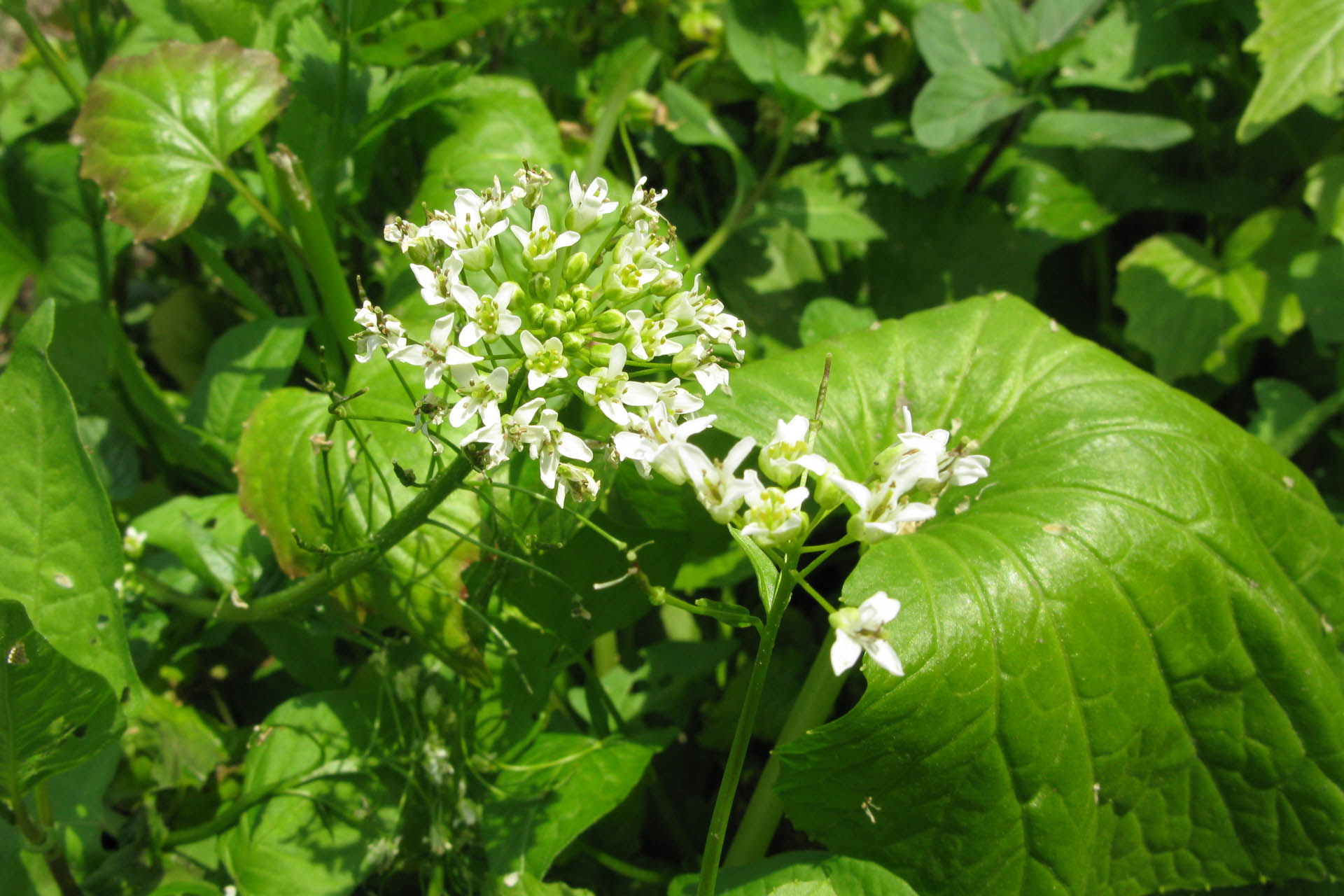
วาซาบิ ซึ่งมักถูกเรียกว่า "ฮอร์สแรดิชน้ำ" จัดอยู่ในตระกูลผักกาดจากมุมมองทางพฤกษศาสตร์ ต่างจากฮอร์สแรดิชแบบดั้งเดิมที่ใช้ส่วนใหญ่เป็นราก วาซาบิจะใช้ส่วนที่เรียกว่าเหง้าเป็นหลัก รากสีเขียวที่มีตุ่มเล็กน้อยนี้ต้องการน้ำสะอาดจำนวนมากเพื่อให้เติบโตได้อย่างเหมาะสม – ลักษณะเฉพาะที่ทำให้การเพาะปลูกต้องอาศัยความพิถีพิถันอย่างยิ่ง รสเผ็ดร้อนอันเป็นเอกลักษณ์ของวาซาบิเกิดจากน้ำมันมัสตาร์ด ซึ่งเมื่อรับประทานแล้วจะระคายเคืองเยื่อบุโพรงจมูกเป็นพิเศษ นั่นจึงเป็นเหตุผลที่คุณมักรู้สึกเจ็บแสบที่จมูกเมื่อทานวาซาบิมากเกินไป ในทางตรงกันข้าม ความเผ็ดของพริกมาจากแคปไซซินและส่งผลต่อร่างกายแตกต่างออกไป
สายพันธุ์และรูปแบบต่าง ๆ
สายพันธุ์วาซาบิที่ปลูกในญี่ปุ่นแตกต่างกันในด้านรูปลักษณ์ รสชาติ และระยะเวลาการเจริญเติบโต ในส่วนนี้เราจะแนะนำสายพันธุ์ที่สำคัญที่สุด:
วาซาบิญี่ปุ่นแท้ (Hon-wasabi)
วาซาบิแท้ถูกจัดอยู่ภายใต้ชื่อวิทยาศาสตร์ Wasabia japonica สายพันธุ์ที่รู้จักกันดี ได้แก่:
真妻種 (Mazuma-shu)
สายพันธุ์นี้มีลักษณะเด่นคือลำต้นและรากสีม่วงแดง เมื่อขูดจะหอมกรุ่นด้วยกลิ่นเข้มข้น รสเผ็ดร้อนเป็นเอกลักษณ์และมีโน้ตหวานอ่อน ๆ เนื่องจาก Mazuma-shu ใช้เวลาปลูก 18–24 เดือน จึงถูกใช้เป็นหลักในอาหารระดับพรีเมียมและจัดเป็นหนึ่งในสายพันธุ์ที่มีราคาแพงกว่า
実生種 (Mishō-shu)
Mishō-shu มีลำต้นสีเขียวอมเหลืองและเหง้าที่มีลักษณะเฉพาะตัว ด้วยรสชาติสดชื่น ฉ่ำน้ำ และเผ็ดร้อนชัดเจน สายพันธุ์นี้พร้อมเก็บเกี่ยวภายในเวลาประมาณหนึ่งปีเท่านั้น ด้วยคุณสมบัติเช่นนี้ จึงมักถูกใช้กับโซบะ ซูชิ และอาหารชั้นเลิศอื่น ๆ
だるま系統 (Daruma-keitō)
รู้จักกันในนาม "สายพันธุ์ลำต้นเขียว" Daruma-keitō สร้างความประทับใจด้วยการเจริญเติบโตตั้งตรงและลำต้นสีเขียว ด้วยรสเผ็ดร้อนที่อ่อนโยนและสง่างาม ระยะเวลาปลูก 12–18 เดือน จึงเป็นทางเลือกที่น่าสนใจสำหรับเชฟที่ต้องการเวลาปลูกที่สั้นกว่า
島根3号 (Shimane 3-gō)
สายพันธุ์นี้เป็นลูกผสมระหว่าง Daruma กับสายพันธุ์ท้องถิ่นจากชิมาเนะ Shimane 3-gō ทนทานต่อโรคและแมลงศัตรูพืช และเหมาะเป็นพิเศษสำหรับการเพาะปลูกแบบลำธารบนภูเขาพิเศษ (渓流式栽培, keiryū-shiki saibai)
วาซาบิตะวันตก (Seiyō-wasabi)
หมายถึงฮอร์สแรดิช ซึ่งมีถิ่นกำเนิดในยุโรปตะวันออกและถูกปลูกในญี่ปุ่น โดยเฉพาะในฮอกไกโด มีรากทรงยาวและรสชาติให้ความรู้สึกคล้ายหัวไชเท้าหรือกะหล่ำปลีมากกว่าวาซาบิแท้ สายพันธุ์นี้มักถูกใช้เป็นสารทดแทนราคาย่อมเยาในผลิตภัณฑ์ที่ผลิตจากโรงงานและสินค้าในซูเปอร์มาร์เก็ต
รสชาติและการเตรียม

A fresh wasabi rhizome sits mid-grate on a small metal grater, its pale green flesh rubbed down into a mound of coarse paste on the grater's rough surface. The rhizome still carries a tuft of leafy stems at its cut top, making clear this is the real root rather than tube paste. The flat steel grater rests on a round ceramic plate decorated in blue floral patterns, and the whole setup sits on a dark table alongside a black bowl filled with finely shredded leeks and other white bowls holding dark sauce, a typical Japanese restaurant meal in progress.
A fresh wasabi rhizome sits mid-grate on a small metal grater, its pale green flesh rubbed down into a mound of coarse paste on the grater's rough surface. The rhizome still carries a tuft of leafy stems at its cut top, making clear this is the real root rather than tube paste. The flat steel grater rests on a round ceramic plate decorated in blue floral patterns, and the whole setup sits on a dark table alongside a black bowl filled with finely shredded leeks and other white bowls holding dark sauce, a typical Japanese restaurant meal in progress.
ข้อความที่ปรากฏในภาพ
中
วาซาบิที่ขูดสดใหม่ผสานความเผ็ดร้อนเข้มข้นเข้ากับความหวานธรรมชาติและโน้ตกลิ่นดินอันแสนบางเบา – วาซาบิยิ่งสด ยิ่งปล่อยกลิ่นหอมมาก ในญี่ปุ่น ในร้านอาหารจำนวนมาก เมื่อคุณสั่งซาชิมิหรือโซบะ มักจะมีรากวาซาบิทั้งรากพร้อมเครื่องขูด (Oroshiki (jap. 卸金 or おろし器, "เครื่องขูด") – มักทำจากหนังฉลาม) ถูกนำมาเสิร์ฟที่โต๊ะ วิธีนี้ทำให้คุณสัมผัสได้ถึงความสดใหม่ทันทีและมั่นใจได้ว่าอาหารของคุณปรุงรสด้วยวาซาบิแท้ เนื่องจากกลิ่นหอมเข้มข้น จึงแนะนำให้ใช้วาซาบิที่ขูดสดใหม่ภายในประมาณห้านาที เนื่องจากจะสูญเสียความเผ็ดร้อนอย่างรวดเร็ว
เมนูอาหารกับวาซาบิ


การผลิต ความสดใหม่ และผลิตภัณฑ์เลียนแบบ
การผลิตวาซาบิแท้คืองานฝีมืออันประณีต การเพาะปลูกต้องการสภาพแวดล้อมทางธรรมชาติที่เหมาะสม – ลำธารบนภูเขาที่เย็นสบายพร้อมน้ำบ่อบริสุทธิ์ไหลเอื่อยจำนวนมาก จุดที่ร่มเงา และดินที่มีหินปนเป็นสิ่งจำเป็น สภาพที่ต้องการความพิถีพิถันเช่นนี้ทำให้วาซาบิแท้มีราคาสูงถึง 250 ดอลลาร์สหรัฐต่อกิโลกรัม ซึ่งแพงกว่าฮอร์สแรดิชสดประมาณ 25 เท่า
น่าเสียดายที่วาซาบิสดแทบไม่มีจำหน่ายในเยอรมนีและยุโรป เนื่องจากเน่าเสียง่ายมากและสูญเสียกลิ่นหอมอย่างรวดเร็ว วาซาบิแบบครีมที่พบได้ทั่วไปในยุโรปมักมีวาซาบิแท้เพียง 2–5% – บางครั้งอาจสูงถึง 25% – ส่วนที่เหลือส่วนใหญ่ประกอบด้วยฮอร์สแรดิช มัสตาร์ด รวมถึงสารแต่งสีและสารแต่งกลิ่น ผลิตภัณฑ์เลียนแบบเหล่านี้แทบจะไม่สามารถเทียบเคียงกับของแท้จากญี่ปุ่นได้เลย
การใช้ในการทำอาหาร
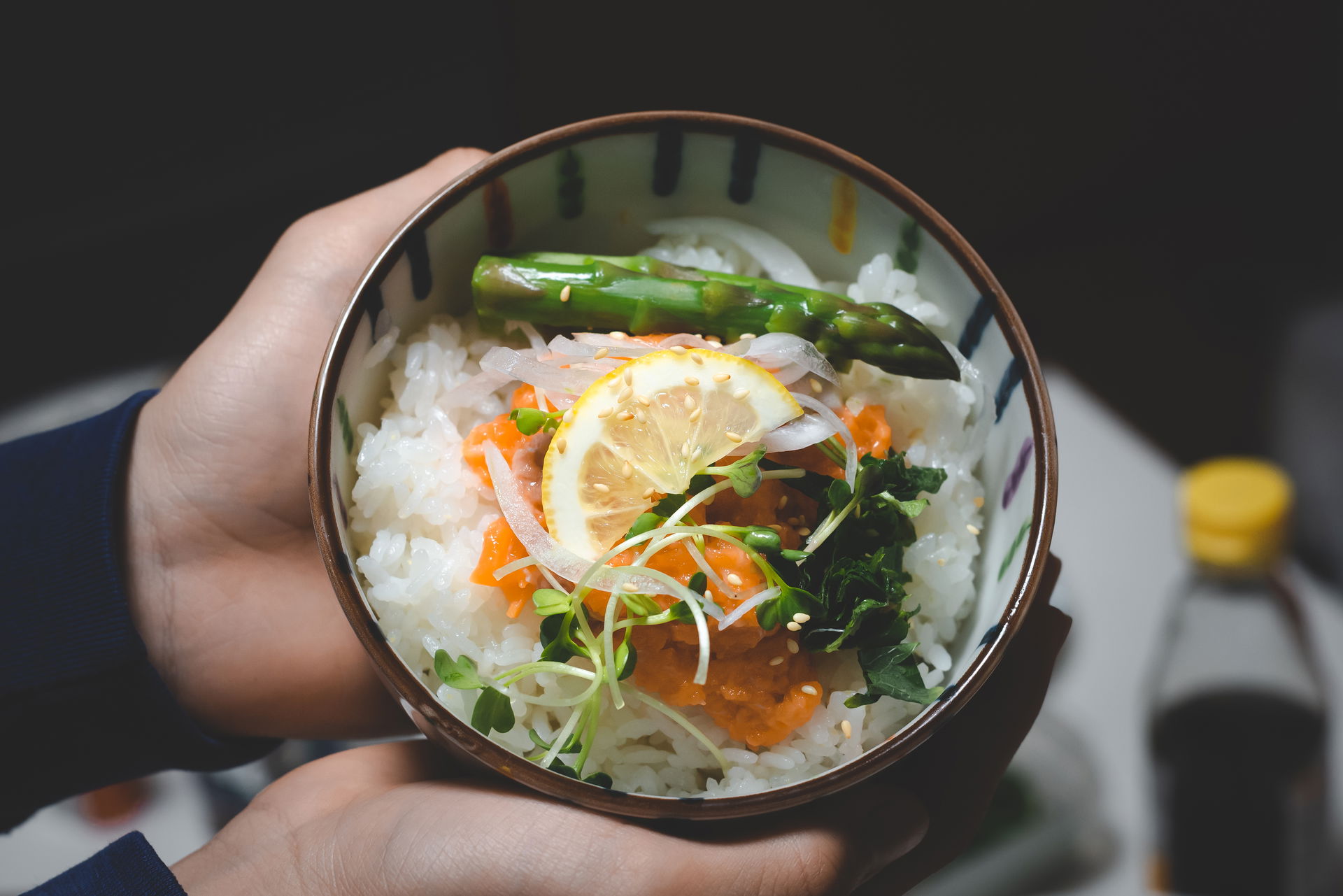
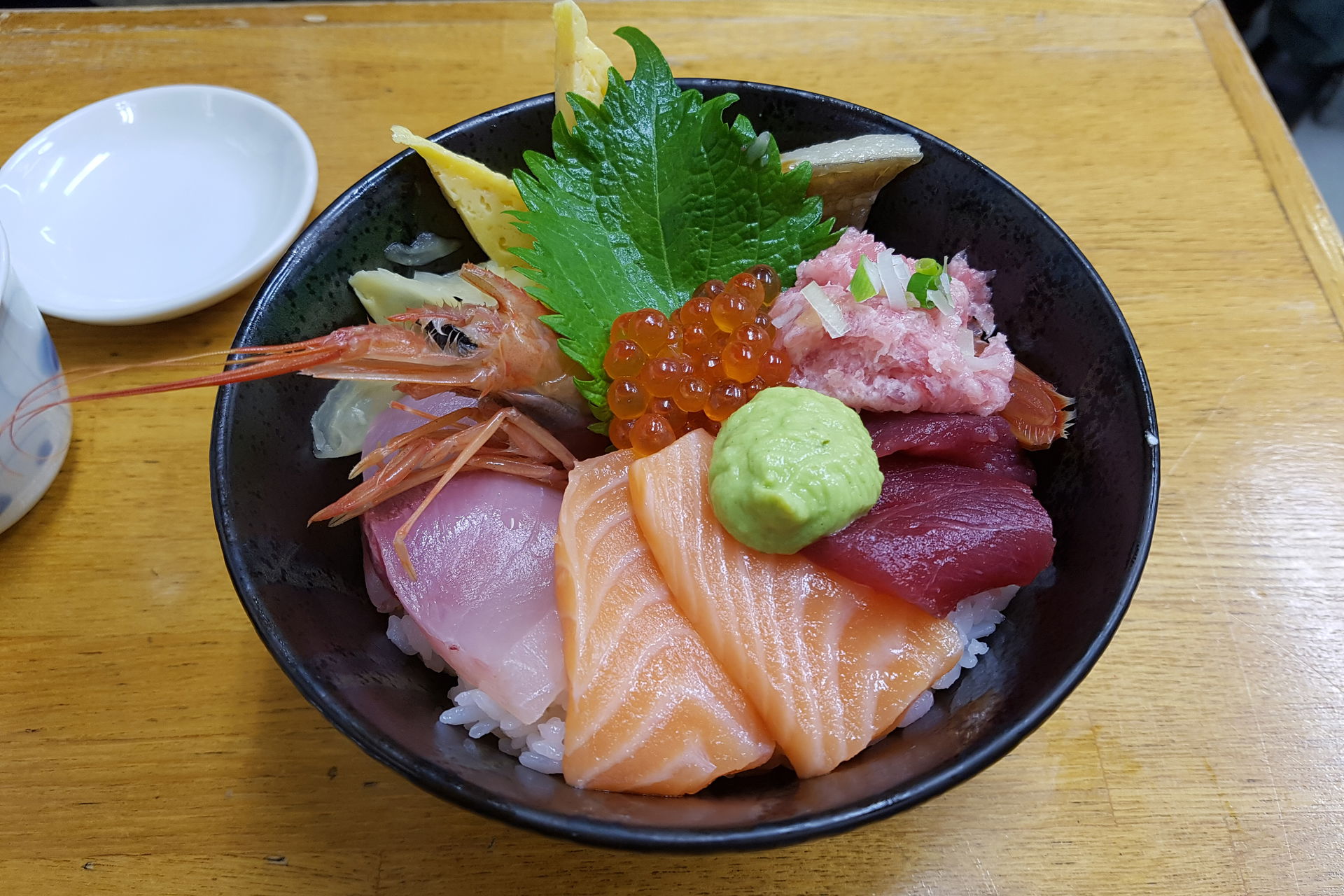
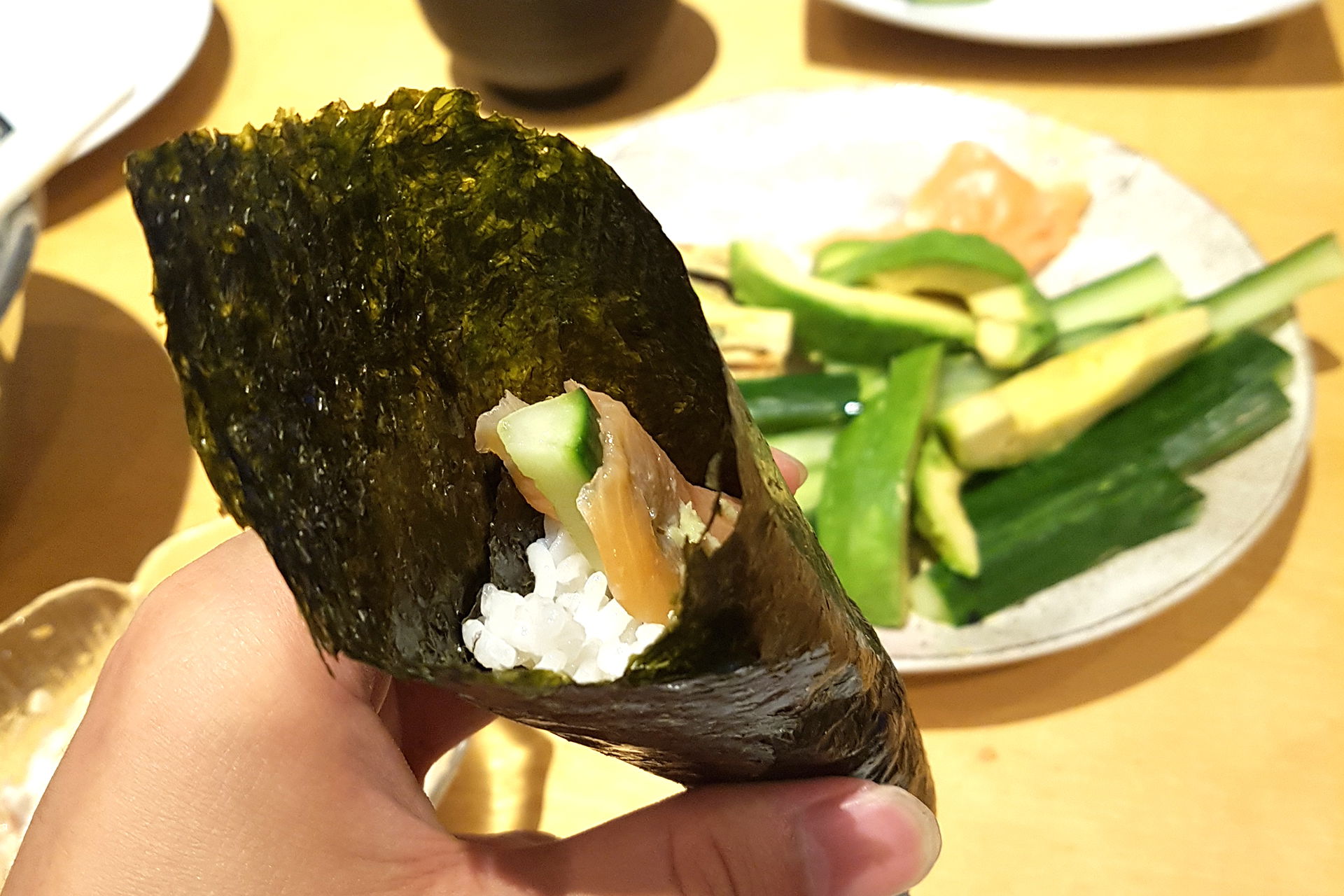
ในอาหารญี่ปุ่นแบบดั้งเดิม วาซาบิเป็นคู่หูที่ขาดไม่ได้ของซาชิมิ โซบะ และอาหารอีกมากมาย การเสิร์ฟรากวาซาบิสดทั้งรากพร้อมเครื่องขูดเป็นสัญลักษณ์ของความแท้และคุณภาพ ในการเดินทางของฉันเอง โดยเฉพาะช่วงที่อยู่ในดึสเซลดอร์ฟ ฉันสังเกตเห็นว่าวาซาบิแท้แทบจะถูกเสิร์ฟในรูปแบบดั้งเดิมนี้เสมอในร้านอาหารญี่ปุ่น – ขณะที่ในตลาดยุโรป มีแต่ครีมวาซาบิที่ถูกเจือจางอย่างหนักเสนอขายเกือบเพียงอย่างเดียว
ราคาและความพร้อมจำหน่าย
ในญี่ปุ่น วาซาบิแท้มีจำหน่ายในรูปแบบเหง้า ซึ่งโดยทั่วไปมีน้ำหนักระหว่าง 50 ถึง 120 กรัม ราคาระหว่าง 1,000 ถึง 7,000 เยน ขึ้นอยู่กับคุณภาพ (ประมาณ 6–50 ดอลลาร์สหรัฐ) นอกญี่ปุ่น เนื่องจากต้นทุนการนำเข้าและพื้นที่เพาะปลูกที่จำกัด ราคาจึงสูงขึ้นอย่างมาก ความพร้อมจำหน่ายของผลิตภัณฑ์วาซาบิสดมีจำกัดเป็นพิเศษในยุโรป ซึ่งมักนำไปสู่การใช้ของเลียนแบบคุณภาพต่ำกว่าบ่อยครั้ง

A refrigerated case at a Japanese wasabi farm shop, shown in two views. On the left, dozens of fresh wasabi rhizomes, knobby and pale green with leafy tops, are lined up on bamboo mats with handwritten price cards reading 600, 800, 1,000, and 1,200 yen per stick. A sign identifies the seller as Daio Farm. On the right, the same counter displays the leafy part of the plant: a wide wicker basket lined with a metal bowl holds bundled wasabi stalks and heart-shaped leaves, the tops crowned with small white blossoms. Next to it stands a handwritten instruction sheet in Japanese explaining how to prepare the leaves at home, and a small plate nearby offers a tasting sample.
A refrigerated case at a Japanese wasabi farm shop, shown in two views. On the left, dozens of fresh wasabi rhizomes, knobby and pale green with leafy tops, are lined up on bamboo mats with handwritten price cards reading 600, 800, 1,000, and 1,200 yen per stick. A sign identifies the seller as Daio Farm.
On the right, the same counter displays the leafy part of the plant: a wide wicker basket lined with a metal bowl holds bundled wasabi stalks and heart-shaped leaves, the tops crowned with small white blossoms. Next to it stands a handwritten instruction sheet in Japanese explaining how to prepare the leaves at home, and a small plate nearby offers a tasting sample.
ข้อความที่ปรากฏในภาพ
1,750-
2,150-
作り方
VISA
お手をさわらないでください
スタッフにお声かけください
大王農場
【隣接の当社直営農場に
生わさび 1本 1,000円(税込)
生わさび 1本 600円(税込)
生わさび 1本 800円(税込)
生わさび 1本 1,200円(税込)
สารอาหาร: วิตามิน แร่ธาตุ และแคลอรี
นอกจากรสชาติอันเป็นเอกลักษณ์แล้ว วาซาบิยังมีสารอาหารในปริมาณที่น่าประทับใจ ต่อ 100 กรัม ให้สารอาหารดังนี้เป็นต้น:
- วิตามินซี: 41,900 µg – สำคัญต่อโครงสร้างกระดูกตลอดจนสมดุลของแคลเซียมและฟอสฟอรัส
- วิตามินบี6: 274 µg – ช่วยสนับสนุนการเผาผลาญไขมันและการสร้างสารสื่อประสาท
- แร่ธาตุ: แคลเซียม โพแทสเซียม แมกนีเซียม โซเดียม และฟอสฟอรัส ช่วยเสริมสร้างโปรไฟล์สารอาหารที่สมดุล
- แคลอรี: 123 kcal – ทำให้วาซาบิเป็นส่วนผสมที่มีพลังงานต่ำแต่เข้มข้น
คุณสามารถค้นหารายละเอียดเพิ่มเติมเกี่ยวกับค่าสารอาหารได้ที่ geo.de เป็นต้น
การใช้เพื่อการบำบัดรักษา
น้ำมันมัสตาร์ดที่พบในวาซาบิ – โดยเฉพาะไอโซไทโอไซยาเนต – ได้รับการยกย่องในการบำบัดด้วยสมุนไพร (phytotherapy) สารเหล่านี้ทำหน้าที่เป็นสารที่ทำให้ผิวแดงซึ่งออกฤทธิ์เฉพาะที่ และมีคุณสมบัติต้านเชื้อแบคทีเรียโดยยับยั้งการเจริญเติบโตของเชื้อโรค เช่น Bacillus subtilis, Escherichia coli และ Staphylococcus aureus ร่วมกับพืชที่มีน้ำมันมัสตาร์ดอื่น ๆ เช่น นาสเทอร์เทียม สารออกฤทธิ์เหล่านี้ยังถูกใช้เพื่อการป้องกันการติดเชื้อทางเดินหายใจและทางเดินปัสสาวะ
ไร่วาซาบิในญี่ปุ่นและใบวาซาบิที่รับประทานได้
ในการเดินทางที่ญี่ปุ่น ฉันมีโอกาสได้เยี่ยมชมไร่วาซาบิ – ประสบการณ์ที่สะท้อนให้เห็นอย่างชัดเจนถึงความต้องการที่พิถีพิถันของผลิตผลชนิดนี้ วาซาบิเติบโตแทบจะเฉพาะในภูมิภาคภูเขา ซึ่งได้ประโยชน์จากน้ำบ่อไหลที่เย็นสบาย นอกจากรากแล้ว ใบวาซาบิก็ยังรับประทานได้ด้วย สามารถดองหรือรับประทานแบบแห้งก็ได้ จุดที่น่าสนใจคือผลิตภัณฑ์ที่ไม่มีสารกันบูดต้องรับประทานภายในหนึ่งสัปดาห์หลังจากเปิด เพื่อรักษาความสดใหม่ได้อย่างเต็มที่

The image pairs two views from the Daio Wasabi Farm in Azumino, Japan. On the left, a big illustrated site map hangs on a gray wall, its title written in both Japanese and English. The map shows the grounds as a colorful bird's-eye drawing: winding blue streams, farm buildings, parking lots, and walking trails, with a legend of icons for the restaurant, cafe, souvenir shop, and restrooms along one side. A grid of small photos of farm landmarks and a panel of visitor rules fill the right edge, including no-drone and no-smoking symbols. On the right, the crop itself. Wasabi plants with broad, round green leaves grow in long, shallow gravel-bottomed streams, the beds edged with white sheeting. Black shade netting is stretched overhead on a frame to block direct sun, the classic setup for real wasabi, which needs cool, clean, flowing water to grow.
The image pairs two views from the Daio Wasabi Farm in Azumino, Japan. On the left, a big illustrated site map hangs on a gray wall, its title written in both Japanese and English. The map shows the grounds as a colorful bird's-eye drawing: winding blue streams, farm buildings, parking lots, and walking trails, with a legend of icons for the restaurant, cafe, souvenir shop, and restrooms along one side. A grid of small photos of farm landmarks and a panel of visitor rules fill the right edge, including no-drone and no-smoking symbols.
On the right, the crop itself. Wasabi plants with broad, round green leaves grow in long, shallow gravel-bottomed streams, the beds edged with white sheeting. Black shade netting is stretched overhead on a frame to block direct sun, the classic setup for real wasabi, which needs cool, clean, flowing water to grow.
ข้อความที่ปรากฏในภาพ
癒しと感動のオアシス
大王わさび農場
DAIO WASABI FARM
散策コース1 北側の湧き水を巡るコース 約500m 約15~20分
散策コース2 大王社の周囲を巡るコース 約1200m 約40~50分
総合受付案内
フードコート(ペットの同伴可能)
DAIO's CAFE(ペットの同伴可能)
レストラン オアシス(ペットの同伴可能)
湧水飲食 大王庵(ペットの同伴可能)
団体棟食事会場
おみやげ処 和さび堂
クラフト セレクト雑貨 安曇野
安曇野遊印
コインロッカー
優先P
舗装されていない道路です
オススメ撮影スポット
ペット入場可能(リード使用)
ユニバーサルトイレ完備
大王社
ハス池
北池
古池
新池
OASIS
水車小屋
バス
正面入口
現在地
優先P
第1P/120台
第2P/230台
バス専用P/25台
団体棟事務所・工場
わらびのオブジェ
大王さまの見える台
湧祖神
大王神社
おみやげ処 和さび堂
水車小屋
DAIO'S CAFE
禁止事項
営業時間外の入場
ドローンの持ち込み・使用
場内の喫煙
自転車・キックボード等
お弁当などの持ち込み
穂高市街地

Terraced wasabi paddies fill a mountain farm in Japan. On the right, rows of wasabi plants send up large, heart-shaped green leaves from small pots sunk into shallow water that flows through the beds, with gravel banks and low stone walls dividing each flooded level. The left half of the field sits under a low grid of rusty metal pipe frames draped in green and white shade netting, covering the crops that need protection from direct sun. Light rain falls across the whole scene, and a band of trees closes off the far edge of the farm.
Terraced wasabi paddies fill a mountain farm in Japan. On the right, rows of wasabi plants send up large, heart-shaped green leaves from small pots sunk into shallow water that flows through the beds, with gravel banks and low stone walls dividing each flooded level. The left half of the field sits under a low grid of rusty metal pipe frames draped in green and white shade netting, covering the crops that need protection from direct sun. Light rain falls across the whole scene, and a band of trees closes off the far edge of the farm.
ข้อความที่ปรากฏในภาพ
No clearly readable text is present in the image.
วิดีโอเด็ดจาก "Business Insider"
สำหรับข้อมูลเชิงลึกเพิ่มเติมเกี่ยวกับโลกอันน่าหลงใหลของวาซาบิ ฉันขอแนะนำวิดีโอให้ข้อมูลจาก Business Insider วิดีโอนี้ไม่เพียงแต่แสดงกระบวนการเพาะปลูกและเก็บเกี่ยวที่ซับซ้อน แต่ยังเน้นถึงการใช้งานที่หลากหลายของผลิตผลธรรมชาติชนิดนี้อีกด้วย
บทสรุป
วาซาบิมีมากกว่าแค่เครื่องปรุงรสเผ็ดสำหรับซูชิ การเพาะปลูกที่ต้องการความพิถีพิถัน ความหลากหลายของสายพันธุ์ รสชาติที่เข้มข้น และสรรพคุณที่เป็นประโยชน์ต่อสุขภาพ ทำให้มันเป็นผลิตผลธรรมชาติที่พิเศษเหนือกว่า ความแท้ที่แท้จริงปรากฏให้เห็นในการเสิร์ฟแบบสดในญี่ปุ่น – ตั้งแต่รากทั้งรากไปจนถึงเครื่องขูดที่ออกแบบมาเป็นพิเศษ – ขณะที่ในยุโรป ของเลียนแบบที่ถูกเจือจางมักครองตลาด ด้วยภาพรวมนี้ เราหวังว่าจะมอบความเข้าใจที่ครอบคลุมและเป็นข้อเท็จจริงเกี่ยวกับโลกของวาซาบิ ที่ครอบคลุมทั้งด้านพฤกษศาสตร์ตลอดจนด้านวัฒนธรรมและการทำอาหาร ขอให้ทานอาหารให้อร่อย!
ความคิดเห็น