
สารบัญ:
TL;DR
โซบะคือก๋วยเตี๋ยวเส้นเล็กของญี่ปุ่นที่ทำจากแป้งบัควีต ยิ่งมีสัดส่วนบัควีตมากก็ยิ่งหอมและแพงขึ้น ทานได้ทั้งแบบร้อนในน้ำซุปดาชิและแบบเย็นจิ้มน้ำซุปแยกชาม ตักเข้าปากทีละคำให้หมดเส้นอย่าให้ห้อยยาว เพราะถือว่าไม่สุภาพ ส่วนการสะบัดเสียงดังตอนกินนั้นทำได้เลยตามธรรมเนียมญี่ปุ่นโซบะ – บะหมี่บัควีตญี่ปุ่น
บะหมี่โซบะทำจากแป้งบัควีต ซึ่งบางครั้งจะผสมกับแป้งสาลีธรรมดา Ju-wari Soba ทำจากบัควีต 100% จึงเป็นโซบะที่แพงที่สุด แต่ก็หอมรสที่สุดด้วย ส่วนแบบที่พบมากกว่าเล็กน้อยคือ Hachiwari-Soba ทำจากบัควีต 80% และแป้งสาลีธรรมดา 20% รสชาติกลมกล่อมกว่าเล็กน้อย แต่ก็ถูกกว่าตามไปด้วย ยังมีพันธุ์ที่มีส่วนผสมของบัควีตต่ำกว่านั้นอีก จึงมีราคาถูกยิ่งขึ้นไปอีก พวกนี้ส่วนใหญ่ใช้ในร้านอาหารจานด่วน ซึ่งขายโซบะราคาราว 2 ถึง 5 ยูโร
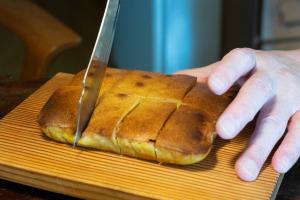
A rectangular buckwheat cake with a golden brown, slightly domed top sits on a wooden cutting board as a large kitchen knife slices down through it. Cuts already made divide the dense cake into even portions, and a hand at the right of the frame steadies it against the board. The dark, blurred background keeps all the attention on the slicing.
A rectangular buckwheat cake with a golden brown, slightly domed top sits on a wooden cutting board as a large kitchen knife slices down through it. Cuts already made divide the dense cake into even portions, and a hand at the right of the frame steadies it against the board. The dark, blurred background keeps all the attention on the slicing.
ข้อความที่ปรากฏในภาพ
No clearly readable text is present in the image.
กินโซบะกันอย่างไร?
เมนูที่พบมากที่สุดคือ Kake-Soba โดยจะเสิร์ฟบะหมี่อุ่นๆ ในน้ำซุปที่เรียกว่า "Dashi" น้ำซุปนี้ทำจากปลาทูน่าแห้งป่น สาหร่าย Kombu Mirin (เหล้าข้าวญี่ปุ่น) และ Shoyu (ซีอิ๊วญี่ปุ่น) และมักโรยหน้าด้วยต้นหอมซอย Kake-Soba มักถูกกินในฤดูหนาว โดยปกติจะเสิร์ฟคู่กับ Wasabi (มักเป็นรากสดที่คุณขูดเองได้) และขิง
อีกหนึ่งแบบที่พบบ่อยคือ Zulu-Soba โดยจะเสิร์ฟบะหมี่โซบะบนกระด้งไม้ไผ่ พร้อมถ้วยแยกสำหรับน้ำซุปเย็น หยิบโซบะขึ้นด้วยตะเกียบ จุ่มลงในน้ำซุปแล้วกินทันที แน่นอนว่าตามธรรมเนียมญี่ปุ่น คุณต้องดูดกินเสียงดัง Tempura ก็มักถูกเสิร์ฟคู่กับโซบะด้วยเช่นกัน
อ้อ อีกอย่าง: ทุกคำที่หยิบขึ้นด้วยตะเกียบต้องกินให้หมดคำ การปล่อยให้เส้นห้อยอยู่ถือว่าไม่สุภาพมาก
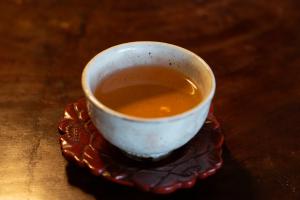
A small white ceramic cup filled with clear amber tea sits on a carved, deep reddish-brown lacquered coaster. The warm light catches the surface of the liquid, suggesting a cup of soba or buckwheat tea, served in the traditional Japanese style. The dark wood table around it falls into shadow, keeping all attention on the cup and its glowing contents.
A small white ceramic cup filled with clear amber tea sits on a carved, deep reddish-brown lacquered coaster. The warm light catches the surface of the liquid, suggesting a cup of soba or buckwheat tea, served in the traditional Japanese style. The dark wood table around it falls into shadow, keeping all attention on the cup and its glowing contents.
ข้อความที่ปรากฏในภาพ
No clearly readable text is present in the image.
รูปแบบที่หลากหลายสีสัน
ยังมี Cha-Soba หรือ "โซบะชาเขียว" รสชาติของชาเขียวนั้นจางมาก แต่โซบะชนิดนี้มีสีเขียว ยังมี Ume-Soba อีกด้วย ซึ่งใช้ลูกพรุน Ume สีแดงหมักดอง ทำให้โซบะมีสีชมพูอ่อนๆ แท้จริงแล้วบัควีตมีสีเทามีจุดสีดำ ประเพณียอดนิยมของญี่ปุ่นคือการกินโซบะก่อนเปิดปีใหม่ เรียกว่า Toshikoshi-Soba เชื่อกันว่าจะนำโชคด้านการเงินมาให้ในปีใหม่ ครอบครัวของฉันก็กินโซบะกันทุกปีใหม่เช่นกัน!
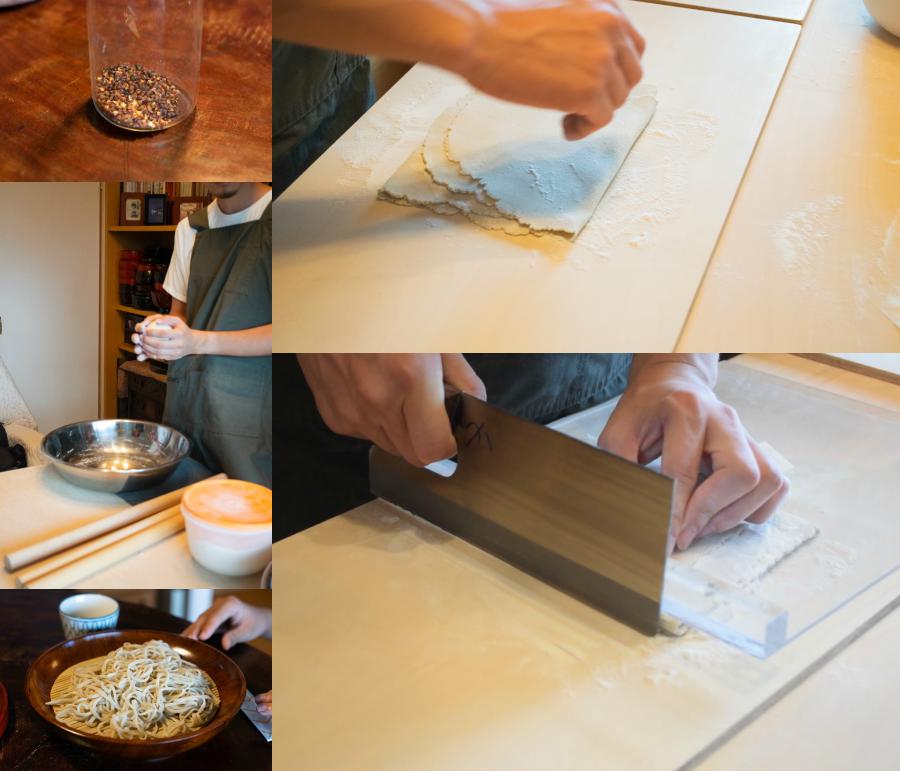
A four-photo collage documents the process of making soba, Japanese buckwheat noodles, by hand at home. The left column runs top to bottom through the stages. A small glass jar holds raw buckwheat groats on a wooden table. Below it, a man in a green apron over a white t-shirt kneads dough with his hands, a stainless steel mixing bowl, a wooden rolling pin, and a container of dusting flour arranged on the counter in front of him. At the bottom, the finished dish: a generous mound of pale grey noodles served on a bamboo draining basket set inside a dark wooden bowl, with a small ceramic cup alongside. The tall right column shows two close-ups of the noodle work: hands handling a folded, flour-dusted sheet of dough on a wooden board, then slicing the dough into thin strands with a long rectangular soba knife, using a wooden guide to keep the cuts even.
A four-photo collage documents the process of making soba, Japanese buckwheat noodles, by hand at home.
The left column runs top to bottom through the stages. A small glass jar holds raw buckwheat groats on a wooden table. Below it, a man in a green apron over a white t-shirt kneads dough with his hands, a stainless steel mixing bowl, a wooden rolling pin, and a container of dusting flour arranged on the counter in front of him. At the bottom, the finished dish: a generous mound of pale grey noodles served on a bamboo draining basket set inside a dark wooden bowl, with a small ceramic cup alongside. The tall right column shows two close-ups of the noodle work: hands handling a folded, flour-dusted sheet of dough on a wooden board, then slicing the dough into thin strands with a long rectangular soba knife, using a wooden guide to keep the cuts even.
ข้อความที่ปรากฏในภาพ
No clearly readable text found in the image.
ทำกันอย่างไร – ฉันเข้าคอร์สทำโซบะ
นี่คือคอร์สญี่ปุ่นอีกหนึ่งคอร์สที่แม่หาให้ฉัน อ้อ ฉันก็เคยเรียนคอร์สทำ Miso ด้วย! มีเว็บพอร์ทัลออนไลน์ของญี่ปุ่นหลายแห่งที่บุคคลทั่วไปสามารถเสนอบริการหลากหลายประเภทได้ รวมถึงคอร์สทำอาหาร ซึ่งเป็นที่นิยมในหมู่แม่บ้านและเด็กๆ คอร์สโซบะนี้บังเอิญเป็นคนญี่ปุ่นที่เคยเรียนที่เยอรมนี จึงพูดภาษาเยอรมันได้!
ช่วงต้นคอร์ส เราได้รับโซบะมาเสิร์ฟพร้อมดูวิธีการเตรียมก่อน เราดื่มชาโซบะ ซึ่งทำจากบัควีตคั่ว ยังมีเค้กบัควีตแสนอร่อยที่ภรรยาของผู้สอนอบมาให้เราด้วย
ต่อมาเราทำโซบะของตัวเอง: นวดแป้ง รีดแป้ง และหั่นเป็นรูปเส้นบะหมี่ จริงๆ แล้วโซบะต้องหั่นให้บางและสม่ำเสมอมาก – ไม่ใช่เรื่องง่ายเลย! ส่วนที่หนากว่าของโซบะที่ฉันทำรสชาติต่างจากโซบะที่หั่นอย่างมืออาชีพอย่างแน่นอน – แต่ถึงอย่างนั้น คอร์สนี้ก็เป็นประสบการณ์ที่น่าสนใจและได้ความรู้มากสำหรับฉัน!
ความคิดเห็น