
สารบัญ:
TL;DR
มิโซะเป็นเต้าเจี้ยวหมักญี่ปุ่นที่ใช้ทำอาหารได้หลายอย่าง แต่ที่ต้องจำให้ขึ้นใจคือห้ามต้มเด็ดขาด ใส่ตอนสุดท้ายแล้วปิดไฟทันที เพื่อรักษารสชาติอูมามิและคุณค่าจากการหมักวางหมักชนิดนี้ถูกนำไปใช้ในอาหารญี่ปุ่นมากมาย คุณสามารถพบได้ทั้งในซุป ซอส หรือเป็นน้ำจิ้ม มิโซะมีความหลากหลายเป็นพิเศษเมื่อใช้ทำซุป เช่น Miso Shiru หรือซุปบะหมี่ที่รู้จักกันดีอย่าง Ramen ใน Miso-Ramen น้ำซุปนั้นทำมาจากวางถั่วเหลือง แต่ก็ยังมีราเม็งหลายประเภทอื่นๆ ที่ใช้มิโซะด้วยเช่นกัน วางชนิดนี้ยังเหมาะจะทานเป็นน้ำจิ้มอีกด้วย เนื่องจากมีปริมาณเกลือสูง มิโซะจึงถูกเก็บรักษาได้ดี นั่นจึงเป็นเหตุผลว่าทำไมเวลาเตรียม Miso Shiru (ซุปมิโซะ) จึงมักใช้วางรสเค็มเพียงเล็กน้อย
เมนูอาหารที่ทำจากมิโซะ
มิโซะมีความหลากหลายอย่างเหลือเชื่อและมีบทบาทสำคัญในอาหารญี่ปุ่น เมนูที่มีชื่อเสียงที่สุดคงหนีไม่พ้น Miso Shiru ซุปมิโซะสุดคลาสสิกที่เสิร์ฟกันในเกือบทุกมื้อ อาหารเช้าแบบญี่ปุ่น ด้วยเต้าหู้ สาหร่ายวากาเมะ และต้นหอม จึงเป็นการเริ่มต้นวันที่เบาสบายแต่อัดแน่นไปด้วยสารอาหาร สำหรับสายบะหมี่แล้ว Miso Ramen ถือเป็นเมนูที่ห้ามพลาด: น้ำซุปได้รสชาติเข้มข้นอูมามิจากมิโซะจำนวนมาก ซึ่งมักผสมกับ Dashi คุณสามารถหาสูตรทำ Ramen แบบง่ายๆ ได้ในบล็อกของฉัน
แต่มิโซะไม่ได้มีไว้ทำแค่ซุป Miso Kyuri เป็นเครื่องเคียงสดชื่นที่เสิร์ฟแตงกวาหั่นเป็นแท่งพร้อมน้ำจิ้มมิโซะ ถ้าคุณชอบปลา ลอง ปลาแซลมอนกับเนยมิโซะ ดูสิ ซึ่งวางมิโซะจะสร้างเคลือบรสอูมามิสุดวิเศษ มิโซะยังเข้ากันดีกับ Nabe (หม้อไฟแบบญี่ปุ่น) ช่วยเพิ่มมิติให้น้ำซุป เมนูคลาสสิกอื่นๆ ได้แก่ Miso Dengaku (เต้าหู้หรือมะเขือยาวย่างราดซอสมิโซะหวาน), Tonjiru (ซุปมิโซะหมูใส่ผัก) และปลาย่างหมักมิโซะอย่าง Saikyo Yaki ถ้าคุณสนใจ การหมักดองแบบญี่ปุ่น มิโซะเป็นจุดเริ่มต้นที่ดีในการสำรวจประเพณีการทำอาหารอันน่าหลงใหลนี้
เคล็ดลับการทำอาหารสำคัญ: ห้ามต้มมิโซะ!
หนึ่งในสิ่งสำคัญที่สุดที่ต้องรู้เมื่อทำอาหารด้วยมิโซะคือ: ห้ามปล่อยให้เดือดเด็ดขาด! เวลาเตรียม Miso Shiru หรือเมนูอื่นๆ ให้ใส่วางมิโซะตอนท้ายสุดเสมอ แล้วยกหม้อออกจากเตาทันที การต้มจะทำลายทั้งรสชาติละมุนอ่อนโยนและสารอาหารอันมีค่า โดยเฉพาะเอนไซม์ที่มีประโยชน์และโพรไบโอติกในมิโซะที่ไม่ผ่านการพาสเจอไรซ์ เพียงคนวางลงในของเหลวที่อุ่น (ไม่เดือด) จนละลายหมดจด วิธีนี้จะทำให้คุณได้รสอูมามิเต็มที่พร้อมประโยชน์ต่อสุขภาพอย่างครบถ้วน
ความหลากหลายของวางมิโซะ
มิโซะแบ่งออกเป็นหมวดหมู่ต่างๆ ตามส่วนผสม สี และรสชาติ ส่วนผสมหลักคือถั่วเหลืองเสมอ สำหรับ Mamemiso (豆味噌 = Bean Miso) จะใช้ถั่วเหลืองเพียงอย่างเดียว ใน Komemiso (米味噌 = Rice Miso) จะมีการเพิ่มข้าวลงไป และใน Mugimiso (麦味噌 = Grain/Barley Miso) จะใช้ข้าวบาร์เลย์ นอกจากนี้ยังมีความแตกต่างของสี ซึ่งขึ้นอยู่กับระยะเวลาการหมักเป็นหลัก คุณสามารถเก็บมิโซะได้หลายปี แม้กระทั่งหลายสิบปี สิ่งสำคัญเพียงอย่างเดียวคือต้องเก็บวางให้แน่นหนาไม่ให้อากาศเข้า สิ่งหนึ่งที่ควรพิจารณาเกี่ยวกับระยะเวลาการเก็บรักษา: ความเข้มข้นของรสชาติจะเพิ่มขึ้นตามกาลเวลา
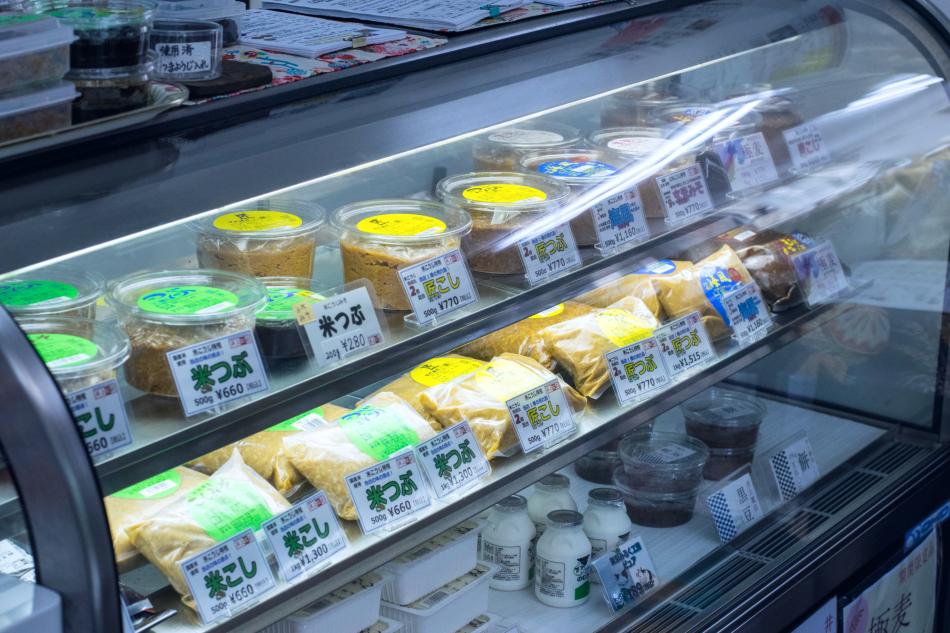
A refrigerated display case in a Japanese specialty shop, packed with tubs and bags of miso. Clear plastic containers sit on angled glass shelves under a bright strip of light, each topped with a hand-lettered price tag in Japanese. The labels distinguish varieties by their koji: rice koji (米こうじ) and barley koji (麦こうじ), with prices like ¥660 and ¥770 for 500-gram tubs and darker, pricier pastes on the upper shelves reaching over ¥1,800. The lower shelves hold soft pouches of pale yellow miso, some with green and yellow stickers, alongside small plastic bottles of a milky white drink and a few tubs of dark paste. The curved glass front reflects the light, giving the case the look of a deli counter, but everything inside is soybean paste in its many forms.
A refrigerated display case in a Japanese specialty shop, packed with tubs and bags of miso. Clear plastic containers sit on angled glass shelves under a bright strip of light, each topped with a hand-lettered price tag in Japanese. The labels distinguish varieties by their koji: rice koji (米こうじ) and barley koji (麦こうじ), with prices like ¥660 and ¥770 for 500-gram tubs and darker, pricier pastes on the upper shelves reaching over ¥1,800. The lower shelves hold soft pouches of pale yellow miso, some with green and yellow stickers, alongside small plastic bottles of a milky white drink and a few tubs of dark paste. The curved glass front reflects the light, giving the case the look of a deli counter, but everything inside is soybean paste in its many forms.
ข้อความที่ปรากฏในภาพ
味噌汁
米こうじ 500g ¥280
麹こし 500g ¥770
米こうじ 500g ¥770
米こうじ 500g ¥660
麹こうじ 500g ¥1,150
麹こし 500g ¥770
米こうじ 500g ¥1,300
米こうじ 500g ¥660
米こうじ 500g ¥770
麹こうじ 500g ¥1,150
豆
ในช่วงแรกเริ่ม วางจะมีสีขาวและเรียกว่า Shiro-Miso (白味噌) คุณยังสัมผัสได้ถึงรสถั่วเหลือง จึงค่อนข้างเป็นกลาง มิโซะสีแดงเรียกว่า Aka-Miso (赤味噌) และอยู่ในช่วงกลางของการหมัก มิโซะที่หมักนานมากจะมีสีเข้มขึ้นมากและพัฒนารสชาติที่เข้มข้นกว่า ตัวอย่างที่มีชื่อเสียงคือ Hatcho-Miso (八丁味噌) จากจังหวัดไอจิ ซึ่งหมักอย่างน้อยสองปี นอกจากนี้ยังมีรสชาติอื่นๆ อีก: เผ็ด (Kara-Miso 辛味噌), หวาน (Ama-Miso 甘味噌) และแบบผสมหลายชนิดเข้าด้วยกัน (Awase-Miso 合わせ味噌)
มิโซะดีต่อสุขภาพแค่ไหน?
โดยทั่วไป มิโซะเช่นเดียวกับอาหารหมักดองทุกชนิด มีประโยชน์ต่อสุขภาพมาก วางนี้มีวิตามินและสารอาหาร เช่น โปรตีน วิตามินบี2 วิตามินอี เอนไซม์หลากหลายชนิด ไอโซฟลาโวน โคลีน และเลซิติน อย่างไรก็ตาม สิ่งนี้ใช้ได้เฉพาะกับมิโซะสดเท่านั้น เนื่องจากรสชาติเปลี่ยนแปลงต่อเนื่อง แบบสดจึงไม่เหมาะกับการขายในซูเปอร์มาร์เก็ต เพื่อป้องกันปัญหานี้ มิโซะจึงมักถูกพาสเจอไรซ์ หลังจากนั้น วางมิโซะจะไม่หมักต่อไปอีกและคงรสชาติเดิม ระหว่างการพาสเจอไรซ์ ผลิตภัณฑ์จะถูกให้ความร้อนมากจนสารอาหารจำนวนมากสูญเสียไป นั่นจึงเป็นเหตุผลที่คุณควรเลือกแบบสดมากกว่า ถ้าหาซื้อได้ ราคาก็ไม่ได้ถูกเลยทีเดียว และยังมีอายุการเก็บรักษาสั้น คุณต้องใช้ให้หมดอย่างรวดเร็ว ไม่เช่นนั้นหลังเปิดแล้วจะมีความเสี่ยงเกิดรา หรือบางทีคุณอาจตั้งใจอยากได้รสชาติที่เข้มข้นกว่าก็เป็นได้
FAQ: คำถามที่พบบ่อยเกี่ยวกับมิโซะ
มิโซะเป็นวีแกนหรือไม่? ใช่ ตัวมิโซะเองเป็นวีแกนอย่างสมบูรณ์ เพราะประกอบด้วยถั่วเหลือง koji เกลือ และบางครั้งมีข้าวหรือข้าวบาร์เลย์เท่านั้น อย่างไรก็ตาม ระวังผลิตภัณฑ์มิโซะสำเร็จรูป: บางชนิดผลิตมาสำหรับ Miso Shiru โดยเฉพาะ และมี Dashi (น้ำสต๊อกปลา) อยู่แล้ว ควรตรวจสอบส่วนผสมเสมอหากคุณต้องการตัวเลือกที่เป็นพืชล้วน
มิโซะที่เปิดแล้วเก็บได้นานแค่ไหน? ด้วยปริมาณเกลือที่สูง มิโซะจึงอยู่ได้นานอย่างเหลือเชื่อ คุณสามารถเก็บมิโซะที่เปิดแล้วในตู้เย็นได้หลายเดือน บางครั้งอาจนานถึงหนึ่งปี เพียงแค่ต้องแน่ใจว่าใช้ช้อนที่สะอาดเสมอ และปิดภาชนะให้แน่นหนา หากเห็นราขึ้นที่ผิวหน้า ให้ทิ้งมิโซะทันที
แช่แข็งมิโซะได้ไหม? ได้ คุณสามารถแช่แข็งมิโซะได้! เพราะมิโซะมีน้ำน้อยมาก จึงไม่แข็งกรอบเป็นก้อนและยังตักแบ่งส่วนได้ง่ายแม้อยู่ในช่องแข็ง การแช่แข็งช่วยยืดอายุการเก็บรักษา และในกรณีของมิโซะที่ไม่ผ่านการพาสเจอไรซ์ จะหยุดกระบวนการหมักได้เกือบสมบูรณ์ วิธีนี้สะดวกดีหากคุณต้องการรักษารสชาติที่เข้มข้นระดับหนึ่งเอาไว้
เวิร์กช็อป: ทำมิโซะด้วยตัวคุณเอง

Blocks of koji rice are stacked in neat rows behind the glass of a refrigerated display case. Each block is wrapped in plastic and looks like a dense, crumbly pale beige cake, with the fine fuzzy texture of mold-grown rice visible across the surface. Two rows of the cakes sit on white shelves, and a faint reflection in the glass shows the space in front of the case. A strip of Japanese labels runs along the bottom edge of the case. It reads as a shop or production setting in Japan where koji, the fermented rice used as the base for miso and other Japanese ferments, is sold by the block.
Blocks of koji rice are stacked in neat rows behind the glass of a refrigerated display case. Each block is wrapped in plastic and looks like a dense, crumbly pale beige cake, with the fine fuzzy texture of mold-grown rice visible across the surface. Two rows of the cakes sit on white shelves, and a faint reflection in the glass shows the space in front of the case. A strip of Japanese labels runs along the bottom edge of the case. It reads as a shop or production setting in Japan where koji, the fermented rice used as the base for miso and other Japanese ferments, is sold by the block.
ข้อความที่ปรากฏในภาพ
*No text is clearly readable in this image.*
คลาสเรียนทำอาหารเป็นเรื่องปกติธรรมดาในญี่ปุ่น แม้แต่นักเรียนก็มีให้เข้าร่วมเป็นกิจกรรมเปลี่ยนบรรยากาศจากบทเรียนประจำวัน การเข้าร่วมเวิร์กช็อปทำมิโซะนั้นคุ้มค่าอย่างแน่นอน เพราะกระบวนการผลิตวางยอดนิยมชนิดนี้เป็นสิ่งที่คนส่วนใหญ่ไม่รู้จัก คุณไม่ต้องเตรียมอะไรมาเอง เพราะมีส่วนผสมและอุปกรณ์ทำอาหารจัดเตรียมให้ครบ สิ่งหนึ่งที่ควรจำไว้: เวิร์กช็อปเหล่านี้มักจัดเป็นภาษาญี่ปุ่นเท่านั้น ดังนั้นความเข้าใจภาษาขั้นพื้นฐานหรือแอปแปลภาษาจะช่วยได้มาก
มีอย่างหนึ่งที่คุณควรรู้ล่วงหน้า: เวิร์กช็อปนี้เป็นงานหนัก และคุณจะไม่สามารถชิมผลงานได้ทันที คุณจะสามารถใช้มิโซะของตัวเองได้หลังจากผ่านไปครึ่งปีหรือแม้แต่หนึ่งปีเต็ม
เอาล่ะ มาเริ่มเวิร์กช็อปกันเลย ถั่วเหลืองจะถูกโขลกด้วยมือจนเนียนเป็นพาสต์ จากนั้นคุณจะปั้นเป็นลูกกลมเล็กๆ แล้วเรียงซ้อนลงในถัง จากนั้นเติม Koji ซึ่งเป็นเชื้อราที่ทำให้การหมักเป็นไปได้ การทำงานของมันจะหยุดลงก็ต่อเมื่อถูกบริโภคหรือพาสเจอไรซ์เท่านั้น จากนั้นจึงเติมเกลือ ซึ่งเป็นส่วนผสมสำคัญทั้งต่อรสชาติและการถนอมอาหาร สุดท้าย ปิดถังให้สนิท
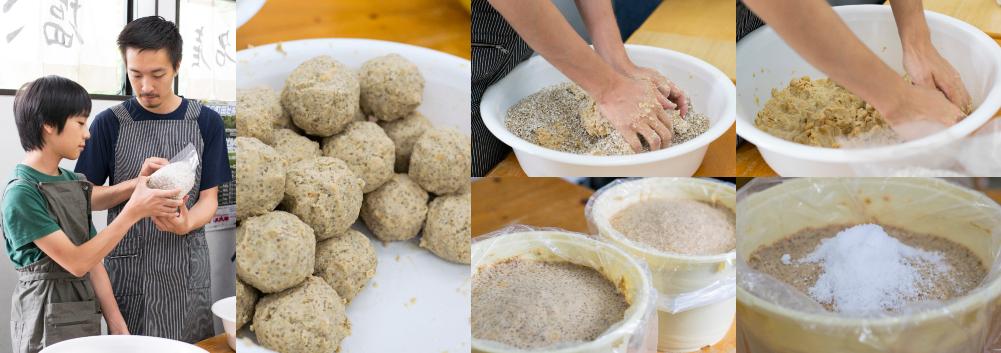
This collage shows a hands-on miso-making course in six photos. In the largest shot, a young man in a striped apron holds up a clear bag of koji rice while a boy in a green shirt and dark apron watches closely, both standing in a workshop with Japanese calligraphy on the wall behind them. The other panels follow the process. Hands knead a coarse, grainy mixture of mashed soybeans and koji in wide white basins, working it until it comes together. A bowl holds finished miso rolled into uniform round balls. The last two photos show the paste packed into plastic fermentation containers, smoothed down, sealed with plastic wrap, and topped with a mound of coarse white salt, ready for storage.
This collage shows a hands-on miso-making course in six photos. In the largest shot, a young man in a striped apron holds up a clear bag of koji rice while a boy in a green shirt and dark apron watches closely, both standing in a workshop with Japanese calligraphy on the wall behind them.
The other panels follow the process. Hands knead a coarse, grainy mixture of mashed soybeans and koji in wide white basins, working it until it comes together. A bowl holds finished miso rolled into uniform round balls. The last two photos show the paste packed into plastic fermentation containers, smoothed down, sealed with plastic wrap, and topped with a mound of coarse white salt, ready for storage.
ข้อความที่ปรากฏในภาพ
No clearly readable text.
ตอนนี้คุณต้องอดใจรอ: คุณต้องรออย่างน้อยหกเดือนก่อนจะได้ลองมิโซะของตัวเอง จนถึงตอนนั้น มันจะถูกเก็บไว้ในหลุมจัดเก็บใต้ดิน ซึ่งเย็นสบายอยู่เสมอ
หลังจากเวิร์กช็อป จะมีทัวร์สั้นๆ ชมโรงงานมิโซะที่ผลิตมิโซะเพื่อขาย คุณจะได้เห็นวางในระยะความสุกงอมต่างๆ หากสนใจ คุณสามารถซื้อผลิตภัณฑ์มิโซะหลากหลายชนิดได้ ซึ่งมีรสชาติเข้มข้นและหอมกว่าที่พบตามซูเปอร์มาร์เก็ต
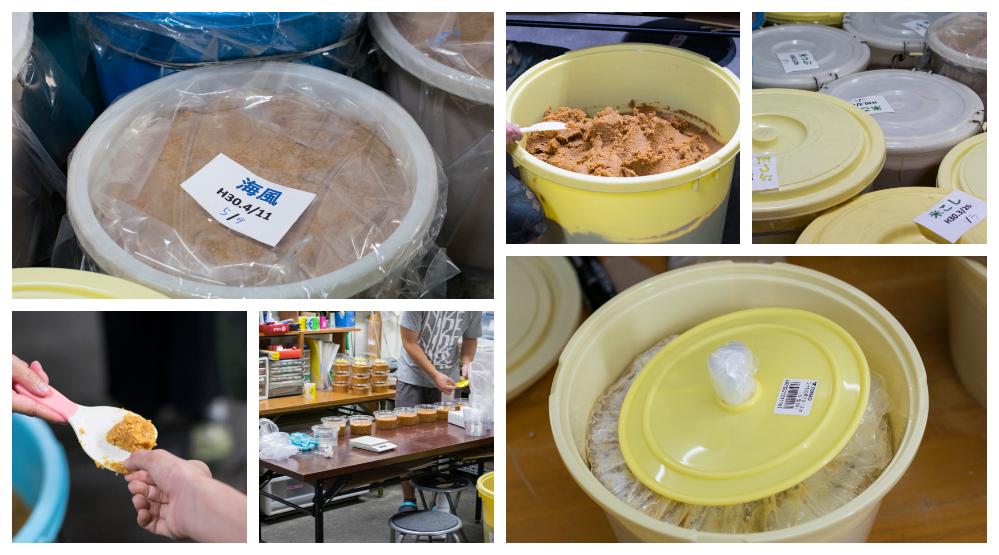
A six-photo collage from a miso workshop in Japan, built around big buckets of fermenting soybean paste. The largest frame shows an open white bucket packed with dense brown miso, its surface sealed under plastic wrap and marked with a handwritten Japanese label carrying a date. Next to it, rows of white and yellow lidded tubs hold other batches, one labeled in Japanese as rice koji. The remaining close-ups stay tight on the paste: a yellow bucket filled with smooth, caramel-colored miso with a small spoon resting in it, and a large yellow tub with its lid pushed aside to reveal plastic-wrapped miso inside. Two frames bring people in. One shows a hand offering a scoop of miso on a white spatula with a pink handle, held out over a blue bucket for a taste. In the other, a man in a gray t-shirt stands at a long table portioning miso into neat rows of small plastic containers, with shelves and a whiteboard behind him.
A six-photo collage from a miso workshop in Japan, built around big buckets of fermenting soybean paste. The largest frame shows an open white bucket packed with dense brown miso, its surface sealed under plastic wrap and marked with a handwritten Japanese label carrying a date. Next to it, rows of white and yellow lidded tubs hold other batches, one labeled in Japanese as rice koji. The remaining close-ups stay tight on the paste: a yellow bucket filled with smooth, caramel-colored miso with a small spoon resting in it, and a large yellow tub with its lid pushed aside to reveal plastic-wrapped miso inside.
Two frames bring people in. One shows a hand offering a scoop of miso on a white spatula with a pink handle, held out over a blue bucket for a taste. In the other, a man in a gray t-shirt stands at a long table portioning miso into neat rows of small plastic containers, with shelves and a whiteboard behind him.
ข้อความที่ปรากฏในภาพ
海風
H30.4.11
ความคิดเห็นของฉันเกี่ยวกับเวิร์กช็อป:

A man and a woman stand behind a table, each holding up a small round container of miso paste toward the camera. The man on the left wears a dark top with a black shoulder bag across his chest and holds a container of pale yellow miso. The woman on the right wears a dark shirt under a light apron and presents a container of darker reddish-brown miso. On the table in front of them sit a few more containers, one holding what looks like miso mixed with other ingredients. Behind them, the wall is covered with printed posters carrying Japanese text, one with a bright green title, suggesting a workshop or classroom setting for a miso-making course.
A man and a woman stand behind a table, each holding up a small round container of miso paste toward the camera. The man on the left wears a dark top with a black shoulder bag across his chest and holds a container of pale yellow miso. The woman on the right wears a dark shirt under a light apron and presents a container of darker reddish-brown miso. On the table in front of them sit a few more containers, one holding what looks like miso mixed with other ingredients. Behind them, the wall is covered with printed posters carrying Japanese text, one with a bright green title, suggesting a workshop or classroom setting for a miso-making course.
ข้อความที่ปรากฏในภาพ
普通の我が家です
天然酵母パン教室
ถ้าคุณสนใจอาหารญี่ปุ่นและมีโอกาสได้เข้าร่วมเวิร์กช็อปทำมิโซะแบบนี้ คุณควรลองดูอย่างแน่นอน ฉันไม่เคยคิดเลยว่าจะมีงานมากมายอยู่เบื้องหลังผลิตภัณฑ์ที่ดูธรรมดาอย่างมิโซะ สิ่งที่สนุกที่สุดคือการได้เรียนรู้เกี่ยวกับประเภทต่างๆ และวิธีการจำแนกประเภท และที่สำคัญที่สุดสำหรับพวกเรา: การเรียนรู้วิธีใช้มิโซะในการทำอาหารให้อร่อยจริงๆ
มาสัมผัสประสบการณ์มิโซะที่โตเกียวไปกับฉัน!
ถ้าคุณกำลังวางแผนเดินทางไปญี่ปุ่นและอยากดำดิ่งสู่โลกของมิโซะอย่างลึกซึ้ง ฉันมี ทัวร์มิโซะโตเกียว ให้! เราจะไปเยี่ยมร้านมิโซะเฉพาะทางด้วยกัน ชิมหลากหลายประเภท และคุณยังสามารถทำมิโซะของตัวเองกลับบ้านได้อีกด้วย เป็นประสบการณ์ลงมือทำจริงที่ฉันจะแบ่งปันความรู้เกี่ยวกับ วัฒนธรรมการหมักดองของญี่ปุ่น และช่วยให้คุณค้นพบรสชาติแท้ๆ ที่อยู่เหนือจุดท่องเที่ยวยอดนิยม ไม่ว่าคุณจะเป็นมือใหม่เรื่องมิโซะหรือเป็นแฟนตัวยงอยู่แล้ว ทัวร์ครึ่งวันนี้เหมาะสำหรับทุกคนที่อยากสัมผัสวัฒนธรรมอาหารญี่ปุ่นอย่างใกล้ชิด

ความคิดเห็น
บทความดีมาก ฉันทำมิโซะเอง เพราะไม่สามารถหาซื้อที่ดีๆ ได้ในบริเวณใกล้เคียง นี่เป็นประสบการณ์ที่แตกต่างออกไปอย่างสิ้นเชิง ที่ทำให้ได้รู้จักผลิตภัณฑ์และความหลากหลายของมันอย่างแท้จริง ขอแนะนำให้กับทุกคนที่ชื่นชอบอาหารญี่ปุ่นและกลิ่นรสที่เยี่ยมยอด
สวัสดี Kilian, นั่นฟังดูเยี่ยมมากเลย ลองโพสต์ความสำเร็จของคุณลงในเพจ Facebook ของเราดูสิ :) LG Matthias
เข้ามาเจอบล็อกของคุณจากการค้นหา Miso ใน Google - ได้แรงบันดาลใจมากมาย :-) เพิ่งสั่งซื้อหนังสือเกี่ยวกับเกาหลีของคุณ ตั้งตารออ่านเลย!
สวัสดี Birgit, นี่เป็นเรื่องที่ยอดเยี่ยมมากและทำให้พวกเราดีใจเป็นอย่างยิ่ง พวกเราได้ตั้งใจทำอย่างเต็มที่ :) ขอบคุณมากๆ สำหรับการสนับสนุน ด้วยความเคารพ Ryusei จาก RyuKoch
บทความที่ละเอียดครบถ้วนมาก แต่อะไรจะเกิดขึ้นกับแบคทีเรียกรดแล็กติกในมิโซะ หากมันถูกต้มรวมไปกับซุปเช่น?
ฉันสนใจแบคทีเรียกรดแล็กติกอยู่แล้ว แต่ถ้าพวกมันถูกทำลายเมื่อได้รับความร้อน คำสัญญาของมิโซะก็จะไม่มีอีกต่อไป
สวัสดีครับ Klaus, ก่อนอื่นขอบคุณมากครับ เราตั้งใจทำให้เต็มที่แล้ว แบคทีเรียกรดแลคติกส่วนใหญ่มักหายไปแล้ว เช่นเดียวกับ Sauerkraut Miso ก็ถูกพาสเจอร์ไรซ์เช่นกัน หมายความว่ามันถูกให้ความร้อนสูง เพื่อไม่ให้การหมักดำเนินต่อไป ข้อดีคือ การหมักจะไม่ดำเนินต่อไป และผลิตภัณฑ์ทุกชิ้นจึงมีรสชาติเหมือนกัน ปัญหาก็คือ วิตามินบางชนิดและแบคทีเรียกรดแลคติกจะสูญเสียไป สมมติว่าคุณมี Miso ที่ไม่ผ่านการพาสเจอร์ไรซ์ คุณควรใส่ Miso เป็นอย่างสุดท้ายเมื่อทำ Miso Shiru (ซุป Miso) อย่างแน่นอน สิ่งสำคัญมากคือ ซุปต้องไม่เดือดแล้วเป็นเวลาสักครู่ เพราะเมื่อนั้นซุปจะไม่ร้อนเกิน 70 องศาอีกต่อไป และแบคทีเรียกรดแลคติกและวิตามินจะยังคงอยู่ค่อนข้างสมบูรณ์ แต่โดยทั่วไปฉันแนะนำวิธีการนี้ เพราะกลิ่นรสจะคงอยู่ในซุปได้ดีกว่าการที่ต้ม Miso สูตรซุป Miso: https://ryukoch.com/de/rezepte/miso-shiru/ หวังว่าจะเป็นประโยชน์กับคุณนะครับ :) ด้วยความเคารพ Ryusei จาก RyuKoch