अनुक्रमणिका:
TL;DR
जापान में फल सिर्फ खाना नहीं, बल्कि एक luxury item माना जाता है। वहाँ के फल बेहद मीठे, स्वादिष्ट और तस्वीरों जैसे सुंदर होते हैं, और इसीलिए उनके दाम भी बहुत ऊँचे होते हैं। यहाँ तक कि एक आम के 500 यूरो तक चुकाने पड़ सकते हैं।फल कोई खास चीज़ नहीं है, आप ऐसा सोचते हैं? तो आपने यकीनन कभी जापानी फलों का अनुभव नहीं किया! एक तरफ़ जापान में कई तरह के अनूठे फल मिलते हैं, जिन्हें आपने शायद पहले कभी नहीं देखा होगा। लेकिन वे फल, जो जर्मनी में भी मिलते हैं और जापान में भी, वे यहाँ अलग तरह के दिखते हैं – और उनका स्वाद भी अलग होता है। जापानी फलों को "लक्ज़री आइटम" माना जाता है, न कि आम खाद्य पदार्थ के रूप में। इसी कारण वे जर्मनी के फलों की तुलना में काफी महंगे होते हैं (एक आम के लिए 500 यूरो तक का भाव कोई अजीब बात नहीं है)। दूसरी तरफ़, जापानी फल पूरी तरह परफेक्ट स्वाद के लिए जाने जाते हैं: उनका स्वाद बेहद मीठा और गाढ़ा होता है, और वे दिखने में भी एकदम किताबों की तरह आकर्षक होते हैं! साथ ही, जापानी फल अकसर काफ़ी बड़े होते हैं: जैसे, वहाँ अंगूर मिलते हैं जो प्लम जितने बड़े होते हैं! यहाँ हमने जापान में फलों की अजीब कीमतों पर एक विस्तार से लेख लिखा है।

जापान में कौन-कौन से फल मिलते हैं?
बड़े शहरों में तो लगभग हर तरह का फल मिल जाता है, भले ही कई किस्में जापान में न उगती हों बल्कि आयात की जाती हैं। खुद जापान में कई अनोखे खट्टे फल उगते हैं, जिन्हें हम यूरोप में नहीं जानते। यहाँ जैसे जापानी संतरे की अपनी ही एक किस्म है। साथ ही, सेब और नाशपाती की कई खास जापानी किस्में भी हैं। वहाँ ऐसी भी प्लम मिलती हैं, जिन्हें सिर्फ़ अचार बनाकर खाया जाता है, और फल जिन्हें मुख्य रूप से मसाले के तौर पर काम में लिया जाता है। यहाँ हम आपके लिए जापान के आम फलों की एक सूची लेकर आए हैं।
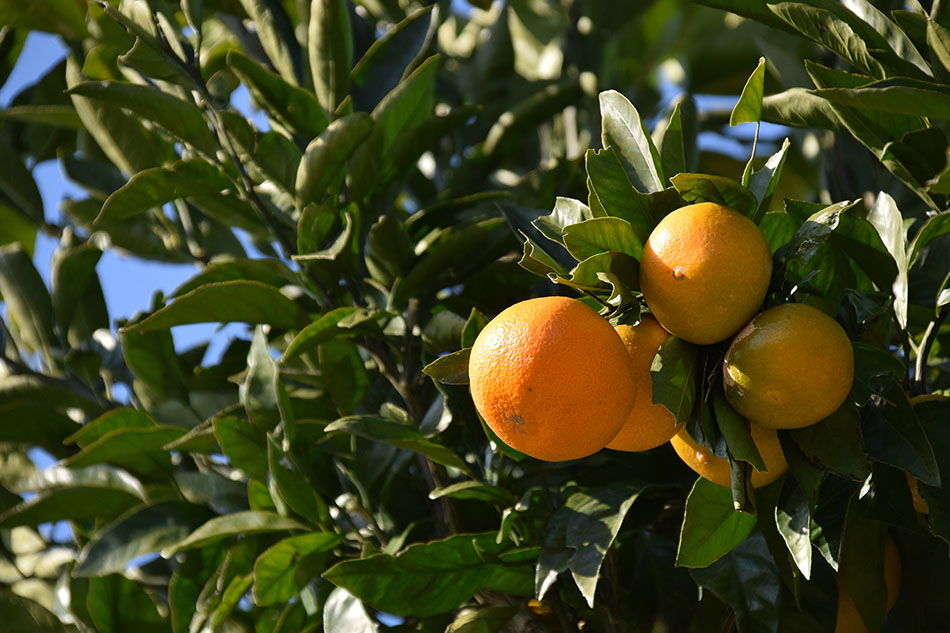
मिकान - जापानी संतरा़
A cluster of ripe mikan, Japan's mandarin oranges, hangs on a leafy citrus tree under strong sunshine. One round, deep-orange fruit sits front and center, its dimpled peel catching the light, while a few others cluster just behind it, partly shaded by the foliage. Glossy dark-green leaves fill most of the frame, with bright blue sky peeking through gaps in the canopy. The scene reads like a warm autumn day in a Japanese citrus grove, the fruit looking heavy and ready to pick.
A cluster of ripe mikan, Japan's mandarin oranges, hangs on a leafy citrus tree under strong sunshine. One round, deep-orange fruit sits front and center, its dimpled peel catching the light, while a few others cluster just behind it, partly shaded by the foliage. Glossy dark-green leaves fill most of the frame, with bright blue sky peeking through gaps in the canopy. The scene reads like a warm autumn day in a Japanese citrus grove, the fruit looking heavy and ready to pick.
छवि में दिखाई देने वाला पाठ
No text is clearly readable.
यह स्वादिष्ट छोटी खट्टे फल की किस्म काफी हद तक मंडरिन या टेंजरिन की याद दिलाती है। हालांकि इसका मूल स्थान चीन है, लेकिन कई सौ सालों से जापान में यह बेहद लोकप्रिय है। 2013 तक वास्तव में मिकान जापान में सबसे ज्यादा खाया जाने वाला फल था। अब हालांकि केला और सेब ने इसकी जगह ले ली है। मिकान को छीलना बहुत आसान है, और इसका गूदा मीठा और मुलायम होता है। चूंकि मिकान को अक्टूबर से जनवरी के दौरान तोड़ा जाता है, तो ज्यादातर जापानी इसे सर्दी के महीनों से जोड़ते हैं। हालांकि, मिकान गर्मियों में भी मिल जाती है। उस समय यह कई तरह की आइस डेजर्ट्स में डाली जाती है। अक्सर इस फल को सीधे फ्रीज़ कर खा लिया जाता है, या मिकान के रस से आइसक्रीम बनती है। वैसे, कई जापानी लोगों के बगीचे में अपना मिकान पेड़ भी होता है।
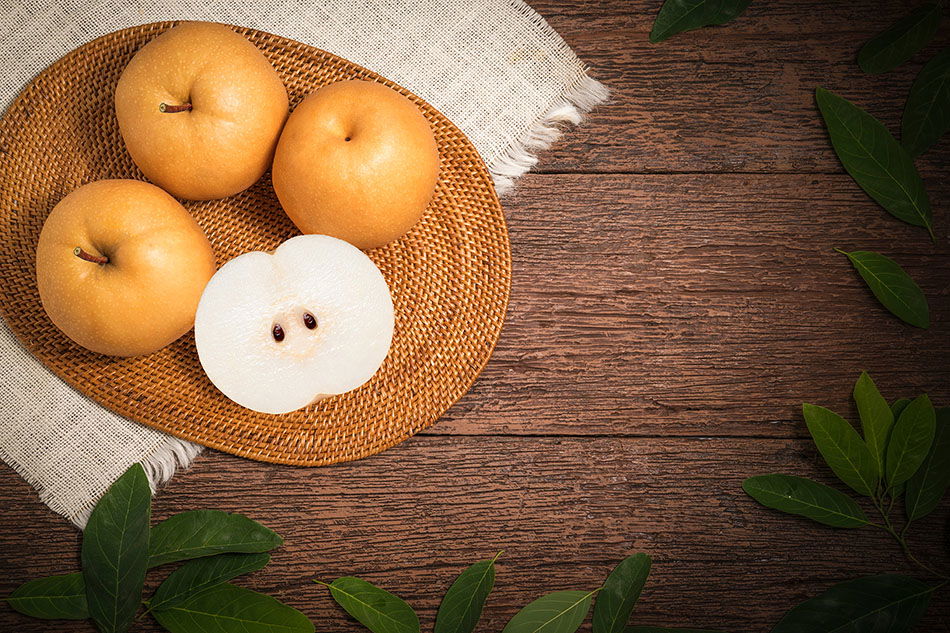
नाशी - जापानी नाशपाती
A woven rattan tray sits on a fringed cloth over dark rustic wood, holding four golden-brown Asian pears. One is cut in half, showing crisp white flesh with a small central seed cavity, which makes the round, apple-like shape of the nashi pear clear. A few green leaves are scattered around the wooden surface, giving the still life a fresh, natural look.
A woven rattan tray sits on a fringed cloth over dark rustic wood, holding four golden-brown Asian pears. One is cut in half, showing crisp white flesh with a small central seed cavity, which makes the round, apple-like shape of the nashi pear clear. A few green leaves are scattered around the wooden surface, giving the still life a fresh, natural look.
छवि में दिखाई देने वाला पाठ
No clearly readable text found in the image.
ऐसे नाशपाती जो सेब की तरह दिखती हैं? जी हाँ! नाशी-नाशपाती बड़ी, गोल और कुरकुरी होती हैं – और ये पारंपरिक जापानी फल मानी जाती हैं। हालांकि इन्हें छिलके सहित भी खाया जा सकता है, लेकिन प्रायः इन्हें छीलकर टुकड़ों में काटकर परोसा जाता है। इन्हें पूरे-के-पूरे खाते हुए (जैसे हम सेब खाते हैं) बहुत कम लोग खाते हैं। इस लोकप्रिय नाशपाती से जेली-डेजर्ट भी खूब बनाए जाते हैं, जिन्हें अक्सर गिफ्ट भी करते हैं। वैसे नाशी-नाशपाती की कई उप-किस्में भी हैं। नाशी-नाशपाती के साथ बनी बेकरी प्रोडक्ट्स भी बेहद लोकप्रिय हैं, जैसे नाशपाती टार्टलेट्स, जो आपको वहाँ की स्टाइलिश बेकरीज़ में मिल जाएंगी।
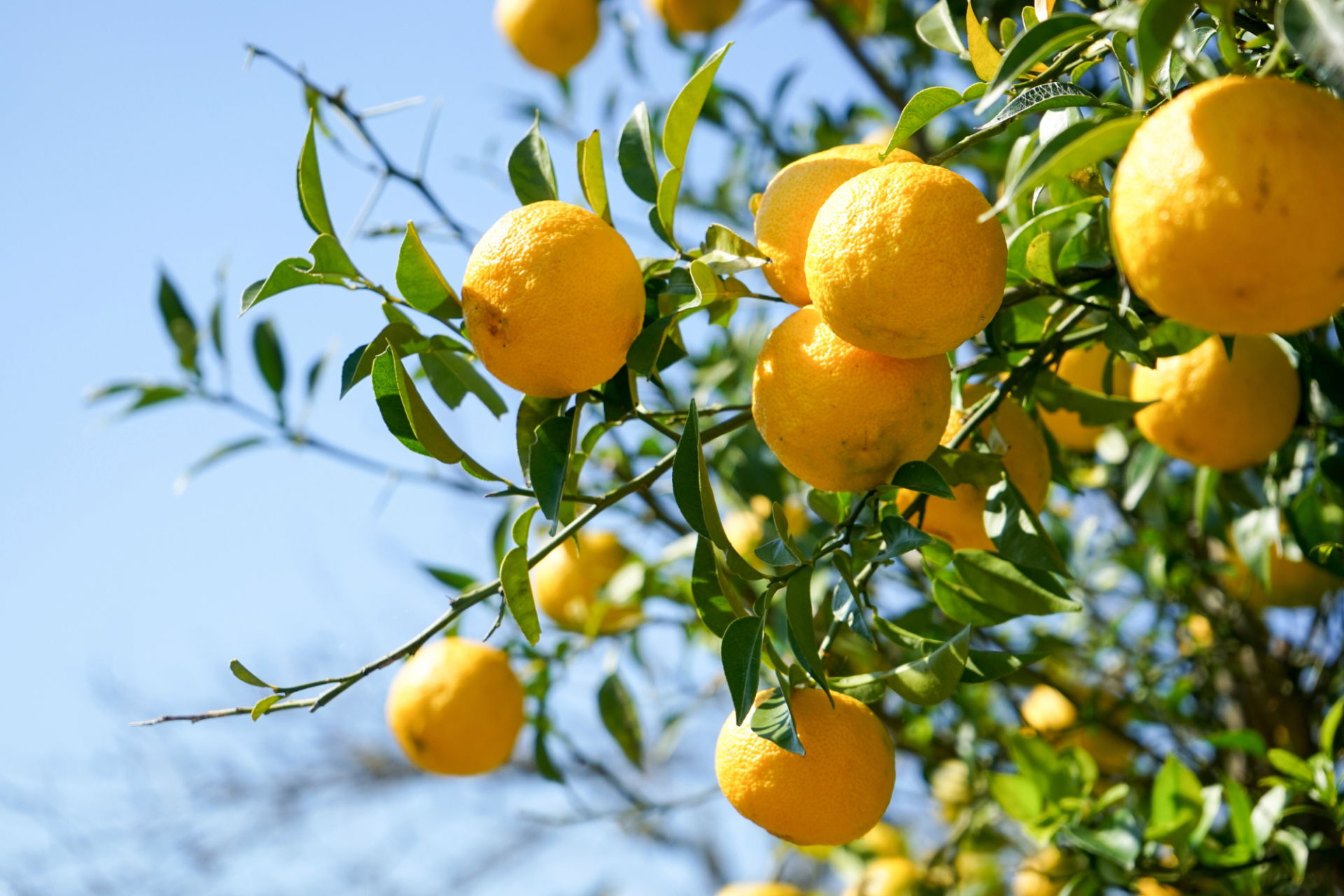
युज़ू - खट्टा फल

देखने में भले यह सिकुड़ी हुई नींबू की तरह दिखती हो, लेकिन इसका स्वाद बिलकुल अलग है! युज़ू का अपना अनोखा स्वाद है, जो हल्का मीठा, खट्टा और साथ ही थोड़ा कड़वा भी है। इसका गूदा हल्का रंग का होता है और इसमें कई बीज होते हैं। सामान्यतः इसे कच्चा नहीं खाते, बल्कि खाने और मिठाइयों में फ्लेवर के तौर पर काम में ले आते हैं। जैसे युज़ू से बनी पोंज़ू सॉस बहुत लोकप्रिय है। यह ग्रिल्ड मछली या मांस, सूप और सशिमी के साथ बहुत अच्छा लगती है। साथ ही युज़ू से बने मसाले भी मिलते हैं, जो सूखी, पिसी हुई युज़ू के छिलके से बनाए जाते हैं और कई मिठाइयों, टोफू, रेमन और टेमपुरा में डाले जाते हैं। इसका थोड़ा और जटिल रूप है युज़ुकोशो, जिसमें मिर्च और नमक भी डाला जाता है। युज़ू का रस भी काफी लोकप्रिय है – खासकर सर्दियों में गर्म पानी के साथ पीते हैं। युज़ू फ्लेवर वाली मिठाइयाँ भी खूब मिलती हैं: लॉली, चिप्स आदि! अंत में यह जादुई फल जापानी सौंदर्य उत्पादों में भी काम आता है: कमरे की खुशबू, स्नान लवण, लिप बाम सहित बढोतरी उत्पाद युज़ू (अथवा कम-से-कम युज़ू के स्वाद) के आधार पर बनाए जाते हैं। जिज्ञासु हैं? यहाँ इस फल पर एक अलग लेख है:
काकी (जापानी पर्सिमोन)
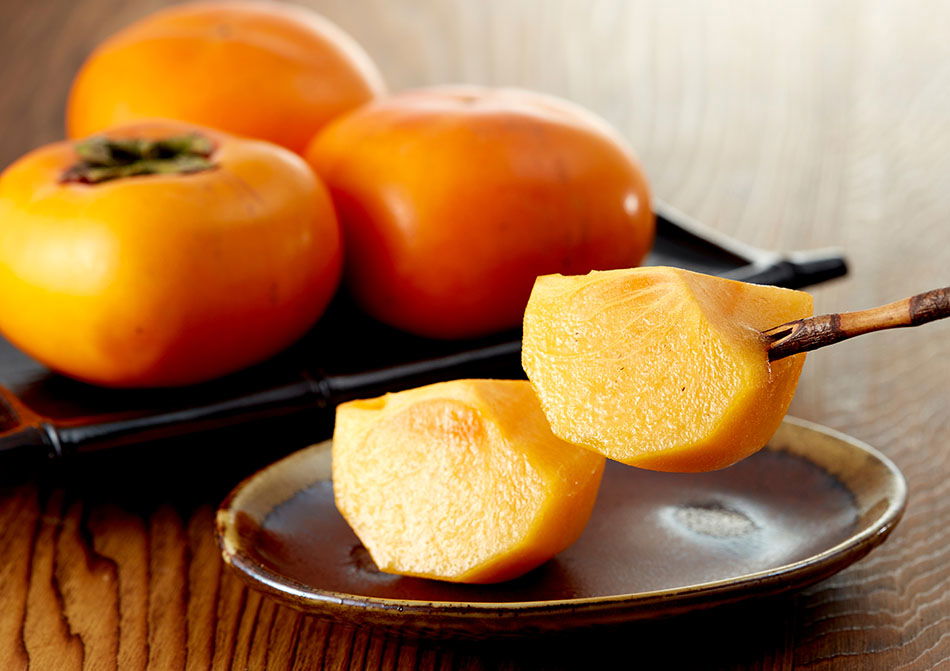
Three glossy orange persimmons (kaki) sit on a dark lacquered tray at the back of the frame, one still wearing its green leafy calyx. In front of them, the fruit has been peeled and cut into thick wedges arranged on a small brown-glazed ceramic dish. One wedge is skewered on a rough wooden pick and lifted toward the camera, showing the dense, juicy, amber flesh in sharp detail while the whole fruits behind it fade into soft focus. Everything rests on a warm wooden surface, giving the photo the feel of a careful Japanese fruit presentation where the cut piece is the highlight.
Three glossy orange persimmons (kaki) sit on a dark lacquered tray at the back of the frame, one still wearing its green leafy calyx. In front of them, the fruit has been peeled and cut into thick wedges arranged on a small brown-glazed ceramic dish. One wedge is skewered on a rough wooden pick and lifted toward the camera, showing the dense, juicy, amber flesh in sharp detail while the whole fruits behind it fade into soft focus. Everything rests on a warm wooden surface, giving the photo the feel of a careful Japanese fruit presentation where the cut piece is the highlight.
छवि में दिखाई देने वाला पाठ
No clearly readable text.
यह जापान के सबसे पसंदीदा पतझड़ के फलों में से एक है! जापान में दो तरह की काकी-पर्सिमोन पाई जाती हैं: एक जिसमें टैनिन ज्यादा होता है (हचिया-गाकी), और एक जिसमें टैनिन कम होता है (फयू-गाकी)। कम टैनिन वाली किस्म को काफ़ी सख्त अवस्था में खाते हैं – इतनी सख्त कि इसे छीलकर सेब की तरह टुकड़ों में काटना पड़ता है। वहीं हचिया-गाकी केवल बहुत पके और नरम हालत में खाई जाती है। तब इसे छिलके से चम्मच से खाया जाता है या म्यूसली/पोरिज के ऊपर डाला जाता है। कभी-कभी ये केक और मिठाइयों में भी मिलाई जाती है।
उम्मे

इस प्लम किस्म (जो असल में एक प्रकार की खुबानी है) को कच्चा नहीं खाना चाहिए – कच्चा यह जहरीला होता है। इसलिए या तो इसे नमक में डाला जाता है (उमेबोशी) या जैम बनाते हैं। नमक में डूबी, किण्वित उम्मे (उमेबोशी) बेहद सेहतमंद है और जापानी व्यंजन में आम मिलती है। यह बहुत खट्टी और नमकीन होती है, और सफेद चावल के साथ शानदार लगती है। आजकल शहद में डूबी उम्मे भी मिलती है, जो काफी मीठी होती है। उम्मे से उम्मेशू भी बनाया जाता है – यानी प्लम वाइन। आप यह घर पर भी आसानी से बना सकते हैं!

क्योहो - अंगूर
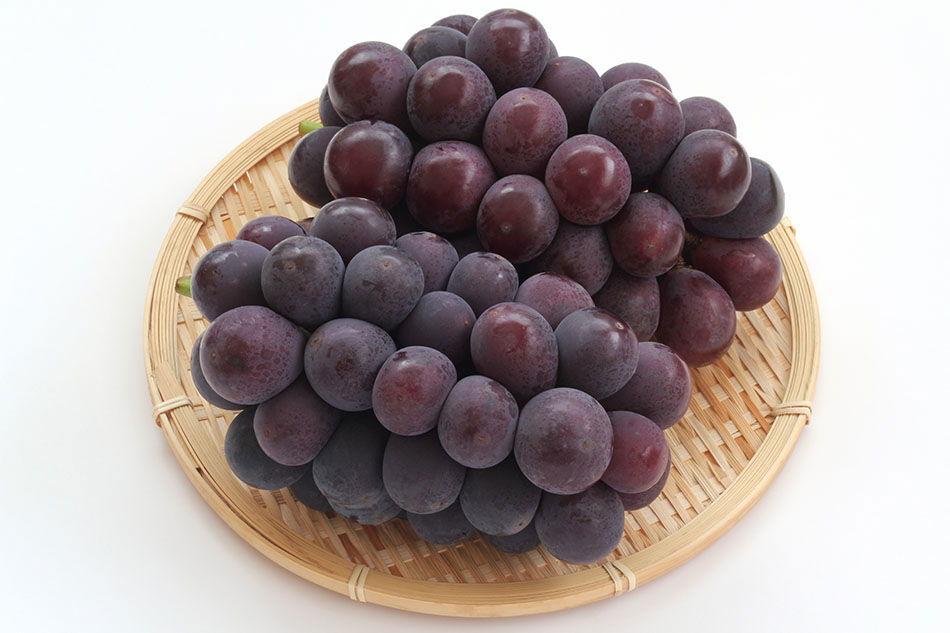
A pile of Kyoho grapes fills most of the frame, resting on a round woven bamboo tray against a plain white background. The grapes are noticeably large and plump, with deep purple skin so dark it looks almost black in places, and a dusty natural bloom that gives them a soft, matte sheen. Several tight clusters overlap each other, spilling slightly over the edge of the tray, and the pale woven bamboo shows through the gaps between them. It reads as a simple product-style shot that emphasizes just how big and glossy these premium Japanese grapes are.
A pile of Kyoho grapes fills most of the frame, resting on a round woven bamboo tray against a plain white background. The grapes are noticeably large and plump, with deep purple skin so dark it looks almost black in places, and a dusty natural bloom that gives them a soft, matte sheen. Several tight clusters overlap each other, spilling slightly over the edge of the tray, and the pale woven bamboo shows through the gaps between them. It reads as a simple product-style shot that emphasizes just how big and glossy these premium Japanese grapes are.
छवि में दिखाई देने वाला पाठ
No text is clearly readable in the image.
प्लम जितने बड़े अंगूर: यही हैं क्योहो। इनका रंग गहरा नीला से लेकर बैंगनी तक होता है और इनका स्वाद भी कमाल का मीठा होता है। क्योहो को खाने से पहले अक्सर छीलते हैं, क्योंकि इसका छिलका – और बीज भी – थोड़े कड़वे होते हैं। अगस्त-सितंबर के दौरान क्योहो अंगूर पकते हैं, लेकिन तब भी ये लक्ज़री फल माने जाते हैं और काफी महंगे होते हैं। बहुत से क्योहो किसान अंगूर तोड़ने का अनुभव भी पर्यटकों के लिए पेश करते हैं।
काबोसु - खट्टा फल
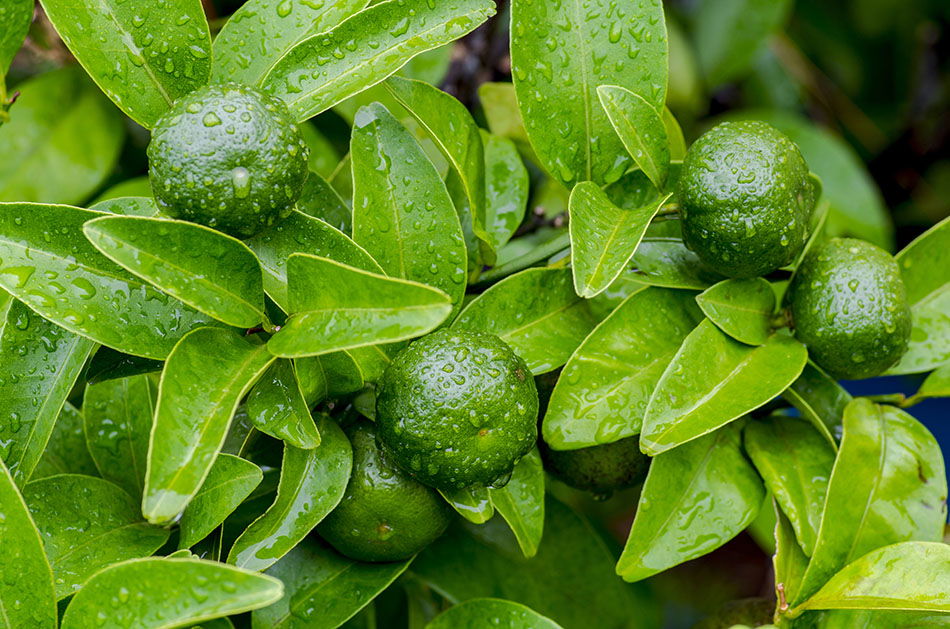
Close-up of a kabosu tree, a Japanese citrus fruit, with several round green fruits hanging among dense leaves. The bumpy, unripe rinds and the elongated glossy leaves are both beaded with water droplets, giving the whole scene a fresh, just-rained look. The fruits sit at different depths in the frame, some sharply in focus in the foreground and others softening into the greenery behind them.
Close-up of a kabosu tree, a Japanese citrus fruit, with several round green fruits hanging among dense leaves. The bumpy, unripe rinds and the elongated glossy leaves are both beaded with water droplets, giving the whole scene a fresh, just-rained look. The fruits sit at different depths in the frame, some sharply in focus in the foreground and others softening into the greenery behind them.
छवि में दिखाई देने वाला पाठ
No text is clearly readable in the image.
इस खट्टी जिंस को अक्सर लाइम समझ लिया जाता है – जबकि यह असल में युज़ू की रिश्तेदार है! काबोसु का रस अदरक और शहद के साथ मिलाकर एक स्वादिष्ट रिफ्रेशिंग ड्रिंक बनाया जाता है। कई रेसिपी में इसे सिरके की जगह डाला जाता है। काबोसु मछली व्यंजन में भी खासा प्रिय है, क्योंकि इसकी खट्टास मछली की गंध को कम कर देती है।
किंकन
छोटी, गोल और स्वादिष्ट: किंकन (या कुमक्वाट) को छिलके के साथ ही खाया जाता है। इनका सीज़न सर्दियों में होता है। किंकन में कई आवश्यक विटामिन होते हैं और इन्हें सर्दी-जुकाम की रोकथाम और इलाज के घरेलू उपाय के तौर पर जाना जाता है। किंकन स्वाद में काफी खट्टी और ताज़गी देने वाली होती है, लेकिन ये काफी जूसी भी होती हैं। इन्हें सूखे फल के रूप में खाया जाता है, जैम में डाला जाता है और बिस्कुट में सामग्री के तौर पर मिलाते हैं।
सुदाची
यह छोटी खट्टी फल भी सिकुड़ी हुई लाइम से मिलती-जुलती है। यह बेहद खट्टी होती है – इतनी खट्टी कि इसे फल के तौर पर नहीं खाया जाता। इसका जूस स्वाद के लिए इस्तेमाल होता है। सुदाची की जगह नींबू या लाइम काम में ली जाती है। लगभग सभी सुदाची जो जापान में खाई जाती हैं, वे तोकुशिमा प्रांत से आती हैं – वहाँ यह हरी फल आइसक्रीम, अल्कोहलिक पेय से लेकर सॉफ्ट ड्रिंक्स आदि में खूब डाली जाती है। सुदाची को पारंपरिक जापानी व्यंजनों जैसे सोबा, उदोन और नाबे के डेकोरेशन के लिए भी इस्तेमाल किया जाता है।
फूजी-सेब
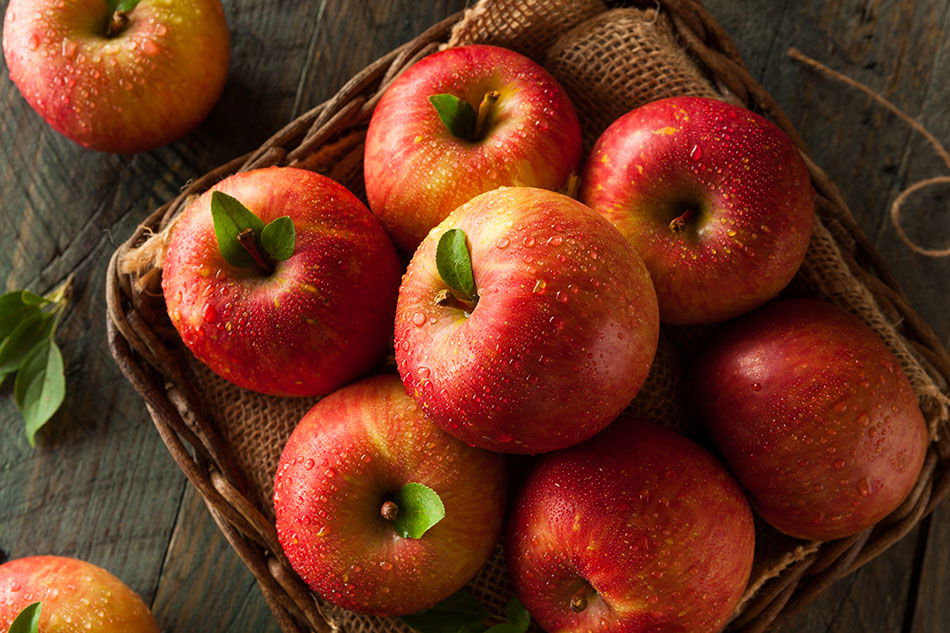
A shallow woven basket lined with coarse burlap holds a pile of fresh Fuji apples, photographed from above on a dark, weathered wooden table. The apples are plump and glossy, red blushed with golden yellow, and every skin is beaded with fine water droplets that make them look just washed. Several still carry their small green leaves at the stem, a touch often kept on premium Japanese fruit. Two loose apples rest at the corners of the frame beside a scattered leaf, so the basket nearly fills the view. The rough twine, dark wood, and dewy fruit give the whole scene a rustic harvest feel while pointing at something sold as a luxury product rather than an everyday snack.
A shallow woven basket lined with coarse burlap holds a pile of fresh Fuji apples, photographed from above on a dark, weathered wooden table. The apples are plump and glossy, red blushed with golden yellow, and every skin is beaded with fine water droplets that make them look just washed. Several still carry their small green leaves at the stem, a touch often kept on premium Japanese fruit. Two loose apples rest at the corners of the frame beside a scattered leaf, so the basket nearly fills the view. The rough twine, dark wood, and dewy fruit give the whole scene a rustic harvest feel while pointing at something sold as a luxury product rather than an everyday snack.
छवि में दिखाई देने वाला पाठ
No text is clearly readable in the image.
यह सेब दुनियाभर में खाया जाता है, लेकिन यह मूल रूप से जापान का है और असल में विभिन्न अमेरिकी सेबों की क्रॉस ब्रिडिंग का नतीजा है। फिर भी फूजी-सेब अब तक जापान की सबसे पसंदीदा सेब किस्म है। ये सेब काफ़ी बड़े हो सकते हैं और इनका स्वाद बेहद मीठा और शानदार होता है। इन्हें सीधे भी खाते हैं, या मिठाइयों में डालते हैं। कैंडीड फूजी-सेब जापानी मेलों और त्योहारों में खासी पसंदीदा ट्रीट है। ये सेब काफी समय तक खराब नहीं होते: फ्रिज में रखने पर पूरे साल चले जाते हैं। इसलिए आप इन्हें पूरे साल जापान में खरीद सकते हैं।
जापानी आड़ू
आड़ू (या "मोमो", जैसा जापानी में कहते हैं) जापान में बेहद बड़े, बहुत जूसी और स्वादिष्ट बनाए गए हैं। कई दशकों तक जापानी आड़ू के दमदार स्वाद और बेहतरीन गुणवत्ता के लिए लगातार पैदावार सुधारते गए हैं। अब तो फलों को काटने के पहले उसका शुगर कंटेंट भी मापा जाता है। जापान में आड़ू का सीज़न जुलाई से सितंबर के बीच होता है। इनमें छिलका मोटा होता है, इसीलिए आमतौर पर इन्हें छीलकर और टुकड़ों में परोसा जाता है। इन्हें केक, मिठाइयाँ, जूस, नींबू पानी, यहाँ तक कि मीठे पेस्ट्रीज में भी भरावन के तौर पर इस्तेमाल करते हैं।
सतोनिशिकी-चेरी
जापान चेरी ब्लॉसम (सुरखा फूलों) के लिए मशहूर है – लेकिन ज्यादातर चेरी के पेड़ों पर फल नहीं लगते। इसीलिए हल्की लाल रंग वाली सतोनिशिकी-चेरी, जो शुरुआती गर्मियों में पकती है, एकमात्र जापानी चेरी किस्म है। चेरी उत्पादन में 70% हिस्सा सिर्फ़ यामागाता प्रांत से आता है! सतोनिशिकी-चेरी भी लक्ज़री फल मानी जाती है और बेहद महंगी हो सकती है। इसका स्वाद बहुत मीठा होता है, और चमकदार लाल छिलका और सफेद गूदा इसकी खासियत है।
शीकुवासा
कहा जाता है कि यह ओकिनावा के निवासियों की लंबी उम्र के कई रहस्यों में से एक है। शीकुवासा-खट्टे फल में बहुत अधिक विटामिन सी होता है, और यह संभवतः कैंसर, डायबिटीज़ और लीवर डैमेज से बचाव में मददगार है। कुछ स्टडीज़ के मुताबिक यह अल्जाइमर की दवा के रूप में भी इस्तेमाल हो सकती है! यह फल अधपका रहने पर बहुत खट्टा और हरा होता है, लेकिन पूरी तरह पकने पर पीला और हल्का मीठा हो जाता है। इसका ज्यूस एवं जैम बनाया जाता है। शीकुवासा आमतौर पर नींबू की तरह काम में आता है, ग्रिल मछली पर डाला जाता है या ड्रिंक व मिठाइयों में डाला जाता है।
जापानी हनीड्यू मेलन
फलों का लक्ज़री स्वरूप: यही है जापानी हनीड्यू मेलन। कहा जाता है कि जापानी तरबूज दुनिया के सबसे बेहतरीन होते हैं, लेकिन 220 यूरो का एक फल आपको बहुत लगता है, है न? जापान में नहीं! यहाँ की मेलनों को दुनिया की सबसे महंगी फल भी माना जाता है। वे पूरी तरह गोल होती हैं, किसान इन्हें हाथ से मालिश करते हैं ताकि इनका स्वाद अधिक मीठा हो सके, और इनमें कभी कोई गड्ढा या धब्बा नहीं दिखाई देता।
टिप्पणियाँ