
अनुक्रमणिका:
कहा जाता है कि नाश्ता दिन का सबसे महत्वपूर्ण भोजन है। इसी राय में जापानी लोग भी विश्वास रखते हैं। वे सुबह, दोपहर और शाम को संतुलित और विविध भोजन करते हैं। इस तरह वे अपने शरीर को दिन की शुरुआत में ही सभी जरूरी पोषक तत्व दे देते हैं। लगभग सभी जापानी भोजन की तरह, नाश्ते में भी कई तरह की चीज़ें परोसी जाती हैं। नाश्ता या तो छोटी-छोटी सर्विंग्स में एक ट्रे पर परोसा जाता है – या फिर बफे के रूप में। तस्वीरों में आप एक शानदार नाश्ते का बफे देख सकते हैं, जिसका मैंने जापान यात्रा के दौरान एक होटल में आनंद लिया।
एक भोजन में सभी मैक्रो-पोषक तत्व
जापानी लोग यूँ ही दुनिया की सबसे दुबली, फिट और सेहतमंद कौमों में से एक नहीं हैं! नाश्ते की टेबल पर आमतौर पर कार्बोहाइड्रेट्स, प्रोटीन और हेल्दी फैट्स का अच्छा संतुलन आता है। इसे ताजे सब्ज़ियों और फलों के साथ और बेहतर बनाया जाता है।
एक पारंपरिक जापानी नाश्ते में क्या होता है?
अगर आप पहली बार जापानी नाश्ता देखते हैं, तो हो सकता है आपको यह दोपहर या रात के खाने जैसा लगे। वास्तव में, जापान में भाप में पकाया हुआ चावल वगैरह सुबह ही खा लिया जाता है। जापानी नाश्ते के मुख्य घटक हैं:
- भाप में पकाया गया चावल
- मिसो सूप
- मछली (अक्सर ग्रिल की गई)
- छोटी-छोटी साइड डिशेज, जैसे अचार वाली सब्ज़ी ( त्सुकेमोनो ), नोरी
- सब्ज़ी की साइड डिशेस/सलाद (कोबाची)
- अन्य प्रोटीन स्त्रोत: ऑमलेट, टोफू या नट्टो (फर्मेंटेड सोयाबीन)
ये व्यंजन सुनने में जरूर पेट भरने वाले लगते हैं, लेकिन इन्हें छोटी-छोटी मात्रा में परोसा जाता है। साथ ही, नाश्ते के व्यंजन हमेशा हल्के और कम वसा वाले होते हैं। तैलीय, भारी या तली-भुनी चीज़ें बहुत कम ही देखने को मिलती हैं। नाश्ते के साथ आमतौर पर हरा चाय पी जाती है।
चावल, मछली, सब्ज़ियां, साग और बहुत कुछ!
जापानी नाश्ता बिल्कुल भी बोरिंग नहीं है। यहाँ कुछ व्यंजन दिए गए हैं, जिन्हें आप शायद जापानी नाश्ते की मेज पर पाएंगे। वैसे, चावल हमेशा नाश्ते में एक जरूरी तत्व होता है!
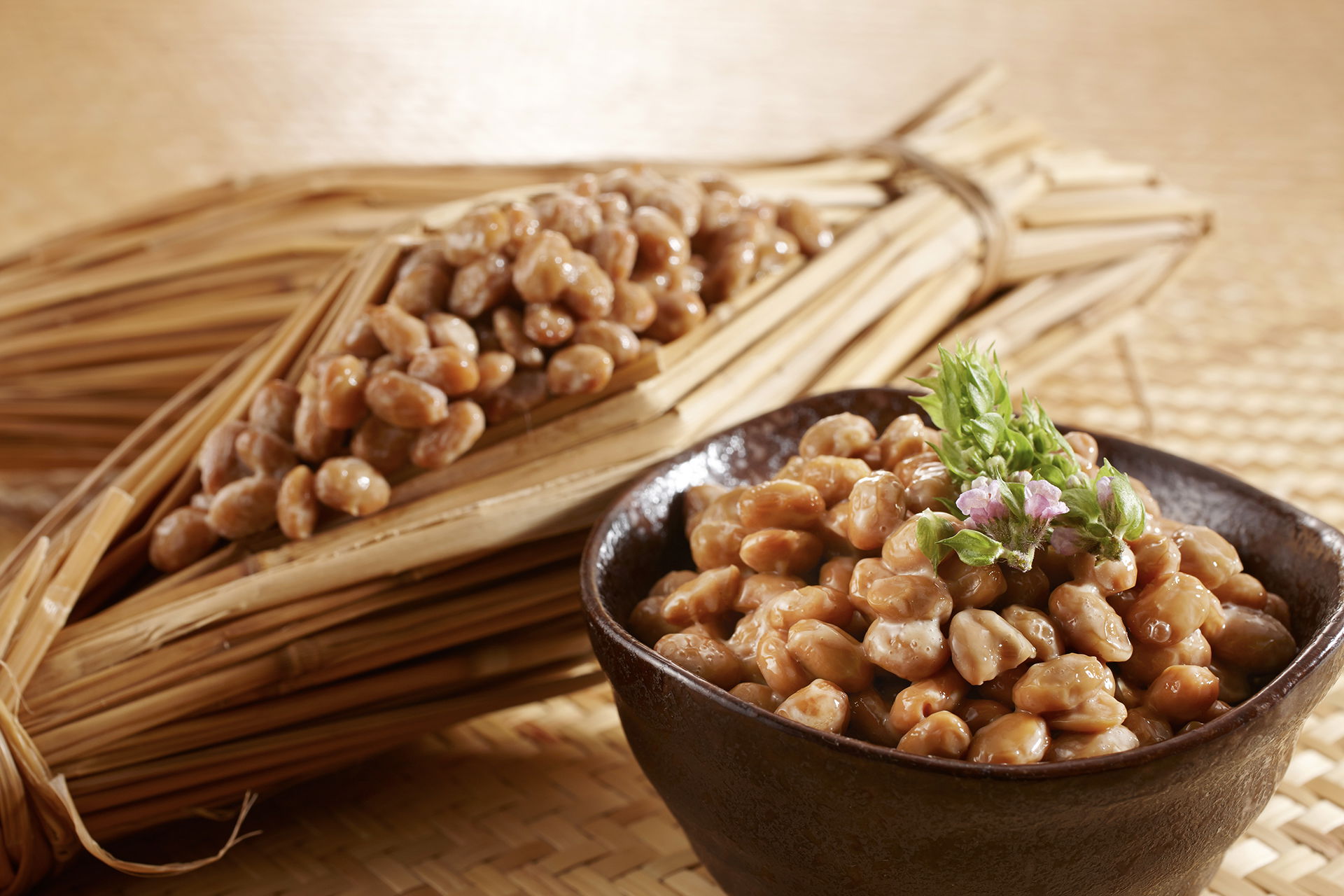
नट्टो
यह जापान का प्रिय नाश्ता है। नट्टो फर्मेंटेड सोयाबीन से बनता है और इसमें बहुत अधिक प्रोटीन होता है। इसका स्वाद काफी स्ट्रॉन्ग होता है और आमतौर पर इसे सूखे बोनिटो फ्लेक्स, स्वाद वाले साग के स्ट्रिप्स और हरे प्याज के साथ परोसा जाता है।
तामागो काके गोहान
यह आसान सी नाश्ते की डिश कार्बोहाइड्रेट और प्रोटीन को एक ही खाने में जोड़ती है। गरम भाप में पके चावल को कच्चे अंडे से टॉप किया जाता है और सोया सॉस से स्वाद दिया जाता है। आप चॉपस्टिक्स से चावल और अंडे को मिला देते हैं और चावल की गर्मी से अंडा थोड़ा फेंट जाता है और हल्के से भाप में पक भी जाता है। कभी-कभी इसे "जापानी रिसोट्टो" भी कहा जाता है।
ओनिगिरी
यह "नाश्ते का सुशी" मुख्य रूप से भरे हुए चावल के बॉल्स से बना होता है, जिन्हें अक्सर साग की परत में लपेटा जाता है। भरावन में सलमन, अचार वाली बेर से लेकर कीमा भी हो सकता है।
नोरी त्सुकुदानी
यह पेस्ट अक्सर नाश्ते के साथ मिलती है। यह साग और सोया सॉस के मिश्रण को पकाकर बनाई जाती है।

A big white rice cooker sits front and center on a hotel breakfast buffet table, its control panel and lid handle facing the camera. The brand name Tiger is printed on the panel. Behind it, the rice station continues with a stack of black bowls, a metal bucket holding a ladle, and a small white sign with Japanese characters marking the rice server. At the right edge, a person's hands reach into a large wooden rice tub, lifting the lid to scoop out fresh rice. The table is dressed in a dark blue cloth, and a white teapot with green tea cups wait in the foreground. Wood paneling and a red fire extinguisher fill the background, giving the scene the plain, functional feel of a Japanese hotel breakfast room where rice is the anchor of the morning spread.
A big white rice cooker sits front and center on a hotel breakfast buffet table, its control panel and lid handle facing the camera. The brand name Tiger is printed on the panel. Behind it, the rice station continues with a stack of black bowls, a metal bucket holding a ladle, and a small white sign with Japanese characters marking the rice server. At the right edge, a person's hands reach into a large wooden rice tub, lifting the lid to scoop out fresh rice. The table is dressed in a dark blue cloth, and a white teapot with green tea cups wait in the foreground. Wood paneling and a red fire extinguisher fill the background, giving the scene the plain, functional feel of a Japanese hotel breakfast room where rice is the anchor of the morning spread.
छवि में दिखाई देने वाला पाठ
炊飯
保温
TIGER

A Japanese breakfast buffet spread sits on a table covered with a blue cloth. In the foreground, a box holds rows of peeled hard-boiled eggs, and several white bowls offer vegetable side dishes: a dark seaweed salad, a leafy green dish, simmered root vegetables, and other small cooked sides, each with a serving spoon or tongs. A small black sign with handwritten Japanese text stands among the bowls. In the background, guests stand at the buffet with plates, and tofu is visible at the left edge of the table.
A Japanese breakfast buffet spread sits on a table covered with a blue cloth. In the foreground, a box holds rows of peeled hard-boiled eggs, and several white bowls offer vegetable side dishes: a dark seaweed salad, a leafy green dish, simmered root vegetables, and other small cooked sides, each with a serving spoon or tongs. A small black sign with handwritten Japanese text stands among the bowls. In the background, guests stand at the buffet with plates, and tofu is visible at the left edge of the table.
छवि में दिखाई देने वाला पाठ
No text is clearly readable with high confidence in this image. The only visible writing is a small handwritten sign, but its cursive strokes, angle, and resolution make the characters uncertain, so per the rules it is omitted.
मछली तो जरूरी है!
मछली जापानी नाश्ते का बहुत महत्वपूर्ण हिस्सा है। इसे कई तरीकों से परोसा जा सकता है: ग्रिल की गई, हल्के से भुनी हुई या सुखाकर। बहुत लोकप्रिय है याकिजाकाना (ग्रिल्ड फिश)। इसे बहुत सिंपल सिर्फ नमक के साथ तैयार किया जाता है। नाश्ते में अक्सर सालमन परोसा जाता है, लेकिन हॉर्स मैकेरल भी एक फेवरेट ब्रेकफास्ट फिश है। यहाँ आप एक जापानी होटल का नाश्ता देख सकते हैं, जहाँ मेरी आँखों के सामने ही मछली ग्रिल की गई थी। स्वादिष्ट!

A cook in a white short-sleeved uniform grills whole small fish over a rectangular tabletop grill. The fish are laid out in a row on the wire mesh, their skins browned and crisp from the heat, and the cook holds a metal tray holding more grilled fish in one hand and tongs in the other, moving between tray and grill. The grill itself is a simple clay or ceramic box with a black metal frame and mesh top, set on a dark blue cloth. Behind it is a wood-paneled wall with a framed panel, giving the scene the feel of a Japanese kitchen or dining counter where grilled fish, a staple of a traditional breakfast, is prepared to order.
A cook in a white short-sleeved uniform grills whole small fish over a rectangular tabletop grill. The fish are laid out in a row on the wire mesh, their skins browned and crisp from the heat, and the cook holds a metal tray holding more grilled fish in one hand and tongs in the other, moving between tray and grill. The grill itself is a simple clay or ceramic box with a black metal frame and mesh top, set on a dark blue cloth. Behind it is a wood-paneled wall with a framed panel, giving the scene the feel of a Japanese kitchen or dining counter where grilled fish, a staple of a traditional breakfast, is prepared to order.
छवि में दिखाई देने वाला पाठ
No clearly readable text is present in the image.
तैयारी: एकदम आसान!
आपको लगता है, यह सब बहुत झंझट वाला और पेचीदा है? ऐसा बिल्कुल भी नहीं! असल में, जापानी घरों में जो नाश्ता बनता है, वह ज़्यादातर ऐसे व्यंजनों से बनता है, जो या तो पहले से लगभग तैयार होते हैं या झटपट बनाए जा सकते हैं। चावल अधिकतर जापानी किचन में राइस कुकर में पकता है। मिसो सूप तैयार सूप बेस के तौर पर आता है। अक्सर पिछले दिन की बची सूप भी होती है। अचार वाली सब्ज़ियों और नोरी जैसी चीज़ें तो हर जापानी घर में होती हैं। और नट्टो (फर्मेंटेड सोयाबीन) भी रेडीमेड मिल जाता है। अगर आप खुद जापानी नाश्ता बनाना चाहते हैं, तो इन चार चीज़ों के अपने लिए सबसे आसान वर्शन पर ही ध्यान दें: चावल, सूप, प्रोटीन (मछली, टोफू या ऑमलेट) और कोबाची (सब्ज़ी की साइड डिशेज और सलाद)।
टिप्पणियाँ