अनुक्रमणिका:
TL;DR
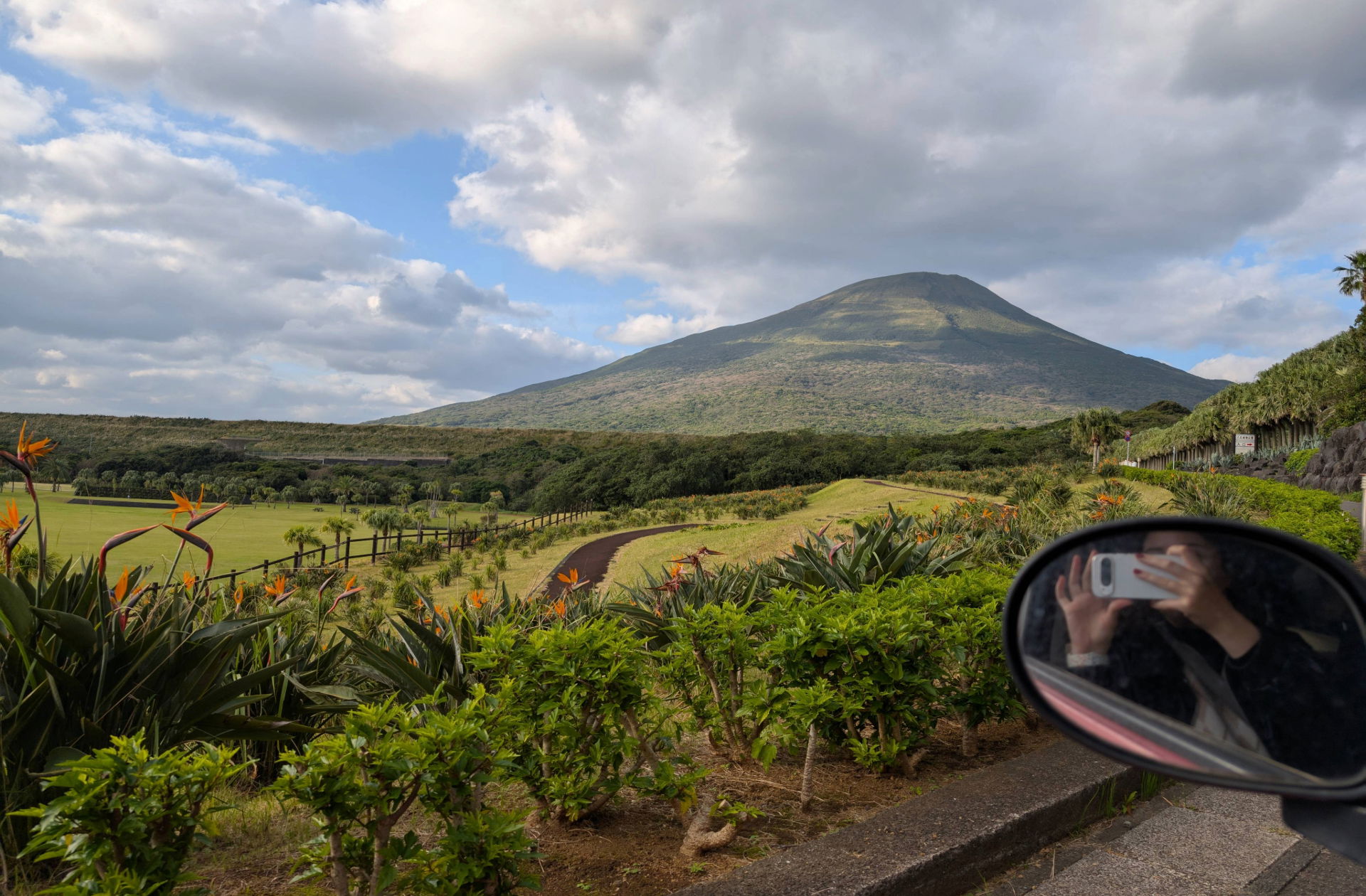
हचिजो-जिमा टोक्यो से सिर्फ 45 मिनट की उड़ान दूर एक हरा-भरा ज्वालामुखी द्वीप है, जहाँ घने जंगल, गरम पानी के झरने (ओनसेन) और बेहद कम भीड़ वाला माहौल मिलता है। द्वीप घूमने के लिए किराए की गाड़ी लगभग ज़रूरी है, क्योंकि बसें बहुत कम चलती हैं। बजट तय करके आइए: फ्लाइट के राउंड ट्रिप में लगभग 35,000 येन और गाड़ी में रोज़ाना करीब 5,000 येन खर्च होता है।Hachijō-jima, ज्वालामुखीय मूल का एक द्वीप है, जो टोक्यो से लगभग 300 किलोमीटर दक्षिण में प्रशांत महासागर में स्थित है और प्रशासनिक रूप से जापान की राजधानी के अधीन आता है। यह द्वीप इज़ु द्वीप श्रृंखला और फूजी-हकोने-इज़ु राष्ट्रीय उद्यान का हिस्सा है। हचिजो-जिमा को इज़ु श्रृंखला के अन्य द्वीपों से जो अलग बनाता है, वह है इसका उप-उष्णकटिबंधीय जलवायु और इसके कारण उत्पन्न घना, लगभग जंगल जैसा वनस्पति जीवन। द्वीप अपने अद्भुत प्राकृतिक सौंदर्य, ज्वालामुखीय परिदृश्य, आरामदायक Onsen और सांस्कृतिक पर्यटन स्थलों का अनूठा मिश्रण प्रस्तुत करता है।
Hachijō-jima का इतिहास बेहद रोचक है। पुरातात्विक खोजों से पता चलता है कि यह द्वीप Jōmon-युग (लगभग 14,000 - 300 ईसा पूर्व) में ही बसा हुआ था। Edo-युग (1603-1868) में यह द्वीप अपराधियों और राजनीतिक विरोधियों के लिए निर्वासन स्थल के रूप में काम करता था। सबसे प्रसिद्ध निर्वासितों में Ukita Hideie थे, जो Sekigahara की लड़ाई में हार गए थे। उनके वंशजों को केवल Meiji-पुनर्स्थापना के बाद, 1869 में क्षमा दी गई। द्वीप का निर्वासितों का स्थान होने का इतिहास स्थानीय संस्कृति व पहचान में बसा हुआ है और Hachijō-jima को अनूठा वातावरण देता है।
व्यक्तिगत रूप से, द्वीप ने मुझे खासकर शरद ऋतु में प्रभावित किया, जब टोक्यो में पहले से ठंडी हवाएं चल रही थीं। हरे-भरे जंगल और ऊबड़-खाबड़ तटीय परिदृश्य ने एक खास आकर्षण का एहसास दिलाया। Hachijō-jima की एक और खासियत है कि यहाँ पर्यटन का विकास बहुत कम हुआ है। छोड़ी गईं इमारतें, जैसे कि पुराना Hachijo Royal Hotel, पिछली पर्यटन-समृद्धि की चिह्न हैं और द्वीप में रोमांच और नॉस्टेल्जिया का अनुभव कराते हैं। अनछुई प्रकृति और अतीत की यादों के इस विपरीत सम्मिश्रण में ही Hachijō-jima की असली खूबसूरती छिपी है।
Hachijō-jima पहुँचने और घूमने के तरीके
हवाई जहाज से Hachijō-jima तक यात्रा
हवाई जहाज से पहुँचना सबसे तेज और आरामदायक विकल्प है। टोक्यो (Haneda हवाई अड्डा) से उड़ान केवल 45 मिनट लेती है और इस दौरान बर्फ़ से ढँके Mount Fuji और आस-पास के द्वीपों के अद्भुत दृश्य देखने को मिलते हैं। अपनी उड़ान के दौरान मैंने कालीन-सरीखी बादलों की परत के ऊपर से एक शानदार सूर्यास्त और बर्फ से ढँके Fuji की चोटी को देखा। आज के आधुनिक स्मार्टफोन यात्रियों को इन खास पलों – जैसे कि विमान की खिड़की से सूर्यास्त या Fuji का दृश्य – शानदार गुणवत्ता में कैद करने की सहूलियत देते हैं। उड़ान की लागत लगभग 35,000 येन प्रति व्यक्ति (आने-जाने) बैठती है, जो इस खास द्वीप अनुभव के लिए एकदम उचित है।

Seen from an airplane window, Mount Fuji rises above a thick blanket of clouds at sunset. The volcano's perfectly shaped cone stands in dark silhouette against a sky glowing in soft orange and peach tones, with its lower slopes fading into the hazy cloud layer below. A curved edge of the aircraft's engine is visible in the bottom left corner, confirming the view from the window seat. Wispy clouds catch the warm light overhead, giving the whole scene a calm, golden glow.
Seen from an airplane window, Mount Fuji rises above a thick blanket of clouds at sunset. The volcano's perfectly shaped cone stands in dark silhouette against a sky glowing in soft orange and peach tones, with its lower slopes fading into the hazy cloud layer below. A curved edge of the aircraft's engine is visible in the bottom left corner, confirming the view from the window seat. Wispy clouds catch the warm light overhead, giving the whole scene a calm, golden glow.
छवि में दिखाई देने वाला पाठ
No clearly readable text found in the image.
फेरी से Hachijō-jima तक
हवाई मार्ग के अलावा, Hachijō-jima फेरी के जरिए भी पहुँचा जा सकता है। फेरी टोक्यो (Takeshiba Pier) और इज़ु द्वीपों के अन्य बंदरगाहों से चलती हैं। लगभग 10 घंटे की यात्रा में आप आराम से द्वीप पर पहुँच सकते हैं। फेरी संबंधी जानकारी, समय-सारणी और कीमतें Tokai Kisen की वेबसाइट पर उपलब्ध हैं।
किराये की कार - Hachijō-jima पर स्वतंत्रता और लचीलापन
एयरपोर्ट पर उतरते ही हमने ENEOS Rent a Car से एक कॉम्पैक्ट K-Car किराए पर लिया। 5,000 येन प्रति दिन (बीमा समेत) की कीमत जापान के लिहाज से ठीक है। भले ही हमारी किराये की कार बहुत नई नहीं थी (लगभग 99,999 किलोमीटर चल चुकी थी), लेकिन काम में बिल्कुल फिट थी। हमारे चार दिन के प्रवास में कुल खर्च (टैंक भरवा कर लौटाना भी शामिल) 22,000 येन था। एक सुझाव: चूंकि कार किराये पर देने वाले का खुद का पेट्रोल पंप भी था, हम कार टंकी फुल के साथ वापस कर सके और हवाई जहाज के पहले टैंक भरवाने की झंझट नहीं रही।
द्वीप घूमने के लिए किराये की कार लगभग अनिवार्य है ताकि आप पूरी आज़ादी से सब जगह जा सकें। एक और बढ़िया पहलू यह था कि एयरपोर्ट पर फोन करने के बाद कार-वाले ने हमें सीधा वहीं से पिक कर लिया, जिससे टैक्सी का किराया भी बच गया।

A small pink kei car, a boxy Japanese mini hatchback, sits parked at night in a rental car lot on Hachijō-jima. The photo is taken from the side at close range, showing its tall windows, roofline rain guards, and simple silver hubcaps with a Nissan logo. A white sign on the wall behind it reads "レンタカー" (rental car) with a phone number, and other sedans in similar reddish shades are parked around it under bright lot lighting. It is exactly the kind of tiny rental you would pick up to loop around the island.
A small pink kei car, a boxy Japanese mini hatchback, sits parked at night in a rental car lot on Hachijō-jima. The photo is taken from the side at close range, showing its tall windows, roofline rain guards, and simple silver hubcaps with a Nissan logo. A white sign on the wall behind it reads "レンタカー" (rental car) with a phone number, and other sedans in similar reddish shades are parked around it under bright lot lighting. It is exactly the kind of tiny rental you would pick up to loop around the island.
छवि में दिखाई देने वाला पाठ
レンタカー-あります
TEL 2-2006
वैकल्पिक परिवहन विकल्प
- सार्वजनिक बसें: Hachijō-jima पर बसें कम चलती हैं और रूट भी सीमित हैं। यहाँ दो बस रूट हैं: "Community Bus Route" (शहर के मध्य Okago और Mitsune क्षेत्रों में चलती है) और "Public Bus Route" (पाँचों क्षेत्रों–Mitsune, Okago, Kashitate, Nakanogo, Sueyoshi–को जोड़ती है)। टाइम टेबल और रूट की जानकारी "Hachijo Town Bus" की वेबसाइट पर मिलती है।

A white local bus on Hachijō-jima rolls down a sunny street, its side painted with big, playful illustrations of passion fruit and lemons, plus a few small flowers near the front. Japanese characters and the number 156 are printed beside the doors. Behind it stand a low tiled-roof building and tropical greenery under a blue sky with puffy clouds, giving the island its "Japan's Hawaii" feel.
A white local bus on Hachijō-jima rolls down a sunny street, its side painted with big, playful illustrations of passion fruit and lemons, plus a few small flowers near the front. Japanese characters and the number 156 are printed beside the doors. Behind it stand a low tiled-roof building and tropical greenery under a blue sky with puffy clouds, giving the island its "Japan's Hawaii" feel.
छवि में दिखाई देने वाला पाठ
八丈島 156
29-19
- ई-बाइक: शहर में और कुछ तटीय हिस्सों में ई-बाइक मिल सकती हैं। ये छोटे रास्तों या समतल तटीय इलाकों की सैर के लिए ठीक हैं, लेकिन पहाड़ी हिस्सों के लिए ये कम उपयुक्त हैं।

Three red rental e-bikes stand side by side at a bike-share docking station on a sunny, brick-paved lot. Each bike has a black front basket, a small digital display with a QR code on the handlebars, and a black cover over the rear wheel with stickers and a red reflector. They are the compact, step-through style typical of Japanese city cycles. To the left, a white signboard marks the station: a red bicycle logo, a price of ¥275, the station number 07, and the name of the Kaminato Port parking area in both Japanese and English, identifying the spot as a cycle port on Hachijō-jima. A metal railing and a bit of greenery run behind the bikes.
Three red rental e-bikes stand side by side at a bike-share docking station on a sunny, brick-paved lot. Each bike has a black front basket, a small digital display with a QR code on the handlebars, and a black cover over the rear wheel with stickers and a red reflector. They are the compact, step-through style typical of Japanese city cycles.
To the left, a white signboard marks the station: a red bicycle logo, a price of ¥275, the station number 07, and the name of the Kaminato Port parking area in both Japanese and English, identifying the spot as a cycle port on Hachijō-jima. A metal railing and a bit of greenery run behind the bikes.
छवि में दिखाई देने वाला पाठ
八文字島サ
¥275
24
07 神湊港(庁士
駐車場
Kamimato Port (Shokodo) Parking Area
会員登録はアプリから!
バイクシェア アブル
https://docomo-cycle.jp/app_tutorial/
- टैक्सी: द्वीप पर टैक्सियाँ उपलब्ध हैं, लेकिन किराये की कार या बस की तुलना में महंगी हैं।
Hachijō-jima पर आवास
Tiny Camp House 月海
हमारे प्रवास के दौरान हमने Tiny Camp House 月海 में रातें बिताईं। यह जगह Sueyoshi क्षेत्र की पहाड़ियों के बीच काफी एकांत में है, शहर के केंद्र से 30 मिनट और एयरपोर्ट से 15 मिनट की ड्राइव पर। यहाँ तक पहुँचने के लिए हर दिन घुमावदार सड़कों से होकर गुजरना भी रोमांचक था। पास ही लोकप्रिय Onsen 'Miharashi-no-Yu' है, जो दुर्भाग्यवश हमारे प्रवास के वक्त मरम्मत के कारण बंद था। Tiny Camp House की शांत जगह ने रोज की सैर के बाद बेहतरीन विश्राम स्थल दिया। खास बात थी यहाँ से विशाल चट्टानों और समुद्र का अद्भुत नज़ारा। एक छोटी सी समस्या यह रही कि प्रकृति के बीच होटल के कमरे में भी कुछ कीड़े-मकोड़े थे। गूगल मैप्स पर देखें

A cozy little cabin bedroom built around one wide bed with beige bedding. Two rolled-up towels or light blankets sit on the bed, and pillows rest against a dark wall with a rough, black stone texture. A tall paper floor lamp glows beside the head of the bed. On the left, the whitewashed plank wall is covered by a yellow and white striped curtain, a second slim paper lamp stands in front of it, and a door painted in soft pastel patches leads out. Rolled towels in pastel colors wait in a laundry basket on the white plank floor. Everything about the room, from the simple wood construction to the warm lamplight, gives it the feel of a small island retreat like a tiny camp house on Hachijō-jima.
A cozy little cabin bedroom built around one wide bed with beige bedding. Two rolled-up towels or light blankets sit on the bed, and pillows rest against a dark wall with a rough, black stone texture. A tall paper floor lamp glows beside the head of the bed. On the left, the whitewashed plank wall is covered by a yellow and white striped curtain, a second slim paper lamp stands in front of it, and a door painted in soft pastel patches leads out. Rolled towels in pastel colors wait in a laundry basket on the white plank floor. Everything about the room, from the simple wood construction to the warm lamplight, gives it the feel of a small island retreat like a tiny camp house on Hachijō-jima.
छवि में दिखाई देने वाला पाठ
No clearly readable text is present in the image.
Hachijō-jima पर अन्य आवास
हमारे Tiny Camp House के अलावा Hachijō-jima विभिन्न बजट और जरूरत के अनुसार कई आवास विकल्प प्रदान करता है। होटल, पारंपरिक जापानी Ryokan, गेस्टहाउस और कैम्पिंग साइट्स में से चुन सकते हैं। कुछ प्रसिद्ध विकल्प हैं:
- Hachijo View Hotel: पारंपरिक जापानी माहौल और समुद्र-दृश्य वाला होटल।
- Hachijojima Park Hotel: एयरपोर्ट के पास स्थित और आरामदायक कमरे तथा रेस्तरां युक्त होटल।
- Seadive Dormitory: किफायती कीमत में हॉस्टल और बेफिक्र माहौल।
Hachijō-jima पर गतिविधियाँ और दर्शनीय स्थल
Hachijō-jima प्रकृति प्रेमियों, साहसिक यात्रियों और संस्कृति-रुचि रखने वालों के लिए विभिन्न गतिविधियाँ व दर्शनीय स्थल प्रस्तुत करता है। ये रहे कुछ हाइलाइट्स, जो हमने अपनी यात्रा में अनुभव किए:
Hachijō-jima के तट पर मछली पकड़ना
Hachijō-jima की तटीय रेखा मछली पकड़ने वालों के लिए स्वर्ग है। चट्टानी हिस्सों पर हमने स्थानीय लोगों और पर्यटकों को मछली पकड़ते देखा। मछलियों की विविधता हमारी अपेक्षाओं से कहीं अधिक थी। हमने कई ऐसी प्रजातियाँ पकड़ीं, जो हमने पहले कभी नहीं देखीं थीं।

The photo pairs two night-fishing shots from a harbor on Hachijō-jima. On the left, two freshly caught squirrelfish lie on dark, speckled concrete: one a vivid red with fine white striping along its body and a spiky dorsal fin, the other smaller and more orange-bronze. Both still have their hooks in, with bright red floats and line trailing beside them, and the tip of a rod juts into the frame at the edge. The right half shows the scene the catch came from. A fishing rod leans against the edge of a concrete pier, propped over calm teal water that glows under the harbor lights. A small white boat sits moored across the water near a low seawall lined with streetlights, their reflections shimmering on the surface under a pitch-black sky. Bollards with ropes and a coiled white line sit on the quay in the foreground.
The photo pairs two night-fishing shots from a harbor on Hachijō-jima. On the left, two freshly caught squirrelfish lie on dark, speckled concrete: one a vivid red with fine white striping along its body and a spiky dorsal fin, the other smaller and more orange-bronze. Both still have their hooks in, with bright red floats and line trailing beside them, and the tip of a rod juts into the frame at the edge.
The right half shows the scene the catch came from. A fishing rod leans against the edge of a concrete pier, propped over calm teal water that glows under the harbor lights. A small white boat sits moored across the water near a low seawall lined with streetlights, their reflections shimmering on the surface under a pitch-black sky. Bollards with ropes and a coiled white line sit on the quay in the foreground.
छवि में दिखाई देने वाला पाठ
No clearly readable text is present in the image.

A lone fisherman crouches on a dark, jagged volcanic rock ledge above a choppy, glittering sea. He wears a bright yellow bandana and dark clothing and is bent over an open green and white cooler box at his feet, reaching into it with both hands. A fishing rod lies on the rocks beside him. The rest of the frame is filled with wind-ruffled ocean water, its surface streaked with foam and reflected light. The scene is on the rocky coast of Hachijō-jima, a Pacific island south of Tokyo.
A lone fisherman crouches on a dark, jagged volcanic rock ledge above a choppy, glittering sea. He wears a bright yellow bandana and dark clothing and is bent over an open green and white cooler box at his feet, reaching into it with both hands. A fishing rod lies on the rocks beside him. The rest of the frame is filled with wind-ruffled ocean water, its surface streaked with foam and reflected light. The scene is on the rocky coast of Hachijō-jima, a Pacific island south of Tokyo.
छवि में दिखाई देने वाला पाठ
No clearly readable text found.

Three photos side by side capture the Hachijō-jima aquarium and botanical garden. On the left, bright magenta bougainvillea blooms spill across a wooden trellis inside a glass-walled greenhouse thick with tropical leaves. The center shot is an underwater close-up of a spotted pufferfish, its huge dark eye and white-dotted body sharp against a blurry seabed of coral rubble and pebbles. The right panel shows the facility's interior: an octagonal hall of warm wooden panels rising to a glass skylight cupola, a raised pool in the middle with two sea turtles resting on a platform, touchscreen display stands in the foreground, framed seascape photos along the walls, and a couple of visitors near a desk at the far end.
Three photos side by side capture the Hachijō-jima aquarium and botanical garden. On the left, bright magenta bougainvillea blooms spill across a wooden trellis inside a glass-walled greenhouse thick with tropical leaves. The center shot is an underwater close-up of a spotted pufferfish, its huge dark eye and white-dotted body sharp against a blurry seabed of coral rubble and pebbles. The right panel shows the facility's interior: an octagonal hall of warm wooden panels rising to a glass skylight cupola, a raised pool in the middle with two sea turtles resting on a platform, touchscreen display stands in the foreground, framed seascape photos along the walls, and a couple of visitors near a desk at the far end.
छवि में दिखाई देने वाला पाठ
No clearly readable text found.

A muntjac stands in close-up on Hachijō-jima, its head filling the right side of the frame. The small deer has a rusty orange-brown coat, a dark stripe running down its forehead, and pale ears turned forward. Its mouth is slightly open, showing a hint of its tongue, as if caught mid-chew right next to a black wire fence that runs along the concrete edge on the right. Behind it, two more muntjacs graze with their heads down in a grassy enclosure, softly out of focus. The shallow depth of field keeps all the attention on the near animal's face and its short, coarse fur.
A muntjac stands in close-up on Hachijō-jima, its head filling the right side of the frame. The small deer has a rusty orange-brown coat, a dark stripe running down its forehead, and pale ears turned forward. Its mouth is slightly open, showing a hint of its tongue, as if caught mid-chew right next to a black wire fence that runs along the concrete edge on the right.
Behind it, two more muntjacs graze with their heads down in a grassy enclosure, softly out of focus. The shallow depth of field keeps all the attention on the near animal's face and its short, coarse fur.
छवि में दिखाई देने वाला पाठ
No clearly readable text is present in the image.

A sweeping panorama from high on a volcanic peak on Hachijō-jima, looking down on the island's rugged coastline. Steep, densely forested green mountains slope toward the Pacific, their ridgelines softening into a hazy, pale sky. A narrow coastal road winds along the base of the cliffs, crossing a long white viaduct that stands out against the dark slopes. Below, a small town of low white and red-roofed buildings spreads across the green valley floor, and a curved breakwater shelters a harbor at the edge of the calm, silvery sea. The soft, warm light suggests early morning or late afternoon, giving the whole scene a quiet, remote island feel.
A sweeping panorama from high on a volcanic peak on Hachijō-jima, looking down on the island's rugged coastline. Steep, densely forested green mountains slope toward the Pacific, their ridgelines softening into a hazy, pale sky. A narrow coastal road winds along the base of the cliffs, crossing a long white viaduct that stands out against the dark slopes. Below, a small town of low white and red-roofed buildings spreads across the green valley floor, and a curved breakwater shelters a harbor at the edge of the calm, silvery sea. The soft, warm light suggests early morning or late afternoon, giving the whole scene a quiet, remote island feel.
छवि में दिखाई देने वाला पाठ
No clearly readable text is present in the image.

Two photos side by side show a volcano climb on Hachijō-jima. In the left one, a hiker in a black jacket with a white hood pulled over their head and a small white shoulder bag walks down a narrow dirt path along a grassy ridge. Tall pale grasses lean across the trail, the ocean spreads out hazy below, and a steep green peak closes off the far end of the ridge under a soft blue sky with scattered clouds. The right photo turns toward the mountain itself. Dense green shrubs and broad leaves fill the foreground, and the low sun catches the rocky crest of the crater rim, lighting the ridgeline in warm orange while the slopes below stay in deep green shadow.
Two photos side by side show a volcano climb on Hachijō-jima. In the left one, a hiker in a black jacket with a white hood pulled over their head and a small white shoulder bag walks down a narrow dirt path along a grassy ridge. Tall pale grasses lean across the trail, the ocean spreads out hazy below, and a steep green peak closes off the far end of the ridge under a soft blue sky with scattered clouds.
The right photo turns toward the mountain itself. Dense green shrubs and broad leaves fill the foreground, and the low sun catches the rocky crest of the crater rim, lighting the ridgeline in warm orange while the slopes below stay in deep green shadow.
छवि में दिखाई देने वाला पाठ
No clearly readable text found in the image.
वनस्पति उद्यान एवं एक्वेरियम
Hachijō-jima का बोटैनिकल गार्डन हर दर्शक के लिए जरूरी है। यहाँ प्रवेश निशुल्क है तथा यहाँ तरह-तरह के ट्रॉपिकल और उप-ट्रॉपिकल पौधे हैं। खास पसन्द आए वहां घूमते पालतू Mini-Rehe, जिनको पास से निहारा जा सकता है। ये Hirsch की एक दुर्लभ Zwergmuntjak प्रजाति हैं। साथ ही, जुड़ा हुआ एक्वेरियम द्वीप की underwater दुनिया दिखाता है, जहाँ सबसे प्यारे Kugelfische देखने को मिले।
Hachijō-Fuji (Mt. Nishi) – ज्वालामुखी चढ़ाई और पैनोरमिक दृश्य
Hachijō-Fuji, जिसे Mt. Nishi भी कहते हैं, 854 मीटर ऊँचा ज्वालामुखी है, जो उत्तर-पश्चिम द्वीप-परिदृश्य पर छाया हुआ है। 1280 सीढ़ियों की यह चढ़ाई थका देती है, लेकिन चोटी से दिखाई देने वाला दृश्य मन मोह लेता है। Caldera की प्राकृतिकता, झीलें और Asama-श्रीन एक रहस्यमय माहौल रचते हैं। Hachijō-Fuji सक्रिय ज्वालामुखी है, जिसकी 10,000 साल पुरानी कहानी है। अंतिम विस्फोट 1605 में रिकॉर्ड हुआ था। 2002 में आए भूकंपीय झुंडों के झटके इसके सक्रिय ज्वालामुखीय स्वभाव की याद दिलाते हैं।

A two-part photo from a moss-draped forest shrine on Hachijō-jima, the subtropical island south of Tokyo. On the left, a weathered stone torii gate stands crooked and gray, its surfaces furred with lichen, framed by gnarled trees hung with strands of pale green beard lichen. Ferns crowd the base, and a sliver of red-and-gold brocade peeks out from behind the trunk. The right panel shows the shrine's stone pile: dozens of smooth round rocks stacked beside a path paved with dark river stones, many of them hand-painted white with Japanese wishes. One large stone reads 健康 (health), another 彼女 (girlfriend). Above the pile, a rough torii built from unhewn logs leans among the twisted trunks, giving the whole scene the feel of a forgotten shrine reclaimed by the forest.
A two-part photo from a moss-draped forest shrine on Hachijō-jima, the subtropical island south of Tokyo. On the left, a weathered stone torii gate stands crooked and gray, its surfaces furred with lichen, framed by gnarled trees hung with strands of pale green beard lichen. Ferns crowd the base, and a sliver of red-and-gold brocade peeks out from behind the trunk.
The right panel shows the shrine's stone pile: dozens of smooth round rocks stacked beside a path paved with dark river stones, many of them hand-painted white with Japanese wishes. One large stone reads 健康 (health), another 彼女 (girlfriend). Above the pile, a rough torii built from unhewn logs leans among the twisted trunks, giving the whole scene the feel of a forgotten shrine reclaimed by the forest.
छवि में दिखाई देने वाला पाठ
健康
彼女
田村
Tamaishi – Edo-युग की समय-यात्रा
Tamaishi, गोल पत्थरों से बनी दीवारें, Edo-युग (1603-1868) के ऐतिहासिक प्रमाण हैं। लगभग 2,000 निर्वासितों ने समुद्री रगड़ से चिकने पत्थरों से ये विशाल संरचनाएँ बनाई थीं। आधुनिक घरों की ये पुनर्निर्मित दीवारें तत्कालीन शिल्पकला का जिंदादिल उदाहरण हैं। हर पत्थर बारीकी से चुना और सजाया गया है।

Two photos side by side show the characteristic stone walls of Hachijō-jima, built from smooth, rounded boulders stacked in neat rows so they look like giant pebbles. In the left photo, a pair of these walls rises on either side of a mossy, grass-covered path that leads up to a dark traditional wooden building. A vertical wooden sign with Japanese characters stands by the entrance, and a cycad and other subtropical greenery frame the scene under a blue sky with a few clouds. The right photo shows a narrow paved lane curving between taller walls of the same round stones, shaded by a dense canopy of trees, with a reddish wooden house half hidden in the foliage further up the slope.
Two photos side by side show the characteristic stone walls of Hachijō-jima, built from smooth, rounded boulders stacked in neat rows so they look like giant pebbles.
In the left photo, a pair of these walls rises on either side of a mossy, grass-covered path that leads up to a dark traditional wooden building. A vertical wooden sign with Japanese characters stands by the entrance, and a cycad and other subtropical greenery frame the scene under a blue sky with a few clouds. The right photo shows a narrow paved lane curving between taller walls of the same round stones, shaded by a dense canopy of trees, with a reddish wooden house half hidden in the foliage further up the slope.
छवि में दिखाई देने वाला पाठ
古民家山茶屋
Hachijo Royal Hotel – इतिहास से भरपूर 'Lost Place'
सुनसान पड़ा Hachijo Royal Hotel द्वीप के पुराने पर्यटन सुनहरे दौर का प्रतीक है। 1963 में खुला यह होटल, एक समय जापान के सबसे बड़े होटलों में था। इसके फ्रेंच-बारोक स्टाइल ने पूरे देश के मेहमानों को खींचा। लेकिन पर्यटन-बूम खत्म होते ही 2006 में होटल बंद हो गया। आज वह उजड़ा परिसर 'Lost Place' शौकीनों के लिए आकर्षण का केंद्र है और क्षणभंगुरता का प्रतीक भी।

The Hachijō Royal Hotel rises behind palm trees under a bright blue sky, a large tiered concrete building that looks long abandoned. Each level steps back from the one below, edged with white balustrade terraces that are streaked with grime and stains. The windows are dark and empty, and at least one opening is boarded over with an orange panel. At the top sits a small octagonal tower crowned by a weathered dome, giving the whole structure a grand but decayed silhouette. Two tall palm trunks cross the frame in front of the facade, and dense green foliage fills the lower corners, so the derelict resort is seen partly through tropical vegetation.
The Hachijō Royal Hotel rises behind palm trees under a bright blue sky, a large tiered concrete building that looks long abandoned. Each level steps back from the one below, edged with white balustrade terraces that are streaked with grime and stains. The windows are dark and empty, and at least one opening is boarded over with an orange panel. At the top sits a small octagonal tower crowned by a weathered dome, giving the whole structure a grand but decayed silhouette. Two tall palm trunks cross the frame in front of the facade, and dense green foliage fills the lower corners, so the derelict resort is seen partly through tropical vegetation.
छवि में दिखाई देने वाला पाठ
No clearly readable text is present in the image.
Nanbara Senjojiki – एक लावा फील्ड की सैर
Nanbara Senjojiki, Hachijō-jima के दक्षिणी तट पर स्थित करीब 500 मीटर लंबा लावा-मैदान है। यह लगभग 3,700 साल पहले Higashi-yama ज्वालामुखी के विस्फोट से बना था। काले लावा-पत्थरों और गहरे नीले समुद्र की अजीब लैंडस्केप देखने लायक है। Osaka Tunnel Observation Deck से लावा-मैदान और आसपास के Hachijō-Kojima द्वीप का अद्भुत नज़ारा दिखाई देता है।
हाइकिंग, डाइविंग और सर्फिंग
ऊपर लिखी गतिविधियों के अलावा Hachijō-jima पर खासतः outdoor का शौक रखने वालों के लिए ढेरों विकल्प हैं। यहाँ कई hiking trails हैं, जो ज्वालामुखीय इलाके, घने जंगलों और तट के किनारे से गुजरते हैं। डाइविंग और स्नॉरकलिंग करने वालों के लिए यहाँ की जैवविविध अंडरवाटर दुनिया लाजवाब है। Hachijō-jima के गरम पानी में ढेरों ट्रॉपिकल मत्स्य, कोरल्स और समुद्री कछुए हैं। सर्फिंग के दीवानों को भी यहाँ अच्छी लहरें मिलती हैं।

A hiker walks along a grassy ridge on Hachijō-jima, heading away from the camera into warm evening light. The person wears a white hood, dark jacket, and light pants, with a small white bag slung across the back, following a narrow path along the crest of the hill. Tall susuki grass fills the foreground, its feathery plumes glowing gold against dark green shrubs that blanket the slope. A forested volcanic ridge rises to the left, a small pointed peak sits in the middle distance, and the sky opens up in soft blue with scattered clouds. On the right the horizon fades into haze, a hint of the Pacific far below.
A hiker walks along a grassy ridge on Hachijō-jima, heading away from the camera into warm evening light. The person wears a white hood, dark jacket, and light pants, with a small white bag slung across the back, following a narrow path along the crest of the hill.
Tall susuki grass fills the foreground, its feathery plumes glowing gold against dark green shrubs that blanket the slope. A forested volcanic ridge rises to the left, a small pointed peak sits in the middle distance, and the sky opens up in soft blue with scattered clouds. On the right the horizon fades into haze, a hint of the Pacific far below.
छवि में दिखाई देने वाला पाठ
No clearly readable text is present in the image.

A Shinto purification basin fills the frame: a large rectangular trough of speckled dark granite, its rim glistening with moisture and dotted with algae. Dark, still water sits inside, reflecting the wood laid across it. Resting on the rim are five wooden ladles, each a shallow cylindrical cup on a long straight handle, arranged so the handles fan out in different directions over the water. Visitors would use these to scoop water for ritual hand and mouth rinsing before approaching a shrine. Behind the basin, pale gravel covers the ground, and thick tree trunks rise with bark softened by moss. Glossy green leaves hang into the top of the frame, giving the scene the shaded, quiet feel of a shrine grove. The setting is a shrine on Hachijō-jima, the forested island off Tokyo in the Pacific.
A Shinto purification basin fills the frame: a large rectangular trough of speckled dark granite, its rim glistening with moisture and dotted with algae. Dark, still water sits inside, reflecting the wood laid across it. Resting on the rim are five wooden ladles, each a shallow cylindrical cup on a long straight handle, arranged so the handles fan out in different directions over the water. Visitors would use these to scoop water for ritual hand and mouth rinsing before approaching a shrine.
Behind the basin, pale gravel covers the ground, and thick tree trunks rise with bark softened by moss. Glossy green leaves hang into the top of the frame, giving the scene the shaded, quiet feel of a shrine grove. The setting is a shrine on Hachijō-jima, the forested island off Tokyo in the Pacific.
छवि में दिखाई देने वाला पाठ
No clearly readable text is present in the image.

A long volcanic coastline on Hachijō-jima fills the frame, where steep cliffs layered with dark basalt drop straight into a calm blue-gray sea. The clifftops are covered in dense green trees and shrubs, with exposed reddish and black rock bands running along the base of the slope. At the foot of the cliffs, a shoreline of dark boulders and pebbles curves around a small cove, and gentle waves wash in with a smooth, silky blur on the right side of the frame. Above, puffy white clouds drift across a bright blue sky, giving the whole scene the lush, rugged feel of a subtropical Pacific island.
A long volcanic coastline on Hachijō-jima fills the frame, where steep cliffs layered with dark basalt drop straight into a calm blue-gray sea. The clifftops are covered in dense green trees and shrubs, with exposed reddish and black rock bands running along the base of the slope. At the foot of the cliffs, a shoreline of dark boulders and pebbles curves around a small cove, and gentle waves wash in with a smooth, silky blur on the right side of the frame. Above, puffy white clouds drift across a bright blue sky, giving the whole scene the lush, rugged feel of a subtropical Pacific island.
छवि में दिखाई देने वाला पाठ
No clearly readable text is present in the image.
स्थानीय विशेषताएँ (Meibutsu) – पाक यात्रा
Hachijō-jima की खोजें
Hachijō-jima कई ऐसे खाने की खासियतें प्रस्तुत करता है, जो स्वाद को लुभाये। यहाँ कुछ प्रमुख विशेष व्यंजन दिए गए हैं:
| डिश | मुख्य सामग्री | बनाने का तरीका | कहाँ मिलता है? |
|---|---|---|---|
| Sochu | शकरकंद, चावल | डिस्टिल्ड | स्थानीय डिस्टिलरी, रेस्तरां |
| Iwanori | समुद्री शैवाल (Algenart) | इकट्ठा किया, सुखाया | सुशी रेस्तरां, विशेष बिक्री केंद्र |
| Shimazushi | Mekajiki (तलवार मछली), Akahata (लाल Grouper), Ishinori (Felsen nori), Ashitaba पत्तियाँ | सोया सॉस में मैरीनेट, चावल पर परोसा गया | रेस्तरां |
| Kusaya | छोटी मछली (जैसे उड़ने वाली मछली) | नमक में, सुखाया, किण्वित | विशेष बिक्री केंद्र, रेस्तरां |
| Budo | समुद्री शैवाल, सीपियाँ, मछली, अगर-अगर | जैल में बदला गया | रेस्तरां |
| Sasayo (Isuzumi) | पीतल-पंख वाली मछली | ग्रिल्ड, Sashimi | रेस्तरां |
Shochu – द्वीप का स्नैप्स
Shochu एक पारंपरिक जापानी शराब है, जिसे विभिन्न सामग्री—जैसे शकरकंद, चावल या जौ—से बनाया जाता है। Hachijō-jima में Shochu मुख्यत: शकरकंद से बनता है। यहाँ के अनूठे जल की गुणवत्ता और पारंपरिक विधि के कारण Hachijō-Shochu का स्वाद खास होता है। द्वीप की हर डिस्टिलरी की अपनी खास परंपरागत विधि होती है। Shochu को सीधे, बर्फ के साथ या पानी में मिलाकर पिया जा सकता है।

Rows of brown glass bottles of shochu stand on a store shelf, the local spirit of Hachijō Island. Their white neck labels read "junryō shōchū" and call the drink a specialty of Hachijōjima, and the front labels show a stylized volcano in green with pink flowers around the large calligraphy characters Jūchaku (重椿), the name of the brew. Each bottle carries a green sticker marking it as authentic honkaku shōchū with 25 percent alcohol, and the maker is listed as the Hachijōjima Shuzō brewery. To the right sit taller clear bottles with yellow labels, and to the left a plastic package of dried goods, giving the scene the feel of a small island shop or souvenir aisle.
Rows of brown glass bottles of shochu stand on a store shelf, the local spirit of Hachijō Island. Their white neck labels read "junryō shōchū" and call the drink a specialty of Hachijōjima, and the front labels show a stylized volcano in green with pink flowers around the large calligraphy characters Jūchaku (重椿), the name of the brew. Each bottle carries a green sticker marking it as authentic honkaku shōchū with 25 percent alcohol, and the maker is listed as the Hachijōjima Shuzō brewery. To the right sit taller clear bottles with yellow labels, and to the left a plastic package of dried goods, giving the scene the feel of a small island shop or souvenir aisle.
छवि में दिखाई देने वाला पाठ
八丈島名産
醇良焼酎
八丈島酒造合名会社製
本格焼酎
アルコール分 25
25度以上 26度未満
秀醇無比
重椿
原材料名 米(国産)
さつま芋(八丈島)
米こうじ
内容量 1.8
製造者 八丈島酒造合名会社
東京都八丈島八丈町大賀郷 1576
TEL 04996-2-2855
品目 本格焼酎
製造者 八丈興発株式会社
八
2094
Iwanori – तीव्र स्वाद वाली समुद्री शैवाल
Iwanori एक विशेष समुद्री शैवाल है, जो Hachijō-jima के तट से ताजा निकाली जाती है। इसका तेज, थोड़ा नमकीन स्वाद व कुरकुरी बनावट इसे Sushi व दूसरे व्यंजनों में पसंदीदा बनाते हैं। इसे परंपरागत रूप से हाथ से चुनकर फिर सुखा लिया जाता है।

A big black bowl of hot noodle soup sits on a black lacquered tray, heaped with a tangle of dark green iwa nori, the rock seaweed that Hachijō-jima is known for. Under the seaweed are crispy deep-fried ashitaba leaves, a slice of pink-rimmed fish cake, a piece of fried tofu, and bright green vegetable stems in a dark soy-based broth. Next to the bowl the tray holds a small fluted dish of sliced scallions and cucumber, a shaker of brown seasoning powder, and chopsticks still wrapped in paper. A glass of water and a small glass of green tea stand at the edge of the frame, rounding out a simple, hearty lunch at a casual island restaurant.
A big black bowl of hot noodle soup sits on a black lacquered tray, heaped with a tangle of dark green iwa nori, the rock seaweed that Hachijō-jima is known for. Under the seaweed are crispy deep-fried ashitaba leaves, a slice of pink-rimmed fish cake, a piece of fried tofu, and bright green vegetable stems in a dark soy-based broth. Next to the bowl the tray holds a small fluted dish of sliced scallions and cucumber, a shaker of brown seasoning powder, and chopsticks still wrapped in paper. A glass of water and a small glass of green tea stand at the edge of the frame, rounding out a simple, hearty lunch at a casual island restaurant.
छवि में दिखाई देने वाला पाठ
No clearly readable text is present in the image.
Shimazushi – द्वीप के स्वाद के साथ पारंपरिक Sushi
Shimazushi एक पारंपरिक Sushi-प्रकार है, जिसमें तीन विशिष्ट मछलियों का इस्तेमाल किया जाता है:
- Mekajiki (तलवार मछली): यह स्थानीय डिलीकेसी है, जिसका स्वाद हल्का और थोड़ा मीठा होता है।
- Akahata (लाल Grouper): इसका सफेद–मजबूत मांस और बारीक स्वाद मनभावन है।
- Ishinori (Felsen nori): Sushi को खास स्वाद देता है, और हल्का नमकीनपन।
इन सबके साथ Shimazushi में Ashitaba पत्तियाँ (जो स्वास्थ्यवर्धक मानी जाती हैं) और खास सोया-सॉस मारिनेड भी होती है। मछलियाँ पहले मैरीनेड में डाली जाती हैं, फिर चावल के बॉल्स के ऊपर सर्व की जाती हैं। Shimazushi दूसरे Sushi प्रकारों से अपने तेज स्वाद और स्थानीय सामग्री के इस्तेमाल के चलते अलग है।

A close-up of a black plastic tray of shimazushi, the island-style nigiri from Hachijō-jima. Most pieces are topped with slices of soy-marinated fish, the amber flesh glazed and glistening over rounded mounds of white rice. In the front row, two pieces carry the island's signature topping, a thick black seaweed paste spread across the rice. A small plastic chrysanthemum garnish in yellow and green sits tucked between the pieces. The tray has a gold floral pattern along its edges and rests on a rustic wooden table.
A close-up of a black plastic tray of shimazushi, the island-style nigiri from Hachijō-jima. Most pieces are topped with slices of soy-marinated fish, the amber flesh glazed and glistening over rounded mounds of white rice. In the front row, two pieces carry the island's signature topping, a thick black seaweed paste spread across the rice. A small plastic chrysanthemum garnish in yellow and green sits tucked between the pieces. The tray has a gold floral pattern along its edges and rests on a rustic wooden table.
छवि में दिखाई देने वाला पाठ
No clearly readable text is present in the image.
Kusaya – तीव्र गंध वाली मछली विशेषता
Kusaya पारंपरिक मछली की डिश है, जिसे नमक लगा कर, सुखा कर और किण्वित करके संरक्षित करते हैं। आम तौर पर इसमें छोटी—जैसे Fliegender Fisch—मछलियाँ ली जाती हैं। पहले उन्हें साफ कर खास नमक-घोल ("Kusaya-jiru") में भिगोया जाता है। यह घोल पीढ़ियों से आगे बढ़ाया जाता है और Kusaya को उसका तेज गंध और खास स्वाद देता है। इसके बाद मछली को धूप में सुखाया जाता है। Kusaya को आमतौर पर ग्रिल्ड या तला हुआ खाते हैं—यह बहुत तीव्र, अलग स्वाद वाला होता है, जो आपको पनीर की याद दिला सकता है।
Budo – जैलीदार बनावट वाली समुद्री शैवाल डिश
Budo एक स्थानीय डिश है, जहाँ विविध समुद्री फल और शैवाल मिलाकर इस्तेमाल किया जाता है। समुद्री शैवाल, सीप, मछली को अगर-अगर के साथ मिलाते हैं, जिससे डिश में विशेष जैलीदार बनावट आ जाती है। स्वाद में यह ताजगीभरा है और आम तौर पर एपेटाइज़र या साइड डिश की तरह परोसा जाता है।
Sasayo – लोकप्रिय भोजन मछली
Sasayo, जिसे Isuzumi (पीतल-पंख रदर मछली) भी कहते हैं, Hachijō-jima की पसंदीदा भोजन मछली है। इसे आमतौर पर ग्रिल्ड या Sashimi की तरह सर्व करते हैं, स्थानीय मछुआरों को इसका समृद्ध स्वाद पसन्द है। सतह सफेद, मांस स्वाद हल्का होता है।
Hachijō-jima पर स्थिरता
Hachijō-jima स्थायी पर्यटन और अपनी प्राकृतिक विरासत की रक्षा के लिए लगातार पहल करता है। द्वीपवासी जानते हैं कि उनकी खास वनस्पति और जीव-जंतुओं की सुरक्षा जरूरी है और इसके लिए वे कई तरह की परियोजनाएँ चला रहे हैं। मुख्य पहलों में शामिल हैं:
- समुद्री कछुओं की रक्षा: Hachijō-jima का समुद्र समुद्री कछुओं के लिए अंडा देने की मुख्य जगह है। अंडों की सुरक्षा और लोगों में जागरूकता हेतु कार्यक्रम चलते हैं।
- इको-टूरिज़्म को बढ़ावा: पर्यावरण का अनादर किए बिना सस्टेनेबल टूर आयोजित होते हैं, जो आगंतुकों को प्रकृति और संस्कृति नज़दीक से दिखाते हैं।
- कचरा कम करना और रीसाइक्लिंग: द्वीप पर कचरा कम करने और रीसाइक्लिंग को प्रमोट किया जाता है।
निष्कर्ष – Hachijō-jima: एक अविस्मरणीय द्वीप अनुभव
Hachijō-jima एक अनूठा यात्रा गंतव्य है, जहाँ प्राकृतिक सौंदर्य, ज्वालामुखीय भू-दृश्य, सांस्कृतिक स्थल और लुभाने वाले स्थानीय स्वाद सब एक साथ मिलते हैं। यह द्वीप रोजमर्रा की भागदौड़ से ब्रेक देता है और जापानी संस्कृति में डूबने का मौका देता है। चाहे मछली पकड़ना हो, ट्रेकिंग, Onsen में सुकून या 'Lost Place' की खोज... Hachijō-jima में हर किसी के लिए कुछ है।
Hachijō-jima में जिसने मुझे सबसे ज्यादा आकर्षित किया—वह है यहाँ की प्राकृतिकता और अतीत की यादें। यहजगह जापान के बहुतेरे भीड़-भाड़ वाले पर्यटक स्थलों जैसी नहीं है—यहाँ सच्ची शांतता और मौलिकता है। स्थानीय लोगों से आत्मीय भेंट, ज्वालामुखी क्षेत्र की खोज और अनोखे व्यंजनों ने इस यात्रा को वाकई यादगार बना दिया।
| पहलू | विवरण |
|---|---|
| स्थिति | टोक्यो से 300 किमी दक्षिण, प्रशांत महासागर |
| आकार | 63 वर्ग किमी |
| जनसंख्या | 7,522 (मार्च 2018) |
| जलवायु | उप-उष्णकटिबंधीय, सुहावना |
| पहुँच | हवाई जहाज (Haneda हवाई अड्डा), फेरी |
| परिवहन | किराये की कार, ई-बाइक, बस, टैक्सी |
| आवास | होटल, गेस्टहाउस, अवकाश गृह |
| गतिविधियाँ | ट्रेकिंग, मछली पकड़ना, डाइविंग, स्नॉरक्लिंग, Onsen, Lost Places |
| पर्यटन स्थल | Hachijō-Fuji, बोटैनिकल गार्डन, Tamaishi, Hachijo Royal Hotel, Nanbara Senjojiki |
| विशेषताएँ | Shochu, Iwanori, Shimazushi, Kusaya, Budo, Sasayo |
यात्रियों के लिए अतिरिक्त जानकारी और सुझाव
- यात्रा का समय: Hachijō-jima की यात्रा के लिए सबसे अच्छा समय वसंत या शरद ऋतु है, जब मौसम सुहावना है।
- भाषा: Hachijō-jima पर जापानी बोली जाती है। अंग्रेज़ी की जानकारी सीमित है, बावजूद इसके अधिकतर पर्यटन-संस्थानों में साधारण अंग्रेज़ी बोली जाती है। यहाँ के कुछ लोगों की अपनी Hachijō भाषा भी है, जो विलुप्तप्राय है और Ryukyu भाषाओं से मिलती है।
- मुद्रा: जापान की मुद्रा जापानी येन (JPY) है।
- इंटरनेट: ज़्यादातर होटलों और कुछ कैफ़े में WLAN (वाई-फाई) उपलब्ध है।
- बिजली: जापान में लाइन वोल्टेज 100 वोल्ट है। यूरोपीय उपकरणों के लिए अडैप्टर चाहिए होता है।
- स्वास्थ्य: द्वीप पर एक अस्पताल है। यात्रा स्वास्थ्य बीमा करवाना अच्छा है।
- सुरक्षा: Hachijō-jima सुरक्षित द्वीप है, यहाँ अपराध दर कम है।

टिप्पणियाँ