
Inhaltsverzeichnis:
TL;DR
Entdecken Sie die Präfektur Niigata in Japan mit einem einzigartigen Reiseleitfaden, der Tipps für eine außergewöhnliche Glamping-Unterkunft, lokale kulinarische Hotspots sowie beeindruckende Sehenswürdigkeiten und Aktivitäten in der Natur bietet. Die Anreise aus Tokio kann entweder mit einem Mietwagen erfolgen, was etwa vier Stunden dauert und Mautgebühren mit sich bringt, oder schneller und komfortabler mit dem Shinkansen, der die Strecke in etwa zwei Stunden zurücklegt. Unsere eigene Unterkunft, ein charmantes Tiny House, bietet ein unvergessliches Glamping-Erlebnis inmitten der Natur, auch wenn es zu Beginn einige logistische Herausforderungen gab. Der Aufenthalt war jedoch insgesamt positiv, mit grundlegenden Annehmlichkeiten und der Möglichkeit, selbst zu grillen. Ideal für Naturliebhaber und Reisende, die die Schönheit Niigatas entdecken möchten.Dieser Artikel handelt von der Präfektur Niigata in Japan und enthält Tipps zu einer außergewöhnlichen „Glamping“-Unterkunft, kulinarischen Hotspots sowie besonderen Sehenswürdigkeiten und Outdoor-Aktivitäten. Meiner Meinung nach ist Niigata eine einzigartige Präfektur mit spektakulärer Landschaft, die besonders Naturfreunde begeistern wird.
Von Tokio nach Niigata
Mit dem Auto
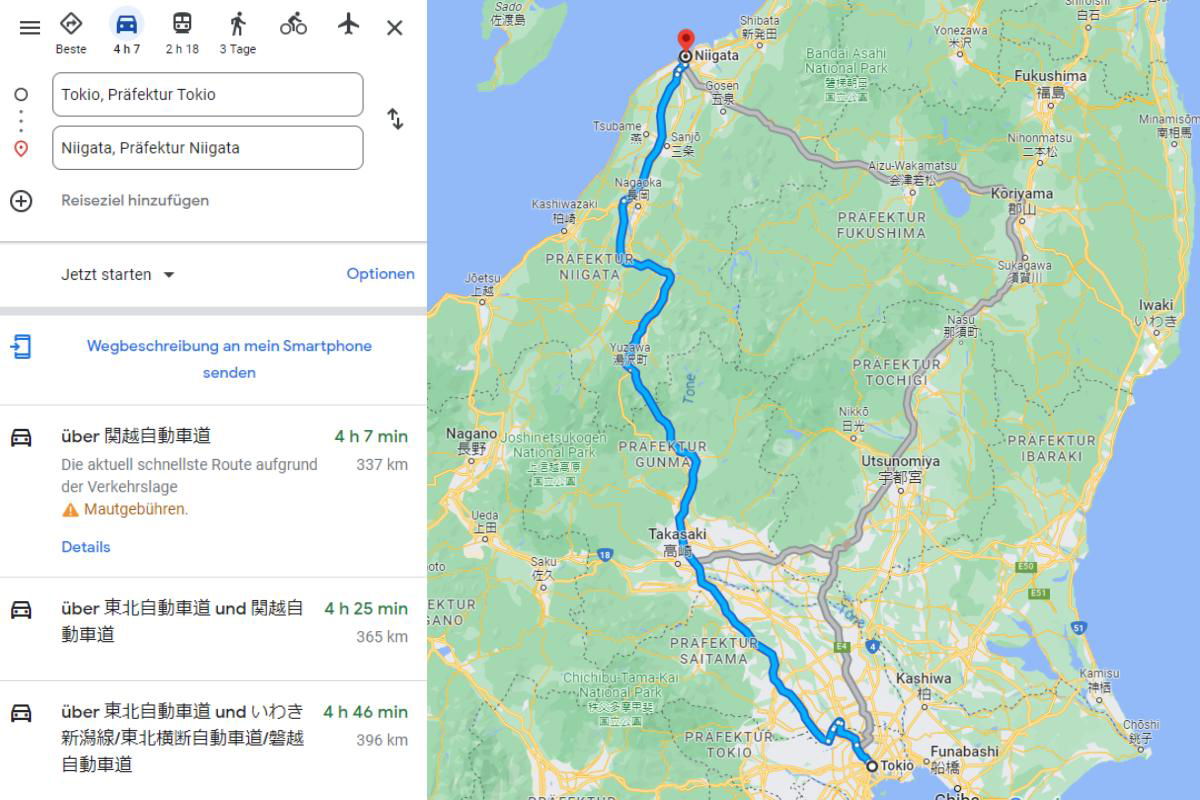
Es gibt verschiedene Möglichkeiten, von Tokio in die Präfektur Niigata zu gelangen. Eine davon ist mit dem Mietwagen. Wir haben diese Option gewählt und für drei Tage ein Auto von „Toyota Rental Car“ gemietet. Die Kosten betrugen etwa 35.500 Yen.
Die Fahrt nach Niigata dauert ungefähr vier Stunden. Während der Fahrt kann man die schöne japanische Landschaft genießen.
Allerdings fallen Mautgebühren an. Am besten informiert man sich vorab über die Kosten – beispielsweise mit Google Maps – und prüft, welche Zahlungsmöglichkeiten es gibt, damit die Reise reibungslos abläuft.
Hier siehst du, wie du mit dem Auto von Tokio nach Niigata kommst.
A Google Maps screenshot in German shows a driving route from Tokyo to Niigata, marked as a thick blue line running north from Tokyo through Saitama and Gunma (passing Takasaki) before turning northwest to Niigata on the Sea of Japan coast, where a red pin marks the destination. The left panel has the two address fields, "Tokio, Präfektur Tokio" and "Niigata, Präfektur Niigata", with travel mode icons along the top showing car selected at 4 h 7, transit at 2 h 18, and walking at 3 days. Below, three route options are listed: the fastest via the Kan-Etsu Expressway at 4 h 7 min and 337 km, flagged as the quickest route under current traffic conditions with a toll warning; a second via the Tohoku and Kan-Etsu expressways at 4 h 25 min and 365 km; and a third at 4 h 46 min and 396 km. The map behind is labeled in German prefecture names such as Präfektur Niigata, Präfektur Fukushima, and Präfektur Gunma, with cities like Fukushima, Koriyama, Utsunomiya, and Nagano visible and a gray alternative route running further east.
A Google Maps screenshot in German shows a driving route from Tokyo to Niigata, marked as a thick blue line running north from Tokyo through Saitama and Gunma (passing Takasaki) before turning northwest to Niigata on the Sea of Japan coast, where a red pin marks the destination.
The left panel has the two address fields, "Tokio, Präfektur Tokio" and "Niigata, Präfektur Niigata", with travel mode icons along the top showing car selected at 4 h 7, transit at 2 h 18, and walking at 3 days. Below, three route options are listed: the fastest via the Kan-Etsu Expressway at 4 h 7 min and 337 km, flagged as the quickest route under current traffic conditions with a toll warning; a second via the Tohoku and Kan-Etsu expressways at 4 h 25 min and 365 km; and a third at 4 h 46 min and 396 km. The map behind is labeled in German prefecture names such as Präfektur Niigata, Präfektur Fukushima, and Präfektur Gunma, with cities like Fukushima, Koriyama, Utsunomiya, and Nagano visible and a gray alternative route running further east.
Sichtbarer Text im Bild
Beste
4 h 7
2 h 18
3 Tage
Tokio, Präfektur Tokio
Niigata, Präfektur Niigata
Reiseziel hinzufügen
Jetzt starten
Optionen
Wegbeschreibung an mein Smartphone senden
über 関越自動車道
4 h 7 min
337 km
Die aktuell schnellste Route aufgrund der Verkehrslage
Mautgebühren.
Details
über 東北自動車道 und 関越自動車道
4 h 25 min
365 km
über 東北自動車道 und いわき新線線/東北横断自動車道/磐越自動車道
4 h 46 min
396 km
佐渡島
Niigata
Shibata 新発田
Bandai Asahi National Park 磐梯朝日国立公園
Yonezawa 米沢
Fukushima 福島
Gosen 五泉
Tsubame 燕
Sanjō 三条
Nagaoka 長岡
Kashiwazaki 柏崎
Joetsu 上越
PRAFEKTUR NIIGATA
PRAFEKTUR FUKUSHIMA
Nihonmatsu 二本松
Minamisōma 南相馬
Aizu-Wakamatsu 会津若松
Kōriyama 郡山
Sukagawa 須賀川
Iwaki いわき
Nasu 那須町
Yuzawa 湯沢
Tone
PRAFEKTUR TOCHIGI
Nikkō 日光
PRAFEKTUR GUNMA
Nagano 長野
Jōshin'etsu-kōgen National Park 上信越高原国立公園
Utsunomiya 宇都宮
PRAFEKTUR IBARAKI
Ueda 上田
Takasaki 高崎
18
Saku 佐久
Chichibu-Tama National Park 秩父多摩甲斐国立公園
PRAFEKTUR TOKIO
PRAFEKTUR SAITAMA
16
4
E50
E51
Kashiwa 柏
Kamisu 神栖
Funabashi 船橋
Tokio
Chōshi 銚子
Mit dem Shinkansen
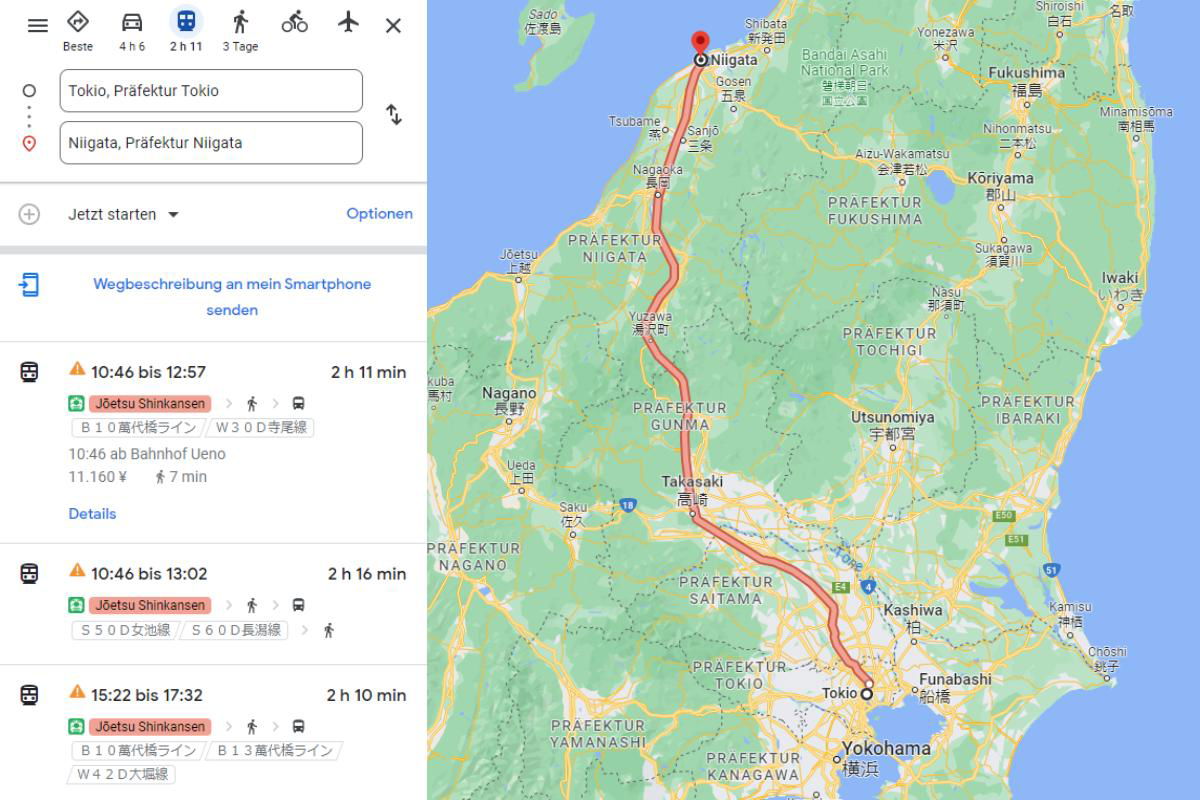
Eine weitere Möglichkeit, in die Präfektur Niigata zu kommen, ist der Zug. Ich empfehle dir, den Shinkansen zu nehmen – ein sehr beliebter Hochgeschwindigkeitszug in Japan. Im Vergleich zum Auto ist die Fahrt mit dem Shinkansen nur halb so lang und dauert etwa zwei Stunden – es gibt eine Direktverbindung von Tokio nach Niigata-Stadt.
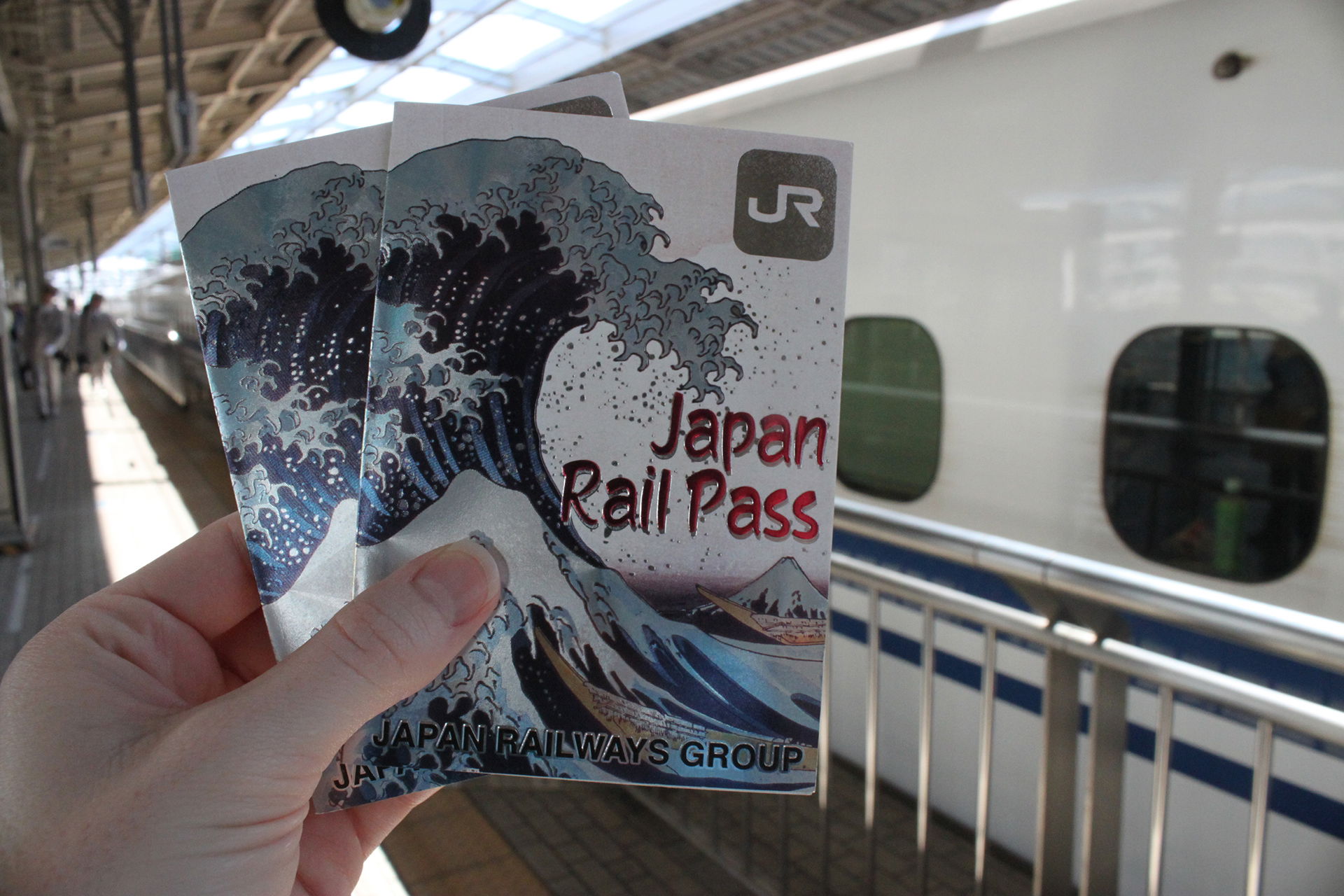
Die Preise für Shinkansen-Tickets können variieren. Wenn du dein Ticket frühzeitig buchst, kannst du eventuell Kosten sparen. Auch auf Google Maps lassen sich Fahrpreise schätzen. Eine weitere Alternative ist der Japan Rail Pass.
Wenn du als Tourist nach Japan reist, erlaubt dir dieser Pass unbegrenzte Fahrten mit allen JR-Zügen – inklusive Shinkansen – und du kannst ordentlich Geld sparen.
Hier siehst du, wie du mit dem Shinkansen von Tokio nach Niigata kommst.
A screenshot of Google Maps with a German interface, showing public transit directions from Tokio, Präfektur Tokio to Niigata, Präfektur Niigata. The left panel holds the two input fields for start and destination, a "Jetzt starten" button, and three train connections, all built around the Jōetsu Shinkansen. The top option runs from 10:46 to 12:57, takes 2 h 11 min, departs from Bahnhof Ueno, and costs 11.160 ¥ with a 7 minute walk included. Below it are two alternatives of 2 h 16 min and 2 h 10 min, each combining the Shinkansen with local bus lines. A link offers to send the directions to a smartphone. The map on the right traces the route as a thick line running north from Tokyo through Saitama and Gunma, passing Takasaki and the Yuzawa area, before reaching Niigata on the coast, where a red pin marks the destination. Neighboring regions such as Präfektur Fukushima, Tochigi, Nagano, and Kanagawa are labeled, with cities like Utsunomiya, Kōriyama, Nagano, and Yokohama filling out the surrounding area.
A screenshot of Google Maps with a German interface, showing public transit directions from Tokio, Präfektur Tokio to Niigata, Präfektur Niigata. The left panel holds the two input fields for start and destination, a "Jetzt starten" button, and three train connections, all built around the Jōetsu Shinkansen. The top option runs from 10:46 to 12:57, takes 2 h 11 min, departs from Bahnhof Ueno, and costs 11.160 ¥ with a 7 minute walk included. Below it are two alternatives of 2 h 16 min and 2 h 10 min, each combining the Shinkansen with local bus lines. A link offers to send the directions to a smartphone.
The map on the right traces the route as a thick line running north from Tokyo through Saitama and Gunma, passing Takasaki and the Yuzawa area, before reaching Niigata on the coast, where a red pin marks the destination. Neighboring regions such as Präfektur Fukushima, Tochigi, Nagano, and Kanagawa are labeled, with cities like Utsunomiya, Kōriyama, Nagano, and Yokohama filling out the surrounding area.
Sichtbarer Text im Bild
Beste 4 h 6 2 h 11 3 Tage
Tokio, Präfektur Tokio
Niigata, Präfektur Niigata
Jetzt starten ▾ Optionen
Wegbeschreibung an mein Smartphone senden
10:46 bis 12:57 — 2 h 11 min
Jōetsu Shinkansen
B 1 0 高代橋ライン W 3 0 D 寺尾線
10:46 ab Bahnhof Ueno
11.160 ¥ 7 min
Details
10:46 bis 13:02 — 2 h 16 min
Jōetsu Shinkansen
S 5 0 D 女池線 S 6 0 D 昆陽線
15:22 bis 17:32 — 2 h 10 min
Jōetsu Shinkansen
B 1 0 高代橋ライン B 1 3 高代橋ライン
W 4 2 D 太郎線
Sado 佐渡市
Shibata 新発田
Niigata 新潟
Bandai Asahi National Park
Yonezawa 米沢
Fukushima 福島
Shiroishi 白石
名取
Tsubame 燕
Sanjō 三条
Minamisōma 南相馬市
Nihonmatsu 二本松
Aizu-Wakamatsu 会津若松
Kōriyama 郡山
PRAFEKTUR FUKUSHIMA
PRAFEKTUR NIIGATA
Nagaoka 長岡
Sukagawa 須賀川
Jōetsu 上越
Iwaki いわき
Nasu 那須町
Yuzawa 湯沢町
PRAFEKTUR TOCHIGI
kuba
Nagano 長野
PRAFEKTUR GUNMA
Utsunomiya 宇都宮
PRAFEKTUR IBARAKI
Ueda 上田
Takasaki 高崎
Saku 佐久
11
E50
E51
PRAFEKTUR NAGANO
PRAFEKTUR SAITAMA
Kashiwa 柏
Kamisu 神栖
51
E51
E6
17
Funabashi 船橋
PRAFEKTUR TOKIO
Tokio
Chōshi 銚子
PRAFEKTUR YAMANASHI
Yokohama 横浜
PRAFEKTUR KANAGAWA
Unsere Glamping-Unterkunft: Tiny House
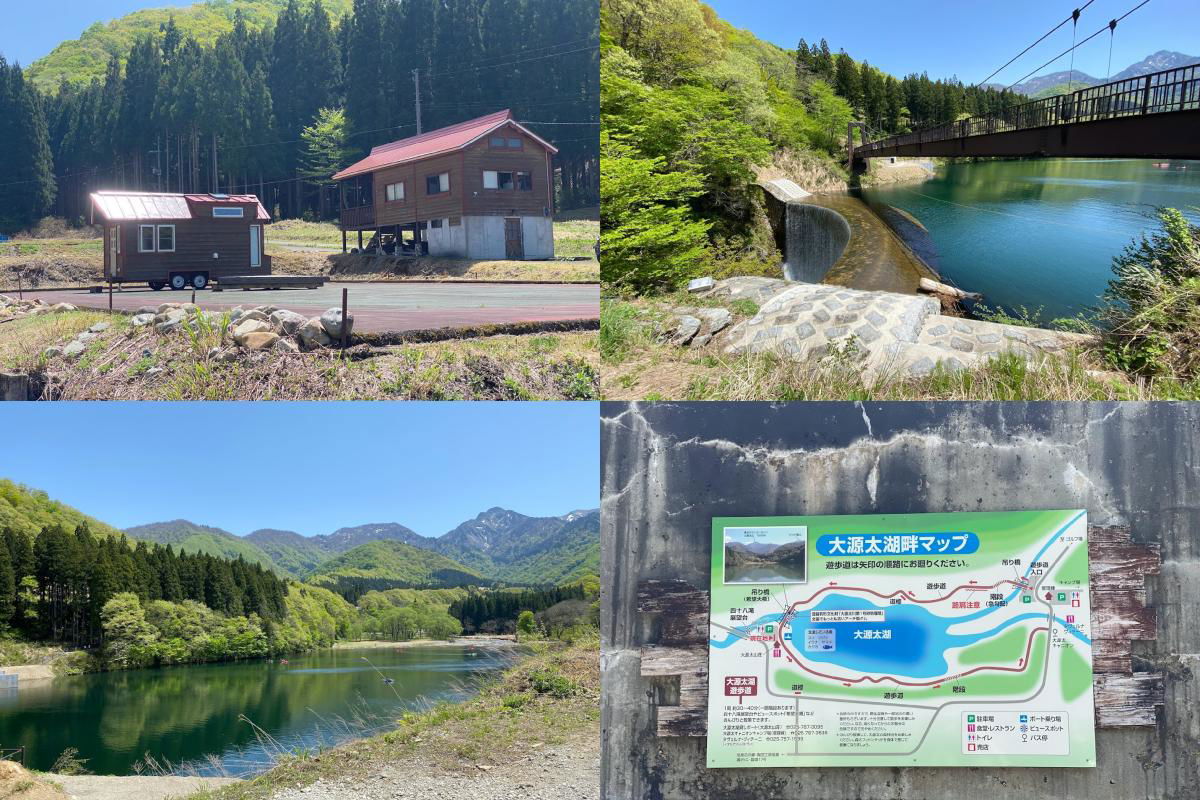
Wir haben eine ganz besondere Unterkunft gewählt: Glamping. Das bedeutet „glamouröses Camping“ – ein Mini-Haus mitten in der Natur, fußläufig von einem kleinen See entfernt. Toilette und Dusche befinden sich in einem Nachbargebäude und nicht im Tiny House selbst.
Die Anreise gestaltet sich etwas schwierig, denn öffentliche Verkehrsmittel sind nur teilweise verfügbar. Ich empfehle daher die Anreise mit dem Auto.
Bei unserer Ankunft war das Tiny House leider noch nicht vorbereitet. Trotz Buchung über die Webseite des Anbieters und Bestätigung schien unsere Reservierung nicht eingegangen zu sein. Das hieß, wir mussten etwa zwei Stunden warten, bis alles fertig war. Trotz der Umstände gab es aber auch Positives: Der Besitzer spricht fließend Englisch, was die Kommunikation sehr einfach machte, und er hat alles gegeben, damit für uns alles schnellstmöglich vorbereitet wird.
Zur Unterkunft gehört ein Barbecue-Set zum Grillen, aber Essen muss man selbst mitbringen. Der nächste Supermarkt ist etwa zwanzig Autominuten entfernt.
Der Check-in ist ab 15 Uhr möglich, und am Abreisetag sollte man das Tiny House spätestens um 11 Uhr verlassen. Der Preis für einen Aufenthalt zu zweit betrug insgesamt 52.500 Yen für zwei Nächte.
Google Maps: https://goo.gl/maps/V6g3yKey4KsMZzYM6
A four-photo collage from a Japanese mountain lake area. Top left, a tiny house on wheels, dark timber with a red metal roof, sits on a paved lot next to a larger wooden cabin raised on posts, with a steep evergreen forest climbing the hillside behind both. Top right, a suspension bridge crosses a bright turquoise-green lake, and in the foreground a small weir spills water over a stone embankment. The bottom left is a wide view of the same calm lake ringed by forested mountains, with a few small boats out on the water under a clear sky. Bottom right, a close-up of an information sign on a concrete wall shows an illustrated lakeside trail map labeled in Japanese, with a red walking route circling the lake and icons for parking and facilities.
A four-photo collage from a Japanese mountain lake area. Top left, a tiny house on wheels, dark timber with a red metal roof, sits on a paved lot next to a larger wooden cabin raised on posts, with a steep evergreen forest climbing the hillside behind both. Top right, a suspension bridge crosses a bright turquoise-green lake, and in the foreground a small weir spills water over a stone embankment. The bottom left is a wide view of the same calm lake ringed by forested mountains, with a few small boats out on the water under a clear sky. Bottom right, a close-up of an information sign on a concrete wall shows an illustrated lakeside trail map labeled in Japanese, with a red walking route circling the lake and icons for parking and facilities.
Sichtbarer Text im Bild
大源太湖畔マップ
遊歩道は矢印の標識に沿って進んでください。
市有駐車場
樹海遊歩道
遊歩道
大源太湖
樹海遊歩道
大源太湖遊歩道
Restaurant Vitraux
Da unser Tiny House bei der Ankunft noch nicht bereit war, haben wir die Gelegenheit genutzt, im Restaurant „Vitraux“ zu essen. Dieses Restaurant befindet sich in der Nähe vom Bahnhof Echigo-Yuzawa (dem Hauptbahnhof von Yuzawa) und bietet westliche Küche mit japanischem Touch.
Google Maps: https://goo.gl/maps/uFpBGxUpbNNjA5pz5
.jpg?width=1200)
A three-photo collage showcasing a restaurant in Niigata. The left panel is a night shot of the storefront: a black signboard reads Vitraux, with "Steak Pizza" underneath, over a rustic wooden entrance lit by warm lamps. Fairy lights wrap a small tree by the door, and a tall poster advertises beer, wine, steak, pizza, and pasta. In front sits a quirky little display piled with stacked firewood and blue-lit ornaments, like a tiny shrine of snacks. The right side shows the food. The top photo is a black rice bowl on a wooden tray, topped with slices of grilled steak scattered with chopped scallions, shredded egg, lettuce, tomato, and sautéed peppers. Below it, a pizza with a puffy, charred crust comes on a thick wooden board, covered in tomato sauce, folded slices of prosciutto, and curls of shaved cheese, with a knife resting beside it.
A three-photo collage showcasing a restaurant in Niigata. The left panel is a night shot of the storefront: a black signboard reads Vitraux, with "Steak Pizza" underneath, over a rustic wooden entrance lit by warm lamps. Fairy lights wrap a small tree by the door, and a tall poster advertises beer, wine, steak, pizza, and pasta. In front sits a quirky little display piled with stacked firewood and blue-lit ornaments, like a tiny shrine of snacks.
The right side shows the food. The top photo is a black rice bowl on a wooden tray, topped with slices of grilled steak scattered with chopped scallions, shredded egg, lettuce, tomato, and sautéed peppers. Below it, a pizza with a puffy, charred crust comes on a thick wooden board, covered in tomato sauce, folded slices of prosciutto, and curls of shaved cheese, with a knife resting beside it.
Sichtbarer Text im Bild
炭火料理
Vitraux
1-192 YUZAWA TOCHIOMACHI MINAMIUONUMA NIIGATA
Beer & Wine
Steak
Pizza
Pasta
À la carte
Mail
Echigo Hillside Park
Der Echigo Hillside Park ist ein großer Park mit wunderschönen Gärten und Spazierwegen. Er ist täglich geöffnet und der Eintritt kostet normalerweise 450 Yen. Wir hatten aber das Glück, an einem Tag mit freiem Eintritt dort zu sein! Besonders im Frühling – im Mai, wenn der Park voller Blumen wie Tulpen ist – ist der Park einen Besuch wert.
Insgesamt ist der Echigo Hillside Park ein toller Park für Familien oder Paare. Mit den riesigen Grünflächen und den familienfreundlichen Aktivitäten ist es ein schöner Ort für einen Tagesausflug oder um einfach mal ein paar Stunden zu entspannen und die Natur zu genießen.
Offizielle Webseite: https://echigo-park.jp/
.jpg?width=1200)
A six-photo collage of spring flowers at Echigo Hillside National Government Park in Niigata, Japan, all shot under clear blue skies. The center photo anchors the set: a cream-colored Dutch-style windmill with dark lattice blades standing behind beds of tulips and bright mixed flowers, with a cutout of a cow at the base. Around it, close-ups fill out the season. White snowball viburnum clusters glow against the sky in the top left. The top right shows long rows of red, white, and deep crimson tulips stretching toward wooded hills, with a few visitors walking among them. The bottom row has a close view of pink tulips with yellow pansies below, a dense flower bed of purple snapdragons, red and yellow pansies, and white daisies decorated with small painted animal figures, and finally a cluster of ruffled double tulips in hot pink edged with white.
A six-photo collage of spring flowers at Echigo Hillside National Government Park in Niigata, Japan, all shot under clear blue skies.
The center photo anchors the set: a cream-colored Dutch-style windmill with dark lattice blades standing behind beds of tulips and bright mixed flowers, with a cutout of a cow at the base. Around it, close-ups fill out the season. White snowball viburnum clusters glow against the sky in the top left. The top right shows long rows of red, white, and deep crimson tulips stretching toward wooded hills, with a few visitors walking among them. The bottom row has a close view of pink tulips with yellow pansies below, a dense flower bed of purple snapdragons, red and yellow pansies, and white daisies decorated with small painted animal figures, and finally a cluster of ruffled double tulips in hot pink edged with white.
Sichtbarer Text im Bild
No clearly readable text found in the image.
Teradomari Street Market (Sakana no Ameyoko)
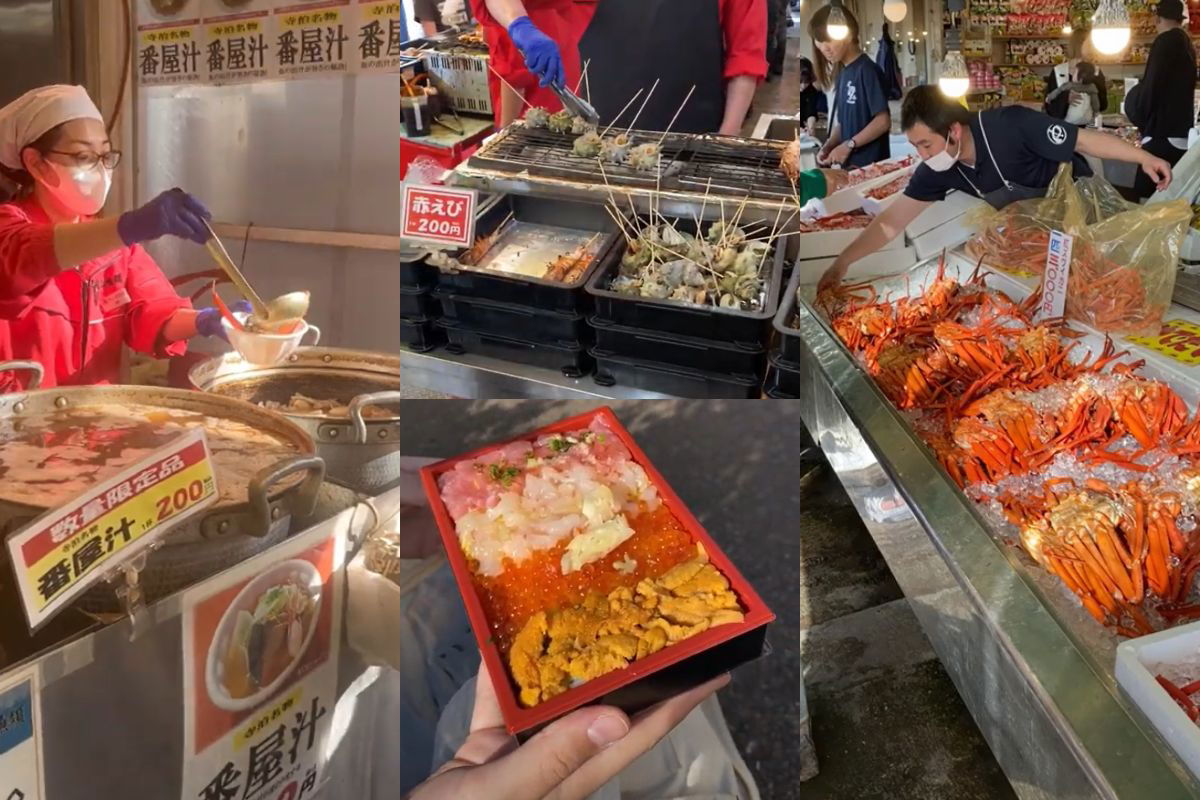
Der Teradomari Fischmarkt ist ein wichtiger Bestandteil der lokalen Kultur von Niigata und ein beliebtes Ziel für Besucher. Hier gibt es eine große Auswahl an frischem Fisch, der direkt vor Ort verkauft wird. Es heißt, dass der Fisch aus dem nahegelegenen Japanischen Meer frischer schmeckt als der aus dem Pazifik – und ich kann bestätigen, dass mir das Essen hier besonders gut geschmeckt hat!
Die zahlreichen Essensstände bieten viele Gerichte mit frischem Fisch – gegrillter Fisch wird vor deinen Augen zubereitet, Fischsuppe wird serviert und auch Krabben findest du hier. Wir haben uns für Donburi entschieden: eine Schale Reis mit zwei Sorten Fisch, Uni (Seeigel) und Fischrogen. Der Markt liegt direkt am Wasser, sodass du ein wunderschönes Meerespanorama genießen kannst.
Die Anreise mit öffentlichen Verkehrsmitteln ist eher schwierig. Deshalb empfehle ich die Anreise mit dem Auto. Der Fischmarkt ist täglich geöffnet – Feiertage können die Öffnungszeiten beeinflussen.
Google Maps: https://goo.gl/maps/r2ezbh1RSa1Zxdji7
A four-photo collage from a fish market in Niigata, Japan, showing vendors and seafood on sale. On the left, a woman in a red uniform, white head covering, and purple gloves ladles soup from a big metal pot into a paper cup. Signs around her stall read 番屋汁, a local fisherman's soup, priced at 200 yen. In the middle, a vendor in a red jacket grills shellfish and shrimp on skewers over a charcoal grill, with trays of raw scallops stacked below and a small red tag advertising red shrimp for 200 yen. Beneath that, a hand holds a red lacquered tray of kaisendon, a seafood rice bowl loaded with raw fish, bright orange salmon roe, and golden sea urchin. The right side shows a crab stall where a worker in a navy shirt and white face mask reaches over a bed of crushed ice piled with vivid orange crab legs, a yellow price sign standing among them.
A four-photo collage from a fish market in Niigata, Japan, showing vendors and seafood on sale. On the left, a woman in a red uniform, white head covering, and purple gloves ladles soup from a big metal pot into a paper cup. Signs around her stall read 番屋汁, a local fisherman's soup, priced at 200 yen. In the middle, a vendor in a red jacket grills shellfish and shrimp on skewers over a charcoal grill, with trays of raw scallops stacked below and a small red tag advertising red shrimp for 200 yen. Beneath that, a hand holds a red lacquered tray of kaisendon, a seafood rice bowl loaded with raw fish, bright orange salmon roe, and golden sea urchin. The right side shows a crab stall where a worker in a navy shirt and white face mask reaches over a bed of crushed ice piled with vivid orange crab legs, a yellow price sign standing among them.
Sichtbarer Text im Bild
番屋汁 番屋汁 番屋汁
番屋汁 1杯 200 ¥
番屋汁
赤えび ¥200円
Kakuda Misaki Leuchtturm
Der Kakuda Misaki Leuchtturm steht an einem malerischen Aussichtspunkt direkt am Meer. Die idyllische Landschaft erinnert ein wenig an Irland – mit sanften grünen Hügeln und umgeben von schroffen Klippen genießt du einen wundervollen Blick auf das Wasser. Ich empfehle, zum Sonnenuntergang hierher zu kommen – der perfekte Abschluss für deinen Tag.
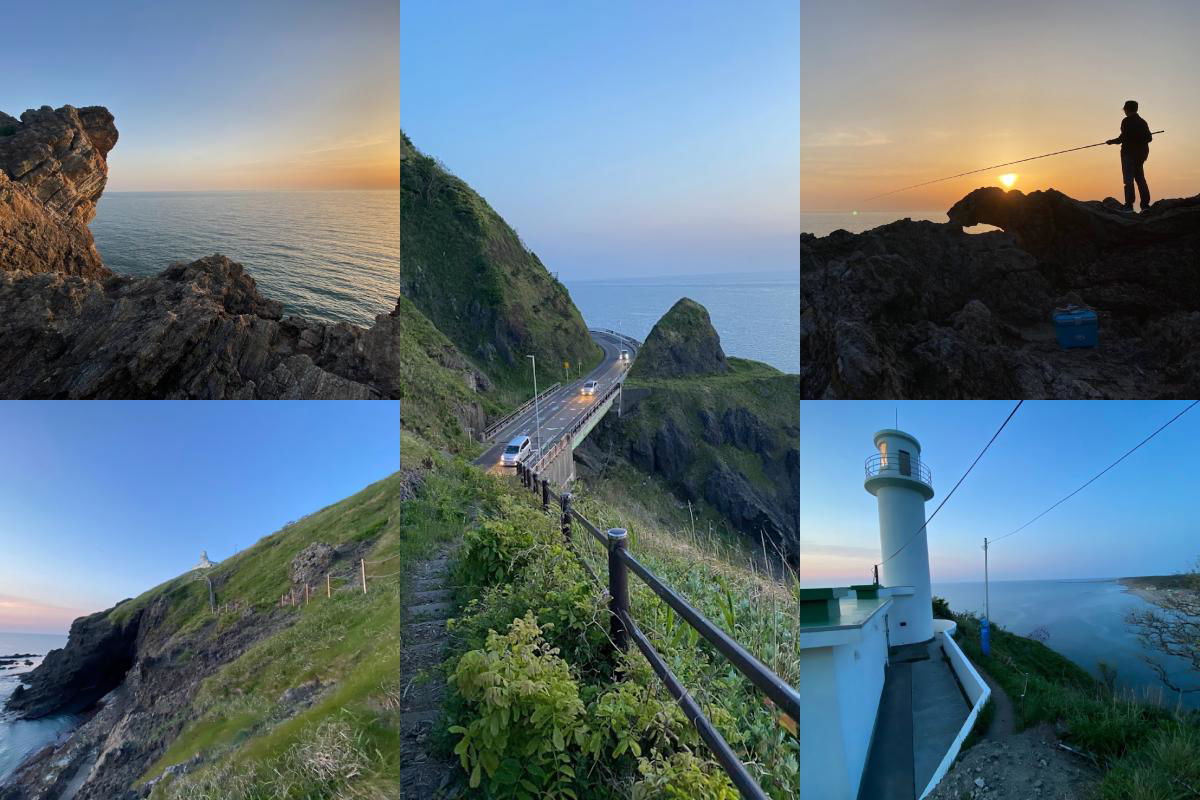
A collage of five coastal photos taken on the Sea of Japan shore in Niigata Prefecture, Japan, all shot around sunrise or sunset. The top left photo shows dark, jagged rock formations framing a calm sea under a soft orange sky. In the top right, a person stands silhouetted on rocks at sunset, holding a fishing rod out over the water with the sun low on the horizon and a blue bucket nearby. The tall center photo looks down a winding coastal road where a bridge carries cars with headlights on between steep green slopes and the ocean beyond. In the bottom left, a grassy headland glows in early morning light with a small white lighthouse perched on its crest. The bottom right photo shows that white lighthouse up close at dusk, standing on a cliff above the sea with its lantern room against a deep blue sky.
A collage of five coastal photos taken on the Sea of Japan shore in Niigata Prefecture, Japan, all shot around sunrise or sunset.
The top left photo shows dark, jagged rock formations framing a calm sea under a soft orange sky. In the top right, a person stands silhouetted on rocks at sunset, holding a fishing rod out over the water with the sun low on the horizon and a blue bucket nearby. The tall center photo looks down a winding coastal road where a bridge carries cars with headlights on between steep green slopes and the ocean beyond. In the bottom left, a grassy headland glows in early morning light with a small white lighthouse perched on its crest. The bottom right photo shows that white lighthouse up close at dusk, standing on a cliff above the sea with its lantern room against a deep blue sky.
Sichtbarer Text im Bild
No clearly readable text found in the image.
Yuzawa Kogen Ski Resort
Die Präfektur Niigata ist ein beliebtes Skigebiet und zieht im Winter viele Besucher an. Es gibt zahlreiche Pisten und Abfahrten sowohl für Ski- als auch Snowboardfahrer.
Besonders beliebt ist auch das Yuzawa Kogen Ski Resort – für 1.400 Yen wirst du bequem mit der Seilbahn nach oben gebracht. Oben findest du außerdem ein Restaurant für eine Stärkung. Auch im Sommer ist das Resort ein wunderschöner Ort zum Wandern.
Selbst im Sommer bietet das Skigebiet diverse saisonale Familienaktivitäten wie Sommerrodelbahn, bei der du mit einer Art Bob den Berg hinabsaust – ein Riesenspaß nicht nur für Kinder, sondern auch für Erwachsene. Was mich überrascht hat: Sogar im Mai gibt es dort noch einen Spielbereich mit Schnee!
Offizielle Webseite: https://www.yuzawakogen.com/
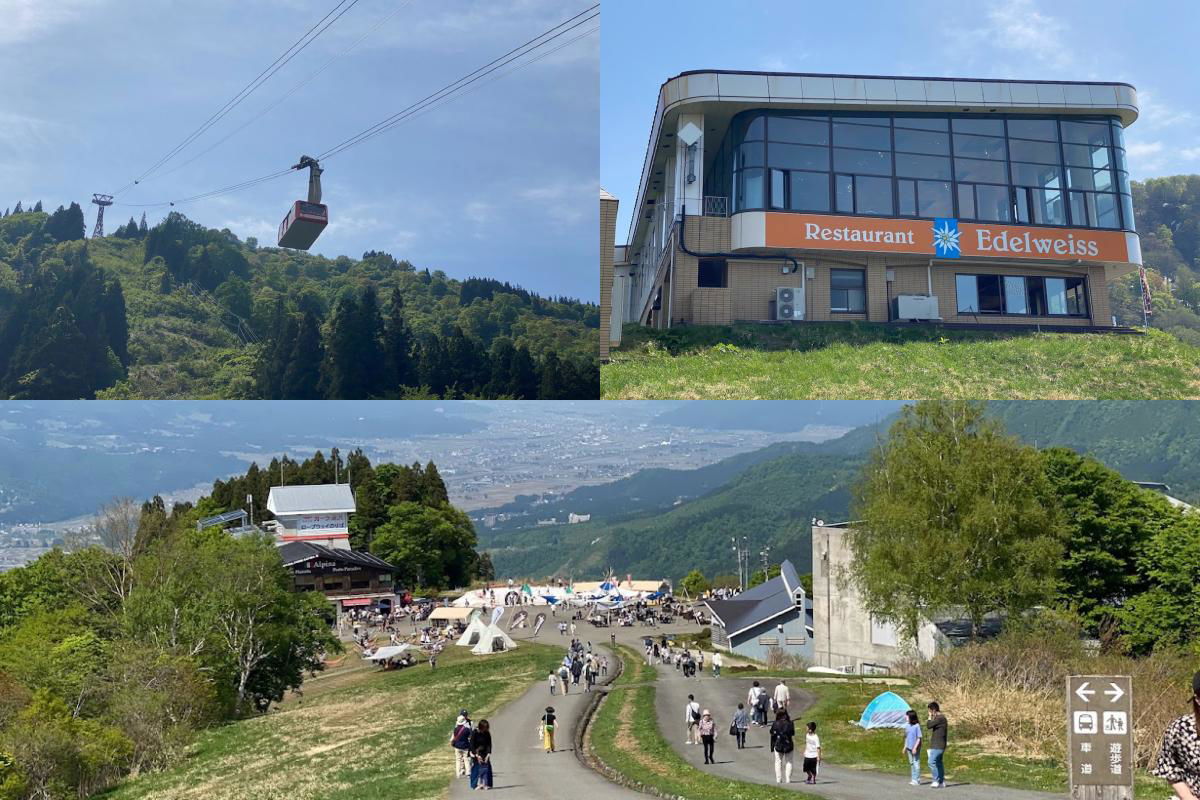
This is a three-photo collage from Yuzawa Ski Resort in Niigata, taken in the green season when the slopes are grassy rather than snowy. The top left shot shows a red-and-white ropeway cabin gliding over a dense forested hillside, its cables stretching up toward a support tower under a partly cloudy sky. The top right photo shows the resort's mountaintop restaurant building, a beige structure with a wall of curved windows and an orange banner reading "Restaurant Edelweiss" across the front, set on a bright green slope. The larger bottom photo looks down from the summit area over the resort grounds. Paved paths curve through the grass, crowded with visitors walking between lodges, small tents, and white canvas glamping tents pitched on the slope. Beyond the resort, the view opens onto a broad valley where a town spreads across the flatland, ringed by hazy green mountains.
This is a three-photo collage from Yuzawa Ski Resort in Niigata, taken in the green season when the slopes are grassy rather than snowy. The top left shot shows a red-and-white ropeway cabin gliding over a dense forested hillside, its cables stretching up toward a support tower under a partly cloudy sky. The top right photo shows the resort's mountaintop restaurant building, a beige structure with a wall of curved windows and an orange banner reading "Restaurant Edelweiss" across the front, set on a bright green slope.
The larger bottom photo looks down from the summit area over the resort grounds. Paved paths curve through the grass, crowded with visitors walking between lodges, small tents, and white canvas glamping tents pitched on the slope. Beyond the resort, the view opens onto a broad valley where a town spreads across the flatland, ringed by hazy green mountains.
Sichtbarer Text im Bild
Restaurant Edelweiss
Alpia
車道
遊歩道
Angeln in Niigata
Angeln ist ein sehr beliebtes Hobby in Japan. Die Region Niigata bietet beste Voraussetzungen dafür – auch wir haben unser Glück versucht. Dank der vielen kostenlosen Parkplätze entlang der Küste findest du hier schnell den perfekten Angelplatz.
Uns gelang es, kleine Makrelen zu fangen, die wir später in unserer Unterkunft mit dem dazugehörigen Grillset zubereitet haben.
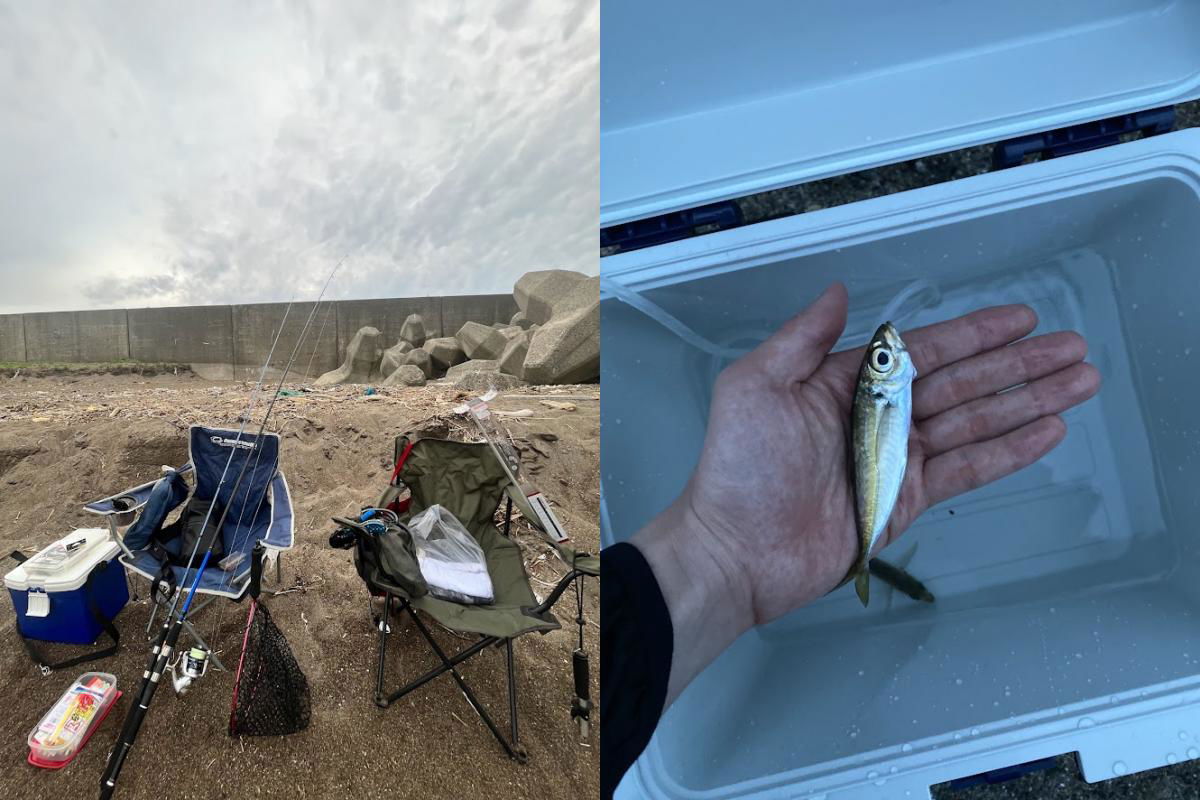
A two part photo from a fishing trip on the coast of Niigata, Japan. On the left, a fishing camp sits on sandy ground in front of a low concrete seawall and a pile of wave break blocks under a heavy overcast sky. Two folding chairs, one blue and one olive green, hold bags and gear, with fishing rods propped between them. A blue cooler, a red tackle box with lures, and a black landing net rest on the sand. On the right, the catch: an open hand holds a small silvery fish with a big eye and a forked dark tail, held over a white cooler box with a shallow pool of water at the bottom.
A two part photo from a fishing trip on the coast of Niigata, Japan. On the left, a fishing camp sits on sandy ground in front of a low concrete seawall and a pile of wave break blocks under a heavy overcast sky. Two folding chairs, one blue and one olive green, hold bags and gear, with fishing rods propped between them. A blue cooler, a red tackle box with lures, and a black landing net rest on the sand.
On the right, the catch: an open hand holds a small silvery fish with a big eye and a forked dark tail, held over a white cooler box with a shallow pool of water at the bottom.
Sichtbarer Text im Bild
No clearly readable text is present in the image.
Kiyotsu-Schlucht-Tunnel
Die Kiyotsu-Schlucht ist zweifellos eine der schönsten Landschaften in Niigata. Die Schlucht ist von üppigen grünen Wäldern umgeben – mit einem Fluss, der sich hindurchschlängelt und ein atemberaubendes Panorama schafft.
Der Kiyotsu-Schlucht-Tunnel befindet sich mitten in dieser Schlucht und ist ein beliebter Spot bei Einheimischen und Touristen. Von hier aus kannst du die faszinierende Landschaft der Schlucht in ihrer ganzen Pracht bestaunen. Außerdem gibt es regelmäßig Kunstausstellungen. Was wir leider nicht wussten: Für den Tunnel benötigst du ein Ticket! Das Ticket kostet 1.000 Yen und muss vorab online gekauft werden. Aber – ein entspannendes Fußbad ist inklusive!
Ich empfehle, mit dem Auto anzureisen, da es kaum öffentliche Verkehrsanbindung gibt.
Offizielle Webseite (auch auf Englisch umstellbar): https://nakasato-kiyotsu.com/
Öffnungszeiten: täglich 9:00 Uhr – 16:00 Uhr
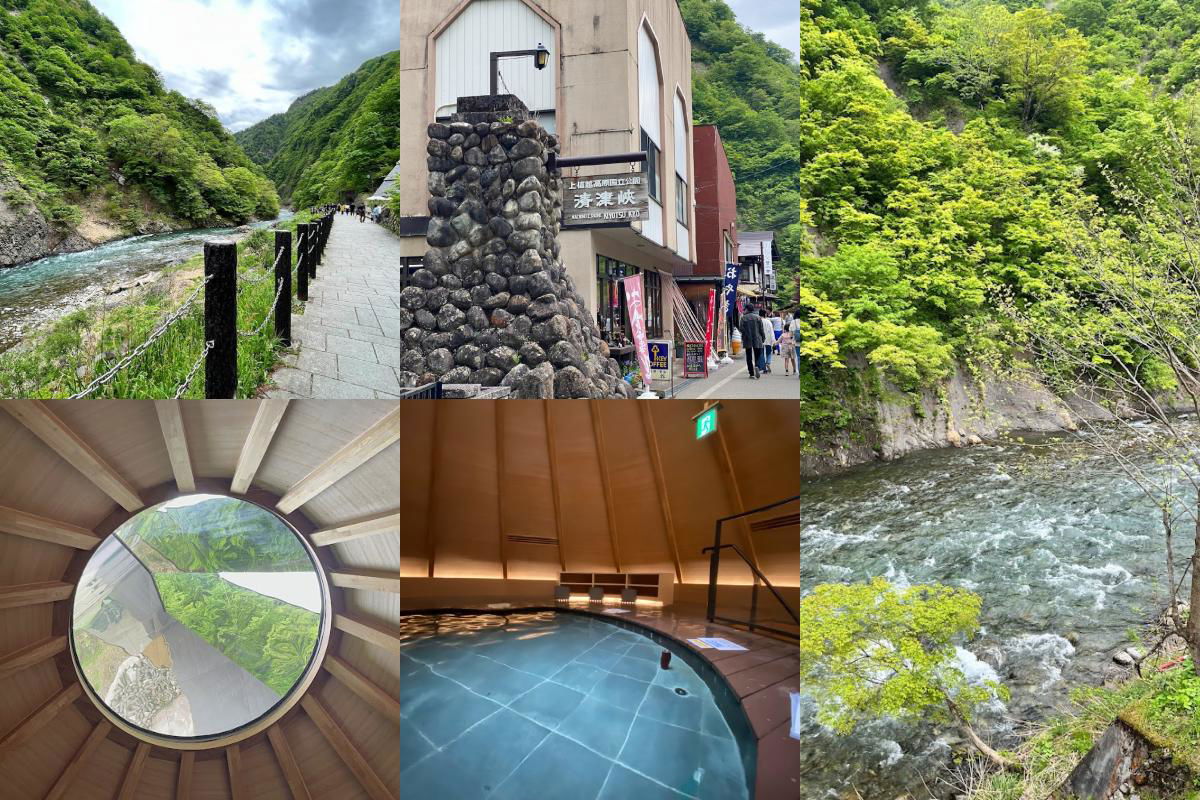
A five-photo collage from Kiyotsu Gorge in Niigata, Japan. Three panels show the gorge itself: a green-tinted river rushing between steep mountains thick with spring foliage, a paved riverside walkway where visitors stroll behind posts and chain railings, and a close view of the rapids breaking white over rocks below sunlit trees. The other two photos cover the attractions at the site. One shows the tunnel lookout, a round opening framed in pale wooden slats that looks straight out over the gorge and river far below. The other shows a circular indoor bath with milky blue water under a curved, warmly lit wooden ceiling, a small red bucket floating on the surface. A fifth panel captures the station building at the trail entrance, marked by a tall rough-stone chimney and a wooden sign reading 清津峡, Kiyotsu Gorge, with red noren curtains, small shop stalls, and a few visitors on the street outside.
A five-photo collage from Kiyotsu Gorge in Niigata, Japan. Three panels show the gorge itself: a green-tinted river rushing between steep mountains thick with spring foliage, a paved riverside walkway where visitors stroll behind posts and chain railings, and a close view of the rapids breaking white over rocks below sunlit trees.
The other two photos cover the attractions at the site. One shows the tunnel lookout, a round opening framed in pale wooden slats that looks straight out over the gorge and river far below. The other shows a circular indoor bath with milky blue water under a curved, warmly lit wooden ceiling, a small red bucket floating on the surface. A fifth panel captures the station building at the trail entrance, marked by a tall rough-stone chimney and a wooden sign reading 清津峡, Kiyotsu Gorge, with red noren curtains, small shop stalls, and a few visitors on the street outside.
Sichtbarer Text im Bild
上信越高原国立公園
湯畑展望台
YUBATAKE OBSERVATO
Die Regionale Spezialität: Hegi Soba
Als großer Foodie musste ich natürlich die regionale Spezialität probieren. Sie heißt „Hegi Soba“ und ist ein köstliches Soba-Nudelgericht, belegt mit Nori (getrocknetem Seetang). Die mundgerechten Nudeln werden auf einem Tablett, dem sogenannten „Hegi“, serviert und sind kalt – das macht sie schön erfrischend.
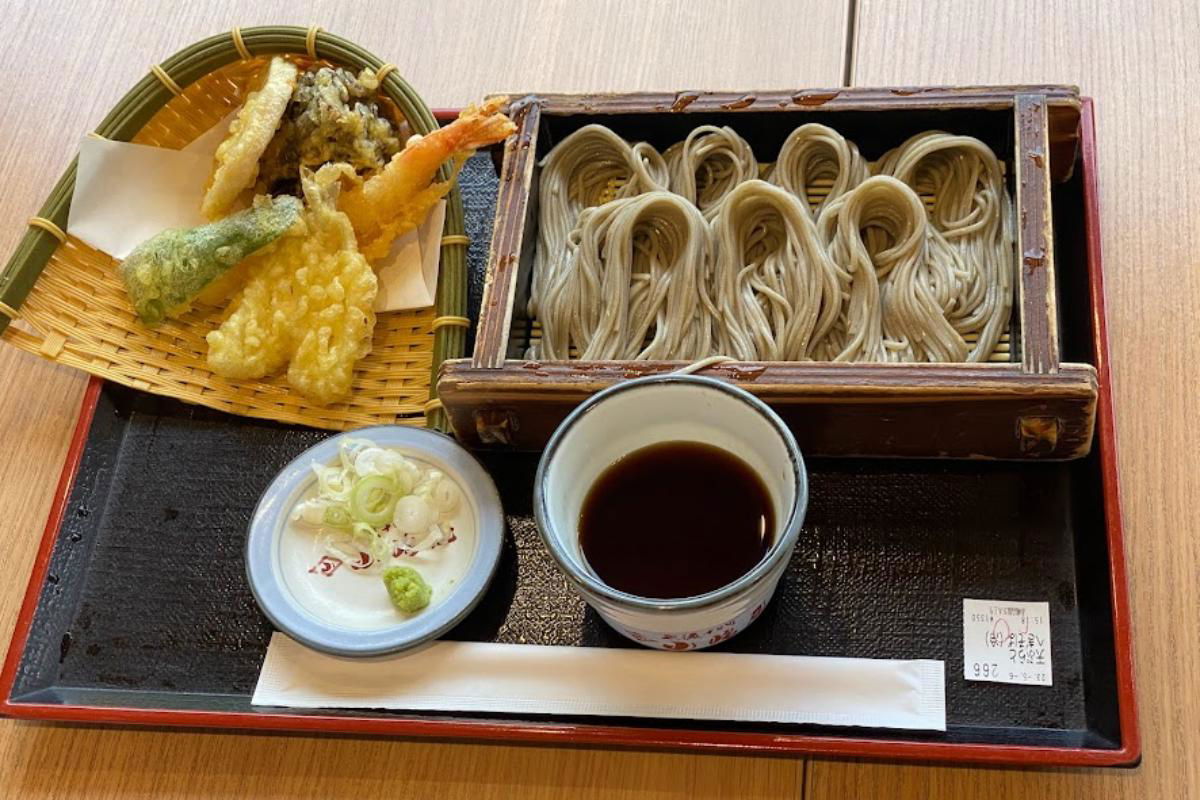
A cold soba set served on a black lacquered tray with red trim, photographed from above on a light wooden restaurant table. The gray-brown noodles sit in neat loops inside a rectangular wooden box lined with bamboo, the signature presentation for hegi soba, a Niigata specialty. Next to the box, a woven bamboo basket holds golden tempura, including a whole shrimp and pieces of battered vegetable. A small white dish holds sliced scallions, wasabi, and a mound of grated condiment for mixing into the dipping sauce, which comes in a ceramic cup of dark soy-based broth set in front of the noodles. A pair of chopsticks in a paper sleeve lies across the bottom edge of the tray.
A cold soba set served on a black lacquered tray with red trim, photographed from above on a light wooden restaurant table. The gray-brown noodles sit in neat loops inside a rectangular wooden box lined with bamboo, the signature presentation for hegi soba, a Niigata specialty. Next to the box, a woven bamboo basket holds golden tempura, including a whole shrimp and pieces of battered vegetable. A small white dish holds sliced scallions, wasabi, and a mound of grated condiment for mixing into the dipping sauce, which comes in a ceramic cup of dark soy-based broth set in front of the noodles. A pair of chopsticks in a paper sleeve lies across the bottom edge of the tray.
Sichtbarer Text im Bild
天せいろ
999
21-3-5
Fazit zur Niigata-Reise
Die Präfektur Niigata ist ein außergewöhnliches Reiseziel mit spektakulärer Natur, das zu jeder Jahreszeit seinen Reiz hat. Von schönen Gärten und Spazierwegen über Schluchten bis zu einem malerischen Aussichtspunkt am Meer – Niigata bietet jede Menge Sehenswürdigkeiten. Ob im Frühling mit der Blütenpracht, zum Wandern in den Sommerbergen, beim farbenfrohen Herbstlaub oder als beliebtes Skigebiet im Winter – in Niigata ist für jeden etwas dabei.
Wenn du eine Reise nach Niigata planst, solltest du einplanen, dass die öffentliche Verkehrsanbindung auf dem Land recht eingeschränkt ist. Daher empfehle ich, mit dem Auto zu fahren, um flexibel zu bleiben.
Entdecke Niigata am Nachmittag – du erfährst mehr über die Geschichte, isst richtig gutes Sushi und probierst leckeren Sake mit einem lokalen Guide.
*Affiliate-Link: Wenn du über mein Widget oder meinen Link ein Erlebnis bei viator.com buchst, erhalte ich eine kleine Provision. Für dich entstehen dadurch keine zusätzlichen Kosten und du unterstützt meinen Blog. Vielen Dank und viel Spaß auf deiner Reise (^_^)


Kommentare